

Species go extinct twice – one time when the last individual stops breathing, and a second time when the collective memory about the species disappears.
[adapted from a quote attributed to both Banksy and Irvin Yalom]
New research involving researchers from the University of Oxford’s Department of Zoology, published today (February 15, 2022) in the journal Trends in Ecology & Evolution, explores the phenomenon of societal extinction.
Understanding Societal Extinction
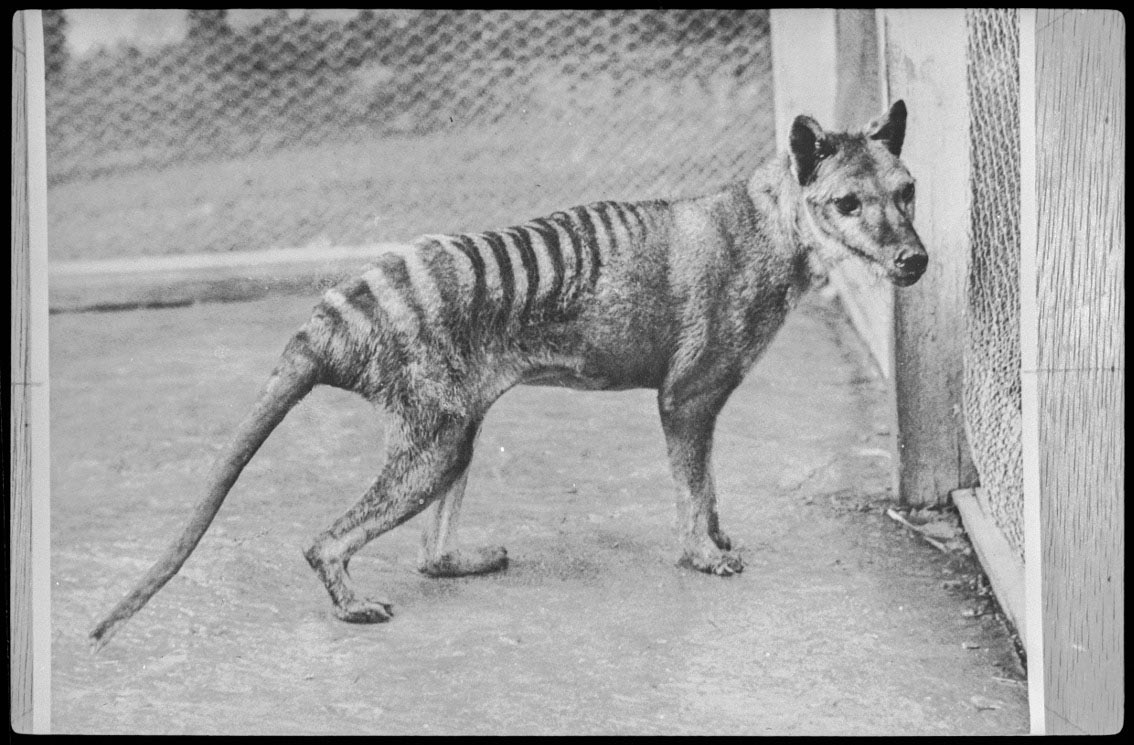
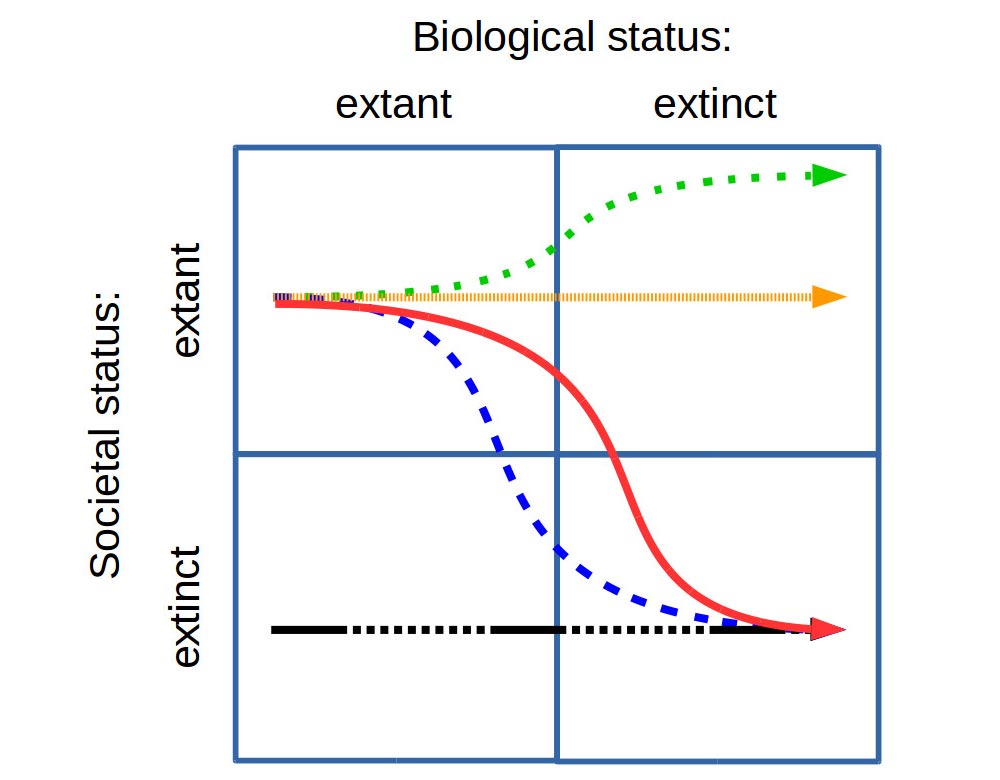
Societal extinction is the disappearance of a species from our collective psyche. Species may vanish from our societies, cultures, and discourses at the same time, or even before, they become biologically extinct as a result of human actions.
An international and interdisciplinary group of scientists found that whether a species will become societally extinct depends on many factors. These can include its charisma, its symbolic or cultural values, whether and how long ago it went extinct, and how distant and isolated its range is from humans.
Dr. Diogo Verissimo, Research Fellow, Department of Zoology at the University of Oxford and co-author of the study said:
“Societal extinction occurs not only in extinct species, but also in those species still living among us, often due to social or cultural changes, for example, the urbanization or digitization of society, which can radically change our relationship with nature, and lead to the collective loss of memory.”
Consequences of Societal Extinction
One example given by the researchers is the displacement of traditional herbal remedies in Europe by modern medicine. This is thought to have harmed general knowledge of several medicinal plants, leading to their societal extinction.
As more and more species are becoming threatened or extinct, they also become isolated from people. This leads to the extinction of experience – the progressive loss of our daily interactions with nature. As time passes such species may fully fade from people’s memory.
For example, studies conducted among communities in southwestern China and Indigenous people in Bolivia have shown loss of local knowledge and memory of extinct bird species.
Memory and Awareness in Species Conservation
The opposite, however, can also occur. “Species can also remain collectively known after they become extinct, or even become more popular,” explained Dr. Uri Roll, co-author, and researcher at the Ben-Gurion University of the Negev.
“However, our awareness and memory of such species gradually becomes transformed, and often becomes inaccurate, stylized, or simplified, and disassociated from the actual species.”
For example, after the Spix’s macaw became extinct in the wild, children from local communities within its former range incorrectly believed that this species resides in Rio de Janeiro, because of its appearance in the animated movie Rio.
“It is important to note that the majority of species actually cannot become societally extinct, simply because they never had a societal presence to begin with,” said Dr. Ivan Jaric, lead author of the study and researcher at the Biology Centre of the Czech Academy of Sciences.
“This is common in uncharismatic, small, cryptic, or inaccessible species, especially among invertebrates, plants, fungi, and microorganisms – many of which are not yet formally described by scientists or known by humankind. Their declines and extinctions remain silent and unseen by the people and societies,” Dr. Jaric continued.
Dr. Josh Firth, co-author of the study and Research Fellow at Oxford’s Department of Zoology said:
“Societal extinctions can affect conservation efforts aimed at protecting biodiversity because it can diminish our expectations of the environment and our perceptions of its natural state, such as what is the standard or relatively healthy.”
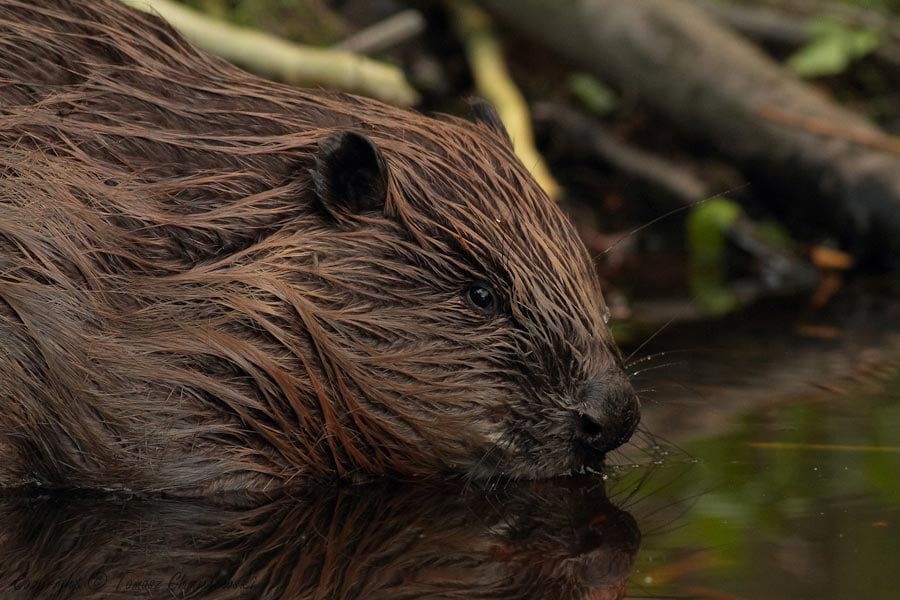
Further research will now be conducted to determine how societal extinctions can create false perceptions of the severity of threats to biodiversity and true extinction rates, as well as diminish public support for conservation and restoration efforts such as Eurasian beaver reintroductions to the UK.
“Societal extinction can reduce our will to pursue ambitious conservation goals. For example, it could reduce public support for rewilding efforts, especially if such species are no longer present in our memory as natural parts of the ecosystem,” added Dr. Jaric.
Reference: “Societal extinction of species” by Ivan Jarić, Uri Roll, Marino Bonaiuto, Barry W. Brook, Franck Courchamp, Josh A. Firth, Kevin J. Gaston, Tina Heger, Jonathan M. Jeschke, Richard J. Ladle, Yves Meinard, David L. Roberts, Kate Sherren, Masashi Soga, Andrea Soriano-Redondo, Diogo Veríssimo and Ricardo A. Correia, 15 February 2022, Trends in Ecology & Evolution.
DOI: 10.1016/j.tree.2021.12.011
Never miss a breakthrough: Join the SciTechDaily newsletter.
Follow us on Google and Google News.
1 Comment
“Societal Extinction” is the path humans are on, with our society going extinct, before 2100.
No one wants to sacrifice their children, but, no one will sacrifice to save them either