
For the first time in more than four years, NASA began accepting applications Monday for future astronauts. Aspiring Moon to Mars explorers have until 11:59 p.m. EDT Tuesday, March 31, to apply.
The call for more astronauts comes at a time when the agency is preparing to send the first woman and next man to the Moon with the Artemis program. Exploring the Moon during this decade will help prepare humanity for its next giant leap – sending astronauts to Mars.
U.S. citizens may submit applications to #BeAnAstronaut here.
“America is closer than any other time in history since the Apollo program to returning astronauts to the Moon. We will send the first woman and next man to the lunar South Pole by 2024, and we need more astronauts to follow suit on the Moon, and then Mars,” said NASA Administrator Jim Bridenstine. “We’re looking for talented men and women from diverse backgrounds and every walk of life to join us in this new era of human exploration that begins with the Artemis program to the Moon. If you have always dreamed of being an astronaut, apply now.”
“Becoming an astronaut is no easy task, because being an astronaut is no easy task.” Steve Koerner, NASA’s director of flight operations and chair of the Astronaut Selection Board at NASA’s Johnson Space Center in Houston
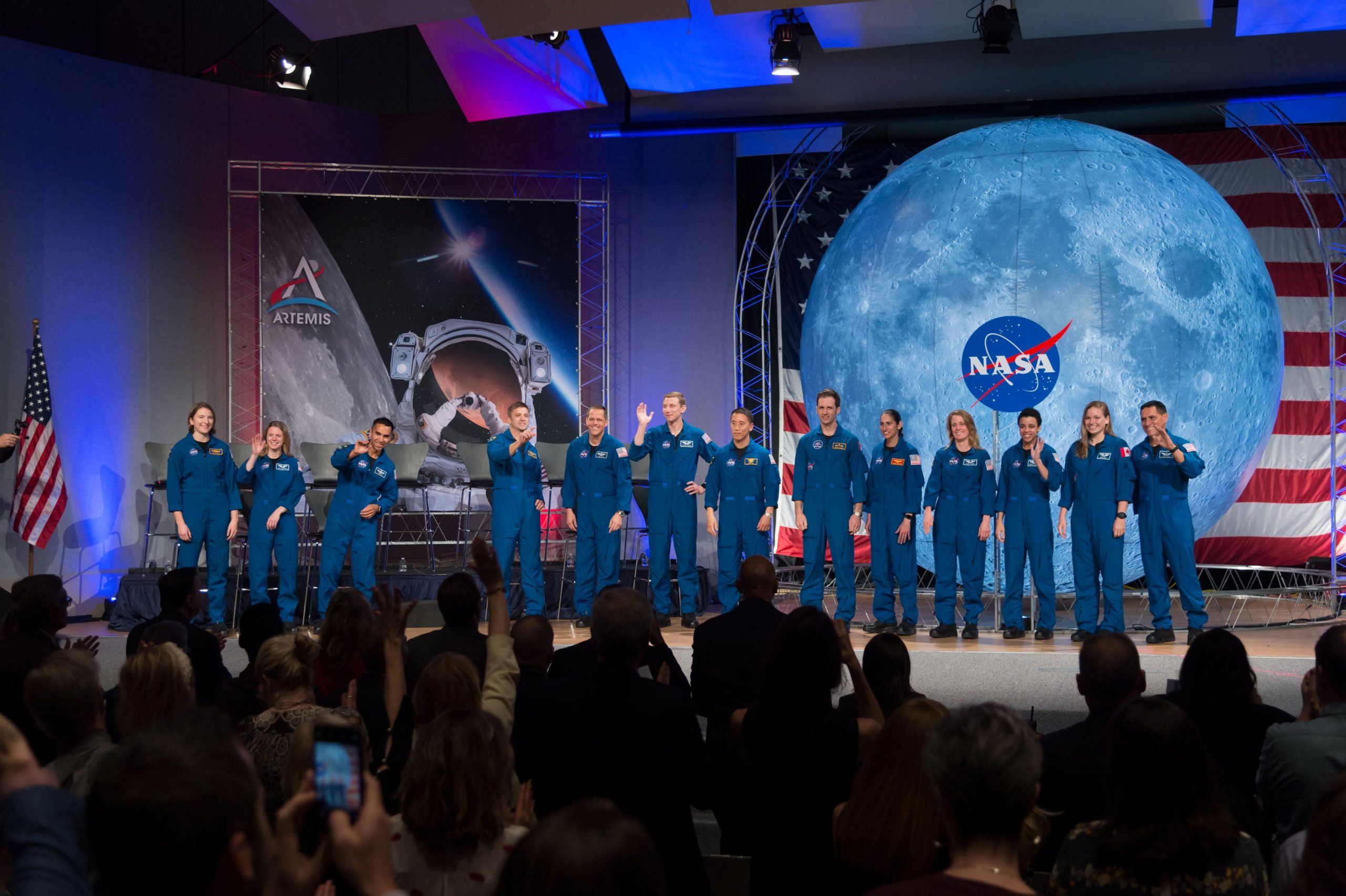
NASA expects to select final astronaut candidates in mid-2021 to begin training as the next class of Artemis Generation astronauts. When the agency last sought astronaut candidates, in late 2015, a record-breaking 18,300 people applied. After more than two years of intensive training, 11 new astronauts selected from that pool graduated earlier this year in the first public graduation ceremony the agency has hosted.
“Becoming an astronaut is no easy task, because being an astronaut is no easy task,” said Steve Koerner, NASA’s director of flight operations and chair of the Astronaut Selection Board at NASA’s Johnson Space Center in Houston. “Those who apply will likely be competing against thousands who have dreamed of and worked toward going to space for as long as they can remember. But somewhere among those applicants are our next astronauts, and we look forward to meeting you.”
Since the 1960s, NASA has selected 350 people to train as astronaut candidates for its increasingly challenging missions to explore space. With 48 astronauts in the active astronaut corps, more will be needed to serve as crew aboard spacecraft bound for multiple destinations and propel exploration forward as part of Artemis missions and beyond.
The basic requirements to apply include United States citizenship and a master’s degree in a STEM field, including engineering, biological science, physical science, computer science, or mathematics, from an accredited institution. The requirement for the master’s degree can also be met by:
- Two years (36 semester hours or 54 quarter hours) of work toward a Ph.D. program in a related science, technology, engineering, or math field;
- A completed doctor of medicine or doctor of osteopathic medicine degree;
- Completion (or current enrollment that will result in completion by June 2021) of a nationally or internationally recognized test pilot school program. However, if test pilot school is your only advanced degree, you must also have a bachelor’s degree or higher in a STEM field.
Candidates also must have at least two years of related, progressively responsible professional experience, or at least 1,000 hours of pilot-in-command time in jet aircraft. Astronaut candidates must pass the NASA long-duration spaceflight physical.
As part of the application process, applicants will, for the first time, be required to take an online assessment that will require up to two hours to complete.
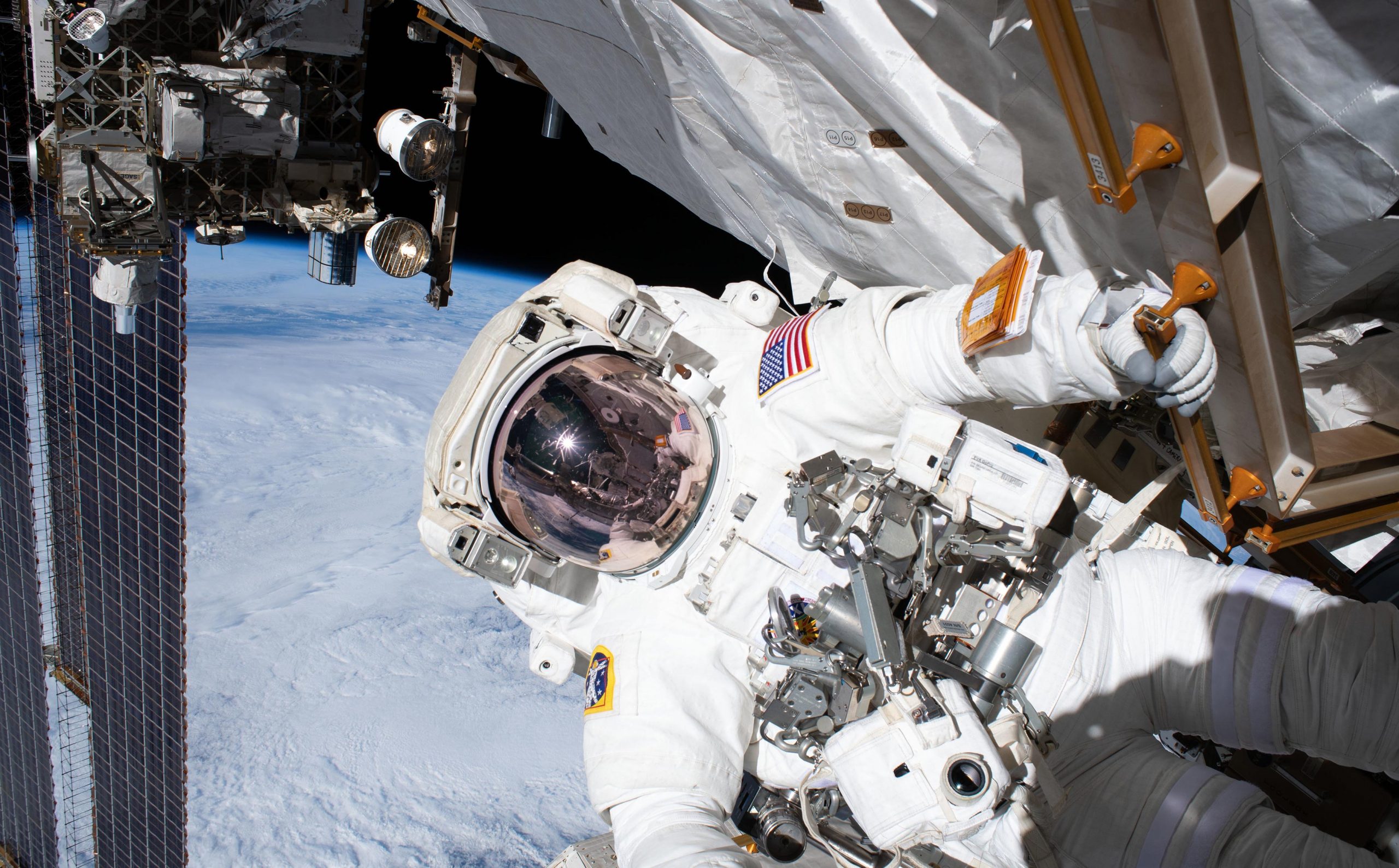
After completing training, the new astronauts could launch on American rockets and spacecraft — developed for NASA’s Commercial Crew Program — to live and work aboard the International Space Station, 250 miles(400 kilometers) above Earth. There they will take part in experiments that benefit life at home and prepare us for the Moon and Mars.
They also may launch on NASA’s powerful new Space Launch System rocket and Orion spacecraft, docking at the Gateway in lunar orbit before taking a new human landing system to the Moon’s surface. After returning humans to the Moon in 2024, NASA plans to send astronauts to the lunar surface once per year on expeditions and establish sustainable lunar exploration by 2028. Gaining new experiences on and around the Moon will prepare NASA to send the first humans to Mars in the mid-2030s.
Never miss a breakthrough: Join the SciTechDaily newsletter.
Follow us on Google and Google News.