
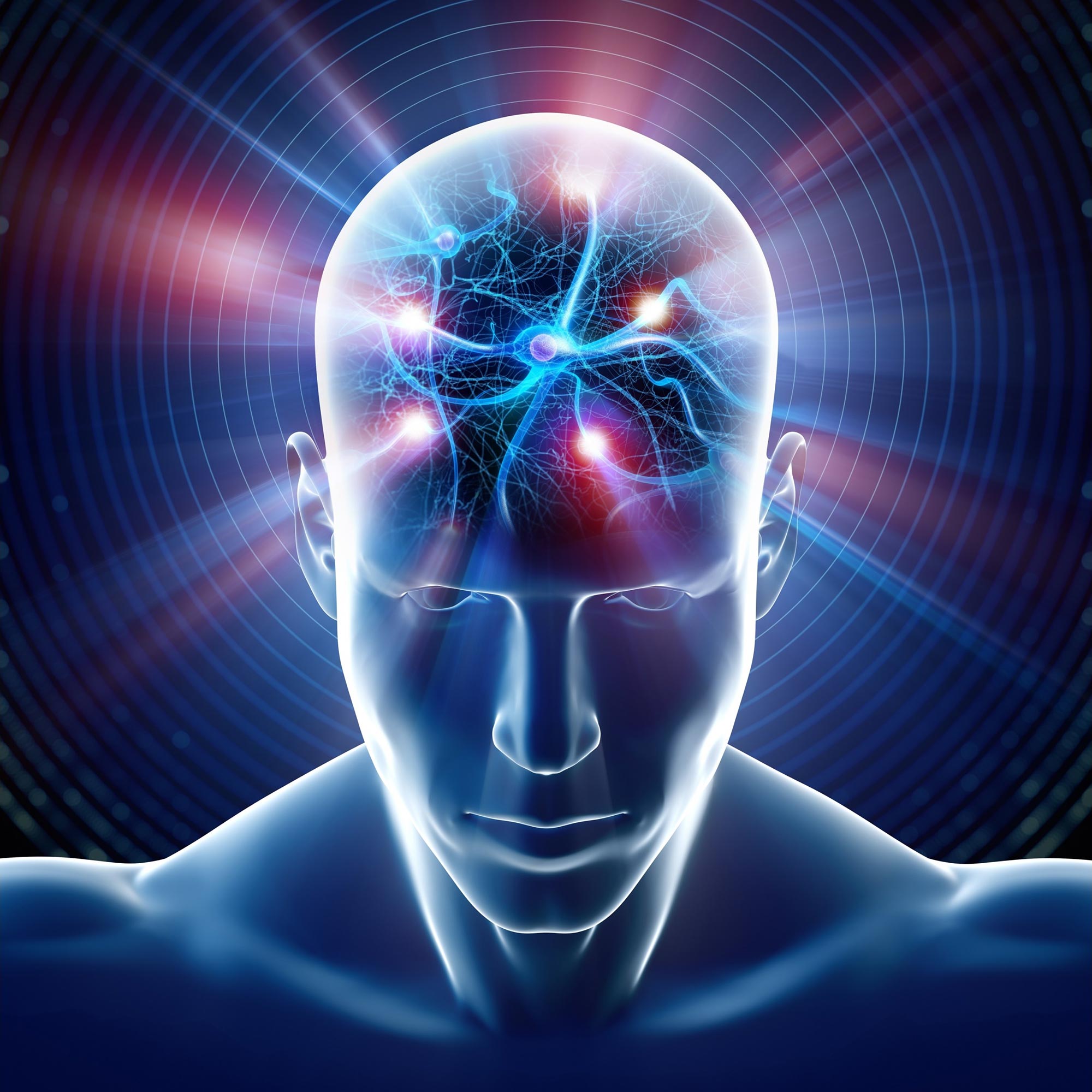
A novel brain mapping method reveals complex neural interactions, enabling task identification, unique brain “fingerprints,” and behavioral insights. It holds promise for advancing neuroscience and understanding neurodegenerative diseases.
A groundbreaking approach to mapping brain activity and connections has provided new insights into the organization of higher-order functions such as language, thought, and attention.
Conventional models of brain activity typically focus on interactions between two regions at a time. This limitation arises from the constraints of existing modeling techniques, which have not yet advanced enough to capture the complexity of interactions involving multiple brain regions simultaneously.
A new approach, developed by researchers at the University of Birmingham is capable of taking signals measured through neuroimaging, and creating accurate models from these to show how different brain regions are contributing to specific functions and behaviors. The results are published in Nature Communications.
Lead researcher, Dr Enrico Amico, said: “Complex systems like the brain depend on interactions between groups of regions, not just between pairs of regions. Although we know – in theory – that this is the case, until now we have not had the processing power required to model this.”
Leveraging Human Connectome Project Data
In the study, the group used data from fMRI scans recorded as part of the Human Connectome Project. This large-scale research consortium was set up to map the human brain, connecting its structure to function and behavior.
These scans, however, can provide only ‘noisy’ estimates of neural activity, so statistical methods are needed to clean up the data and compile accurate estimates of interactions from the neuroimaging signals.
Taking 100 unrelated subjects from the projects’ databank, the team produced detailed models of higher-order interactions. They tested these in three key areas, designed to test how useful the approach is.
Applications of the New Method
In the first, they were able to show it was possible to identify what task the individual might have been doing while in the fMRI scanner. In the second area of research, the team showed it was possible to identify a specific individual from their brain signals – using the signals as a sort of unique brain fingerprint for the individual.
And in the third area, the researchers demonstrated how higher order brain signals of an individual could be separated out from the lower order signals, and how they can be associated with the behavioural features of each individual.
Dr Andrea Santoro, of the CENTAI Institute in Italy, is the first author of the paper. He said: “Our approach, validated using data from healthy individuals, demonstrates the substantial advantages that this method can offer to neuroscience research. In the future, this method could also be used to help model interactions in individuals with neurodegenerative diseases, such as Alzheimer’s, where they could give valuable insights into how brain function is changing over time, or even to identify pre-clinical symptoms of these conditions.”
Reference: “Higher-order connectomics of human brain function reveals local topological signatures of task decoding, individual identification, and behavior” by Andrea Santoro, Federico Battiston, Maxime Lucas, Giovanni Petri and Enrico Amico, 26 November 2024, Nature Communications.
DOI: 10.1038/s41467-024-54472-y
Never miss a breakthrough: Join the SciTechDaily newsletter.
Follow us on Google and Google News.
1 Comment
” unique brain “fingerprints,” “. Mmmmmmm; I wonder what “Big Brother” thinks of this opportunity………?