
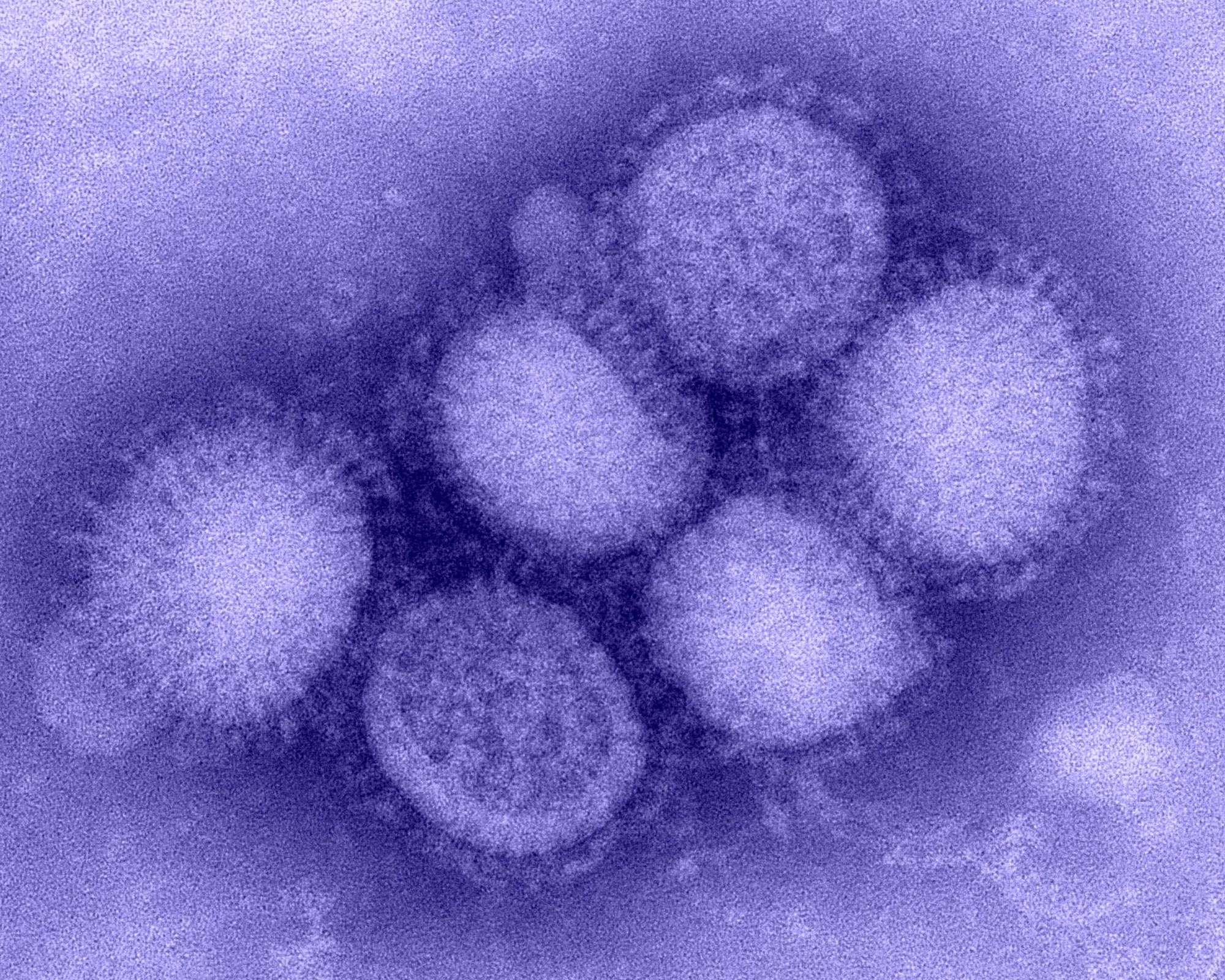
New insights into the local transmission of seasonal influenza may be valuable for planning interventions to combat the spread of respiratory diseases within cities, according to a study published November 19, 2020 in the open-access journal PLOS Pathogens by Nicola Müller and Tanja Stadler of ETH Zürich, and colleagues.
As shown with the current severe acute respiratory syndrome coronavirus 2 (SARS-CoV-2) pandemic, respiratory diseases can quickly spread around the world. While it can be important to understand how diseases spread globally, local spread is most often the main driver of novel infections of respiratory diseases such as SARS-CoV-2 or influenza. In the absence of deep knowledge about the important drivers of the local spread of SARS-CoV-2, governments around the world have resorted to closing down societies to reduce the burden of coronavirus disease (COVID-19). Similar to SARS-CoV-2, relatively little is known about the local spread of seasonal influenza, even though it annually infects a large portion of the global population.
In this new study, researchers addressed this question by collecting influenza samples and demographic information from 663 patients at two hospitals and various private practices in Basel, Switzerland, during the 2016/2017 influenza season. Genetic sequences of the influenza virus revealed that hundreds of introductions into the city drove the influenza season. Some evidence suggested that transmission dynamics in Basel may be associated with temperature. Moreover, the elderly were to a large extent infected within their own transmission network. In the remaining transmission network, additional analyses suggested that school-aged children likely played a more central role in driving the local spread of influenza than did preschool-aged children. According to the authors, the findings may lead to more streamlined, efficient public health interventions to reduce the great societal burden caused by the seasonal flu.
The authors conclude, “By allowing us to see how individual cases are connected, genetic sequences of influenza viruses isolated in Basel, Switzerland showed us that influenza viruses were repeatedly introduced into Basel from around the world within a single season.”
Reference: “Characterising the epidemic spread of influenza A/H3N2 within a city through phylogenetics” by Nicola F. Müller, Daniel Wüthrich, Nina Goldman, Nadine Sailer, Claudia Saalfrank, Myrta Brunner, Noémi Augustin, Helena MB Seth-Smith, Yvonne Hollenstein, Mohammedyaseen Syedbasha, Daniela Lang, Richard A. Neher, Olivier Dubuis, Michael Naegele, Andreas Buser, Christian H. Nickel, Nicole Ritz, Andreas Zeller, Brian M. Lang, James Hadfield, Trevor Bedford, Manuel Battegay, Rita Schneider-Sliwa, Adrian Egli and Tanja Stadler, 19 November 2020, PLOS Pathogens.
DOI: 10.1371/journal.ppat.1008984
Funding: This project was funded by the Swiss National Science Foundation (SNF; grant number CR32I3_166258), the Freiwillige Akademische Gesellschaft Basel and the Swiss Red Cross. AE received additional grants for this project: Freiwillige Akademische Gesellschaft Basel (with TS), Blutspende Zentrum SRK, and partially salary grant from SNSF Ambizione (PZ00P3_154709/1). The funders had no role in study design, data collection and analysis, decision to publish, or preparation of the manuscript.
Never miss a breakthrough: Join the SciTechDaily newsletter.
Follow us on Google and Google News.