
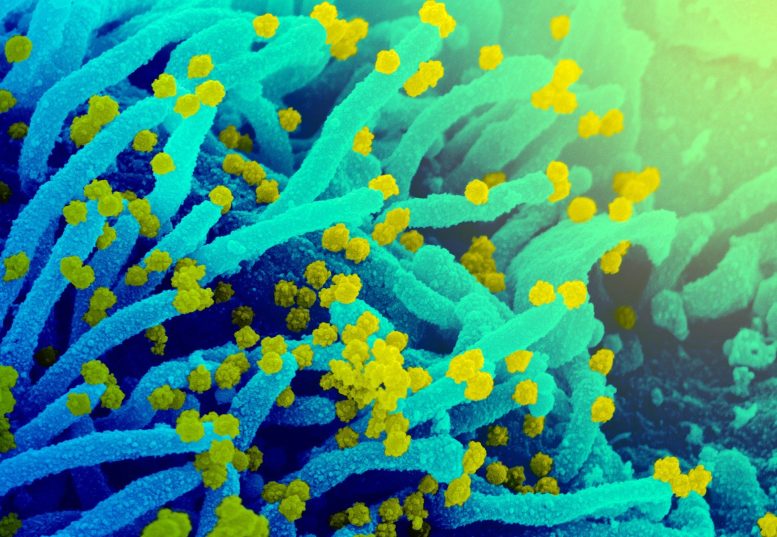
NIH-supported research will track effects of COVID-19 infection on children over three years.
A large, long-term study of the impacts of COVID-19 on children has enrolled its first participant at the National Institutes of Health’s Clinical Center in Bethesda, Maryland. The study, which is supported by the National Institute of Allergy and Infectious Diseases (NIAID), part of the National Institutes of Health, will track up to 1,000 children and young adults who previously tested positive for COVID-19 and evaluate the impact of COVID-19 on their physical and mental health over three years. The study is expected to yield a detailed picture of COVID-19’s effects on the overall health of children, their development and immune responses to infection, and their overall quality of life in the years following infection. This work is part of NIH’s Researching COVID to Enhance Recovery (RECOVER) Initiative, to better understand the long-term consequences of SARS-CoV-2 infection.
In the early days of the COVID-19 pandemic, initial data suggested that children were less likely to suffer from severe cases of COVID-19 than older people. However, among the 6 million reported pediatric COVID-19 cases in the United States, many children have experienced significant acute and long-term effects of the disease. Although increasing numbers of children are becoming eligible to receive a COVID-19 vaccine, the lack of vaccine-derived protection for most children has made this age group especially vulnerable to infection. In addition, children can suffer from a suite of inflammatory symptoms, collectively called Multisystem Inflammatory Syndrome in Children (MIS-C), that can affect multiple organs and lead to severe illness. MIS-C can arise even when the child initially appeared to be asymptomatic for COVID.
“Although we know that children are vulnerable to COVID-19, we still do not have a clear picture of how COVID-19 affects them in the long term,” said NIAID Director Anthony S. Fauci, M.D. “In adult patients, the long-term sequelae of COVID, including post-acute COVID-19, can significantly affect quality of life. Our investigations into the pediatric population will deepen our understanding of the public health impact that the pandemic has had and will continue to have in the months and years to come.”
Study participants will be enrolled with the consent of their parents or guardians. The NIH Clinical Center will recruit children ranging from 3 to 21 years of age, and Children’s National Hospital in Washington, DC, will recruit children ranging in age from birth to 21 years. In addition to tracking the long-term health effects of COVID-19 and attempting to determine risk factors for complications, the study also will evaluate the long-term immune responses to the disease, screen for genetic factors that may affect how children respond to COVID-19 infection, and determine whether immunological factors influence long-term outcomes.
Children may be eligible to be enrolled if they have tested positive for COVID-19 in the past, even if they were asymptomatic. Participants will receive a full physical examination and undergo a complete medical history. Study physicians will collect a variety of baseline samples, including blood, nasal swabs, stool, and urine. An optional genetic analysis may be performed to identify potential genetic risk factors for severe COVID-19 outcomes. Participants also will undergo scans of their hearts and other organs. Members of their households without a history of COVID infection also will be asked to enroll as part of a control cohort. In all, the study may enroll up to 2,000 people, the participants who have tested positive for COVID-19 and their household contacts.
Children and young adults who enroll within 12 weeks of a COVID-19 infection or a positive COVID-19 test will visit a clinic for follow-up at three and six months and then every six months for a total of three years. Those who enroll more than 12 weeks after a positive COVID-19 test will have clinic visits scheduled every six months for three years. At these follow-up visits, participants will undergo additional scans, sample analyses, questionnaires, and other means of tracking their health, development, and overall quality of life, including their mental and social well-being. Any re-infections or adverse events that may be linked to a prior COVID-19 infection will be documented. The researchers anticipate that the study will take approximately six years to complete.
For more information about the study, please visit ClinicalTrials.gov using the study identifier NCT04830852.
NIAID conducts and supports research — at NIH, throughout the United States, and worldwide — to study the causes of infectious and immune-mediated diseases, and to develop better means of preventing, diagnosing, and treating these illnesses.
About the National Institutes of Health (NIH): NIH, the nation’s medical research agency, includes 27 Institutes and Centers and is a component of the U.S. Department of Health and Human Services. NIH is the primary federal agency conducting and supporting basic, clinical, and translational medical research, and is investigating the causes, treatments, and cures for both common and rare diseases.
Never miss a breakthrough: Join the SciTechDaily newsletter.
Follow us on Google and Google News.