
Close Menu
    Facebook X (Twitter) Instagram
    SciTechDaily
    • Biology
    • Chemistry
    • Earth
    • Health
    • Physics
    • Science
    • Space
    • Technology
    Facebook X (Twitter) Pinterest YouTube RSS
    SciTechDaily
    Home»Science»Old Science, New Twists: Ancient Frog Fossils Disrupt 100-Year-Old Beliefs
    Science

    Old Science, New Twists: Ancient Frog Fossils Disrupt 100-Year-Old Beliefs

    By University College CorkApril 23, 2024No Comments3 Mins Read
    Facebook Twitter Pinterest Telegram LinkedIn WhatsApp Email Reddit
    Share
    Facebook Twitter LinkedIn Pinterest Telegram Email Reddit
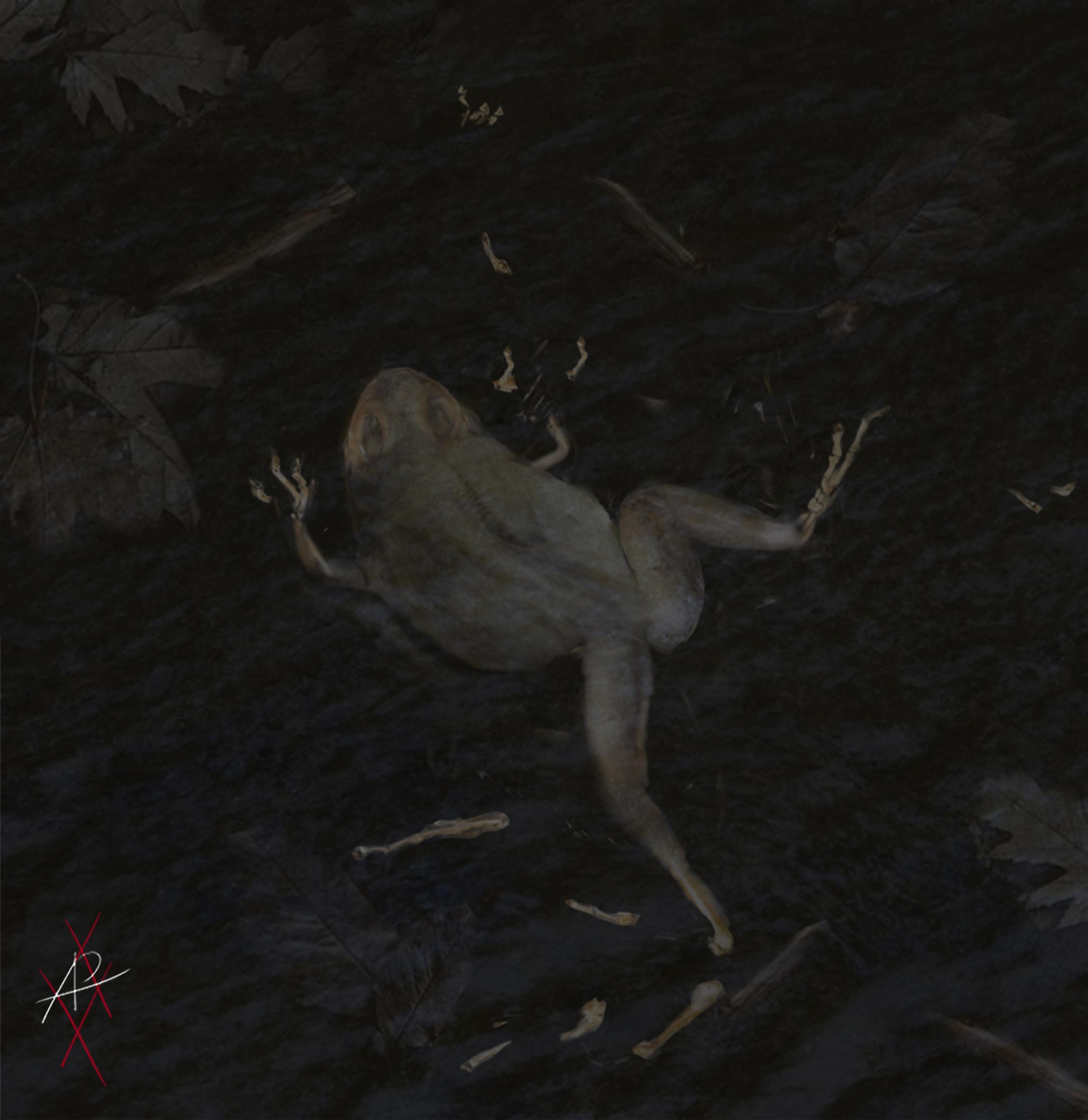
    Geiseltal Frog
    No more dry skin – a dead Geiseltal frog started to decay underwater. Credit: A. Pieri (University of Pisa)

    Paleontologists discovered that the exceptional preservation of 45-million-year-old frog fossils can be attributed to the mineralization of their skin, offering new insights into their adaptation to land.

    A hundred-year-old mystery of how some fossil frogs preserve their fleshy parts has been solved by paleontologists at University College Cork (UCC), Ireland. They discovered that it’s all down to their skin.

    Paleontologists Daniel Falk and Prof. Maria McNamara, together with scientists from Ireland, Germany, and the UK, studied 45-million-year-old fossil frogs from the Geiseltal site in central Germany. Remarkably, the fossils show full body outlines of the soft tissues. The team discovered that the excellent condition of the fossil frogs is due to preservation of ancient skin remnants.

    Advanced Analytical Techniques

    The team studied the fossils with high-precision techniques including scanning electron microscopy, synchrotron-X-ray analyses, and infrared spectroscopy. These techniques were not available when the fossils were first discovered in the early twentieth century.

    “The quality of preservation of the fossil frog skin is amazing – even subcellular structures, such as collagen fibers, are preserved.” said study lead, PhD researcher Daniel Falk. “The skin of the frogs is replicated in the mineral calcium phosphate, which helped it survive for millions of years.”
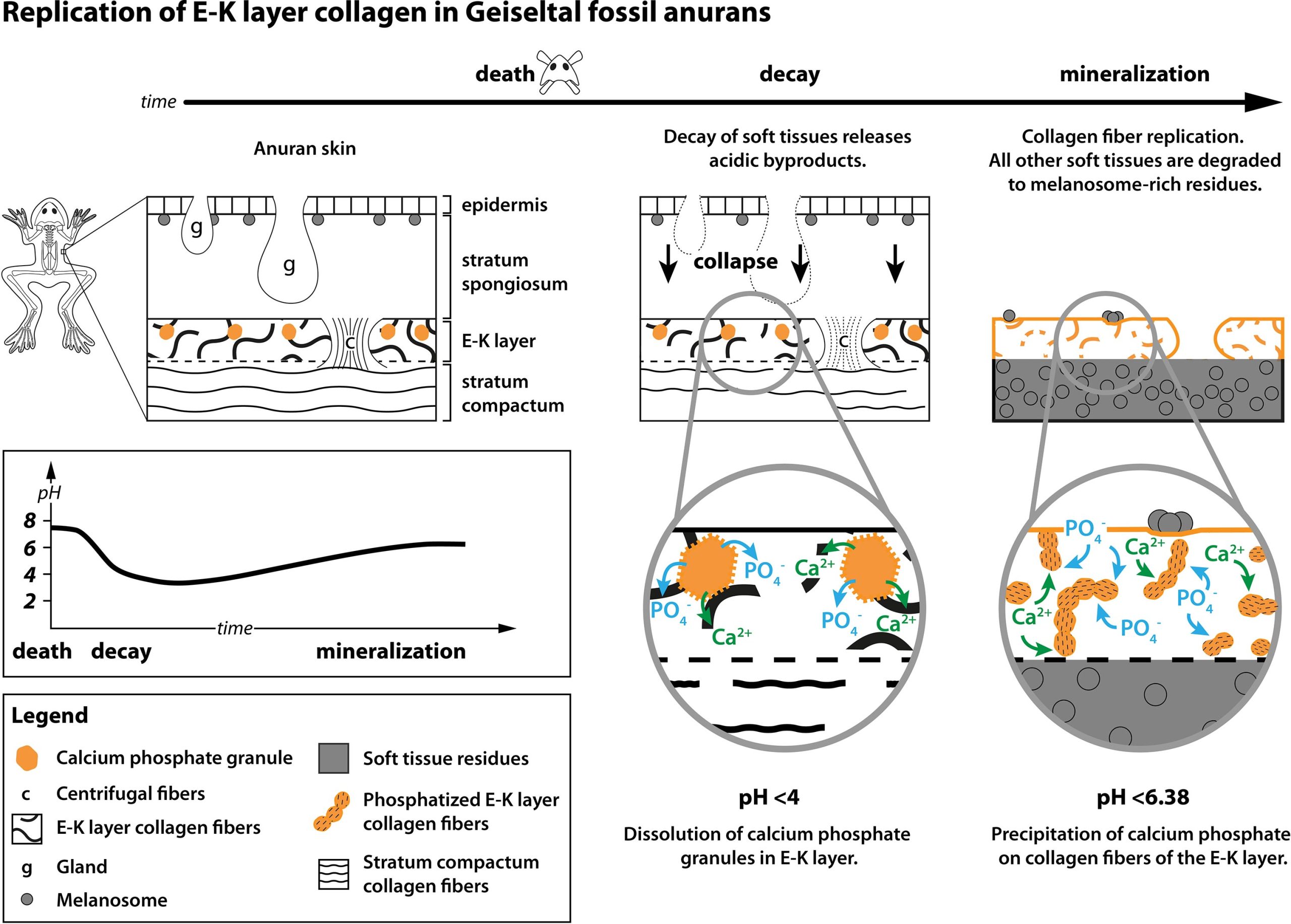
    Replication Process of Frog Skin
    The replication process of the frog skin at a glance. Credit: D. Falk, see Falk et al. 2024.

    Insights Into Fossil Frogs’ Habitat

    “The preservation of the skin is so good that we can even work out the habitat of the fossil frogs,” said Daniel. “The preserved skin shows adaptations to prevent drying out, which suggests that these fossil frogs actually spent most of their time on land.”

    “Fossil soft tissues often reveal hidden information about the biology of animals,” said senior author Prof. Maria McNamara. “We discovered that the fossil frog skin is preserved in the same way as fossil frogs from other sites in Europe.
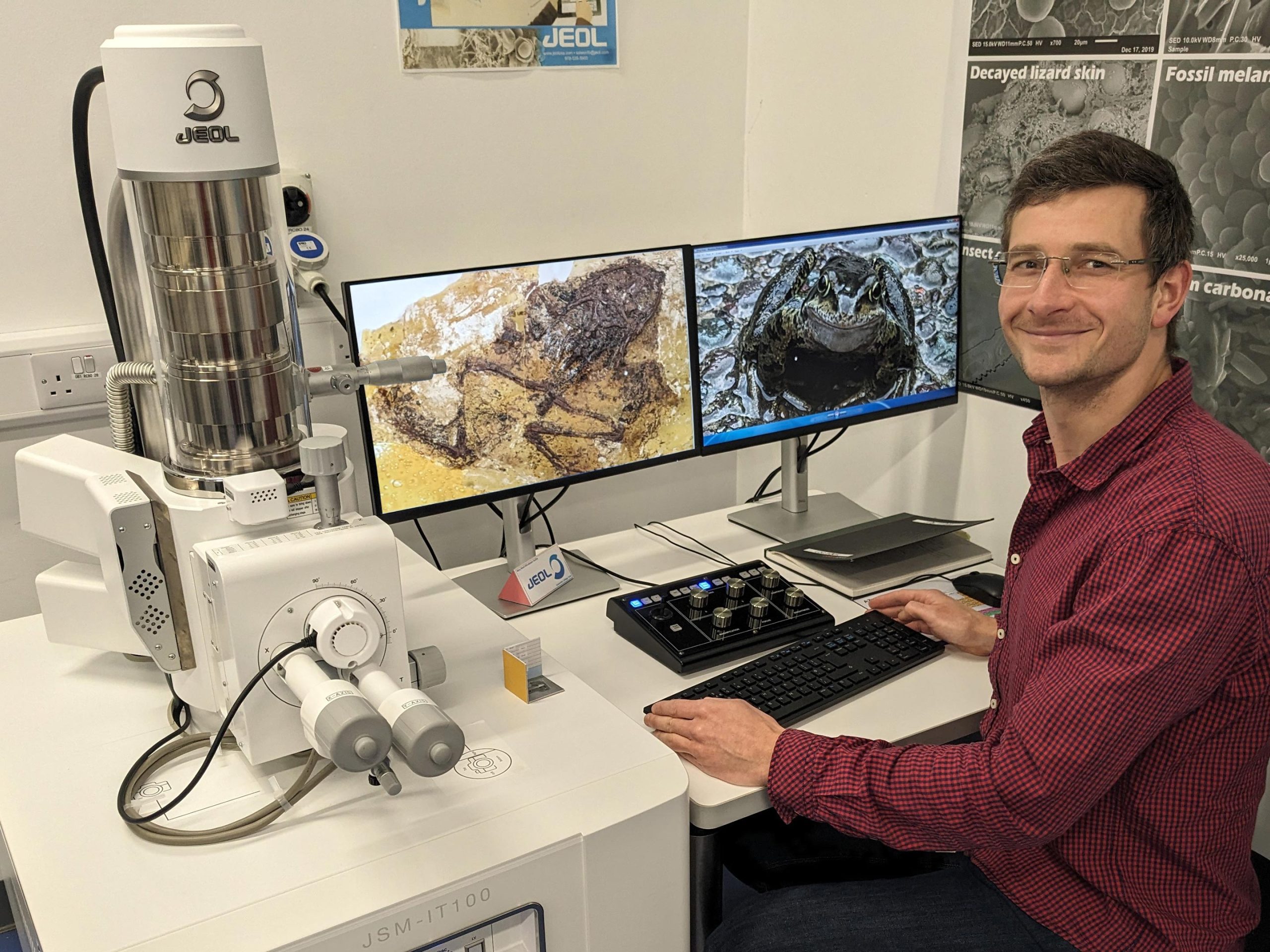
    Daniel Faulk
    Daniel Falk examines the fossil skin samples of a Geiseltal frog with an electron microscope. Credit: Daniel Falk

    Reevaluating Historical Fossils

    “This discovery is very exciting because it overturns scientific opinion that has lasted for almost one hundred years. What’s more, the repeated pattern of fossil preservation tells us that frogs evolved special adaptations to life on dry land over 45 million years ago.”

    The research highlights the usefulness of historic fossil collections and the need to re-evaluate historic specimens using modern techniques.

    The study is published today (April 23) in the journal Scientific Reports.

    Reference: “Fossilized anuran soft tissues reveal a new taphonomic model for the Eocene Geiseltal Konservat-Lagerstätte, Germany” by Daniel Falk, Oliver Wings, Richard Unitt, Jon Wade and Maria E. McNamara, 23 April 2024, Scientific Reports.
    DOI: 10.1038/s41598-024-55822-y

    The study is part of a research cooperation between UCC, the Martin-Luther-University Halle-Wittenberg (Germany), the Natural History Museum Bamberg (Germany), and the University of Oxford (UK) with funding from the Irish Research Council, the European Research Council, and the International Association of Sedimentologists.

    Never miss a breakthrough: Join the SciTechDaily newsletter.
    Follow us on Google and Google News.

    Evolution Fossils Frogs Paleontology Skin University College Cork
    Share. Facebook Twitter Pinterest LinkedIn Email Reddit

    Related Articles

    Named After Kermit the Frog – Paleontologists Discover 270-Million-Year-Old Ancient Amphibian Ancestor

    Paleontologists Unearth Ginger Pigment Secrets From 10-Million-Year-Old Frogs

    125-Million-Year-Old Dinosaur Feathers Reveal Traces of Ancient Proteins

    Researchers Unravel the Secret of a 45 Million-Year-Old Death Trap

    Genetic Evidence From Fossilized Remains Show Climate Change Drove Mastodons Vast Distances Across North America

    New Fossil Ape Discovered in India Fills Major Gaps in the Primate Fossil Record

    MIT’s New Evidence on Dinosaur Evolution

    Remarkable Discovery of 1 Billion-Year-Old Green Seaweed Micro-Fossils in China

    What Came First, the Animal or the Embryo? New Research Has Answer

    Leave A Reply Cancel Reply

    • Facebook
    • Twitter
    • Pinterest
    • YouTube

    Don't Miss a Discovery

    Subscribe for the Latest in Science & Tech!

    Trending News

    Your Blood Pressure Reading Could Be Wrong Because of One Simple Mistake

    Astronomers Stunned by Ancient Galaxy With No Spin

    Physicists May Be on the Verge of Discovering “New Physics” at CERN

    Scientists Solve 320-Million-Year Mystery of Reptile Skin Armor

    Scientists Say This Daily Walking Habit May Be the Secret to Keeping Weight Off After Dieting

    New Therapy Rewires the Brain To Restore Joy in Depression Patients

    Giant Squid Detected off Western Australia in Stunning Deep-Sea Discovery

    Popular Sugar-Free Sweetener Linked to Liver Disease, Study Warns

    Follow SciTechDaily
    • Facebook
    • Twitter
    • YouTube
    • Pinterest
    • Newsletter
    • RSS
    SciTech News
    • Biology News
    • Chemistry News
    • Earth News
    • Health News
    • Physics News
    • Science News
    • Space News
    • Technology News
    Recent Posts
    • Hidden Warm Water Beneath Antarctica Could Rapidly Raise Global Sea Levels
    • Scientists Revive Ancient Chemistry Trick To Engineer Next-Generation Glass
    • Scientists Use AI To Supercharge Ultrafast Laser Simulations by More Than 250x
    • Scientists Just Found a Surprising Way To Destroy “Forever Chemicals”
    • Popular Supplement Ingredient Linked to Shorter Lifespan in Men
    Copyright © 1998 - 2026 SciTechDaily. All Rights Reserved.
    • Science News
    • About
    • Contact
    • Editorial Board
    • Privacy Policy
    • Terms of Use

    Type above and press Enter to search. Press Esc to cancel.