

ESA retires Sentinel-1B after a power failure and aims to launch Sentinel-1C by mid-2023 while using alternative satellite data to minimize disruptions.
On December 23, 2021, Copernicus Sentinel-1B experienced an anomaly related to the instrument electronics power supply provided by the satellite platform, leaving it unable to deliver radar data. Spacecraft operators and engineers have been working tirelessly since then to rectify the issue. Unfortunately, despite all concerted efforts, ESA (European Space Agency) and the European Commission announce that it is the end of the mission for Sentinel-1B. Copernicus Sentinel-1A remains fully operational and plans are in force to launch Sentinel-1C as soon as possible.
ESA’s Director of Earth Observation Programs, Simonetta Cheli, stated, “Unfortunately, we have to announce the end of the mission for the Copernicus Sentinel-1B satellite. The conclusion drawn by the Anomaly Review Board is that it is impossible to recover the 28V regulated bus of the satellite’s C-band synthetic aperture radar antenna power supply unit, which is needed to provide power to the radar electronics.
“Sentinel-1A remains very healthy in orbit, continuing to deliver high-quality radar images for a multitude of applications. Our focus is on fast-tracking the launch of Sentinel-1C. Now, thanks to the successful inaugural flight of the Vega-C rocket on July 13, we, with Arianespace, are targeting the launch in the second quarter of 2023.”

European Union’s Efforts to Mitigate Sentinel-1B Loss
European Commission’s Acting Director for Space (Directorate General for Defense Industry and Space), Paraskevi Papantoniou, stated, “The permanent unavailability of Sentinel-1B satellite represents an important loss for the European Union’s space program and the European Commission is engaged to mitigate its impact. We notably managed to move forward with the launch of Sentinel-1C satellite.
“Meanwhile, Copernicus Contributing Mission data, including from European New Space companies, will continue to be used to support the most critical Copernicus Services products that are affected. The preparations for the de-orbiting of Sentinel-1B satellite are an example of our joint commitment, for the European Union and ESA, to clean and responsible space, using the EU’s Space Surveillance and Tracking capabilities.”
In April 2014, Sentinel-1A was the first satellite to be launched for Copernicus, the Earth observation component of the European Union’s space program. Although the European Union is at the helm of Copernicus, ESA develops, builds, and launches the dedicated Sentinel satellites. It also operates some of the missions.
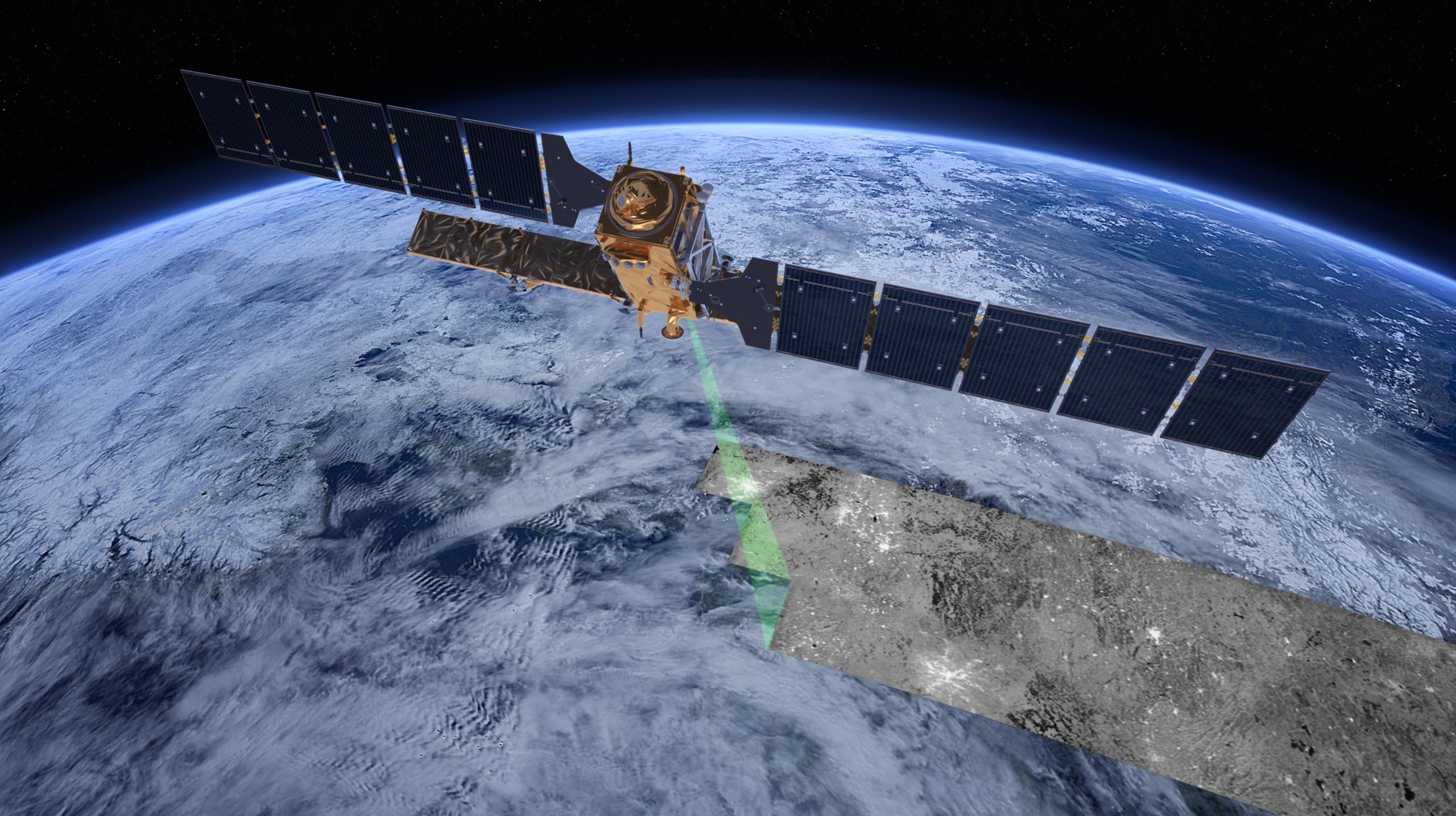
After the Sentinel-1B launch in April 2016, with the mission comprising two identical satellites orbiting 180° apart, the mission was able to image the planet with a maximum repeat frequency of six days, down to daily coverage at high latitudes.
Carrying advanced synthetic aperture radar technology to provide an all-weather, day-and-night supply of imagery of Earth’s surface, the ambitious Sentinel-1 mission raised the bar for spaceborne radar.
The mission benefits numerous Copernicus services and applications, such as those that relate to Arctic sea-ice monitoring, iceberg tracking, glacier-velocity monitoring, routine sea-ice mapping, surveillance of the marine environment including oil-spill monitoring and ship detection for maritime security, as well as illegal fisheries monitoring. It is also used for monitoring ground deformation resulting from subsidence, earthquakes, and volcanoes, mapping for forest, water, and soil management, and mapping to support humanitarian aid and crisis situations.

With such a significant role to play and users relying on timely data, ESA acted as soon as it was clear that Sentinel-1B’s power issue could take some weeks to resolve, which was the hope at the end of December.
ESA’s Sentinel-1 Mission Manager, Pierre Potin, said, “Together with the European Commission we are making sure to bridge some of the data gaps by adjusting the Sentinel-1A observation plan and through radar data from other satellite missions that contribute to the Copernicus program. For example, we are able to use data from Canada’s Radarsat-2 and Radarsat Constellation Mission, Germany’s TerraSAR-X, Italy’s COSMO-SkyMed, and Spain’s PAZ to support operational sea-ice monitoring for the Copernicus Marine Environment Monitoring Service.
“While we continue to try to minimize inconvenience to users and push to get Sentinel-1C into orbit as soon as we can, we are also preparing for the responsible disposal of Sentinel-1B.”
Responsible Disposal of Sentinel-1B
The Sentinel-1 Spacecraft Operations Manager, Alistair O’Connell, added, “We have Sentinel-1B under control, all other systems except the power affected unit, which prevents the radar from being switched on, continue to function nominally and we perform regular monitoring of the spacecraft health and routine orbit control maneuvers. We will keep Sentinel-1B under control until we can begin the disposal process, which we will start after Sentinel-1C is safely in orbit.
“Deorbiting Sentinel-1B will be carried out according to space debris mitigation requirements that were in place for ESA projects at the time of design of Sentinel-1A and Sentinel-1B, meaning that re-entry in the atmosphere will take place within 25 years. In practice, the re-entry duration is expected to be much shorter.”
Copernicus Sentinel-1C features a world premiere of a new separation mechanism that will help avoid space debris.
A summary of the description of the anomaly, the investigations, and the recovery attempts, as well as the parallel Sentinel-1 mission-level actions and way forward is available on the Sentinel Online website.
Never miss a breakthrough: Join the SciTechDaily newsletter.
Follow us on Google and Google News.
3 Comments
Sooooo, some overthought SMPS regulator used where an LM317 and a pass transistor would have lived for a hundred years? ;^)
So why were the LM317 and pass transistor not an option during design and planning phase?
Likely due to weight…. weight rules over time tested reliability in modern satellites.
Luckily some companies like SpaceX, ULA and RosCosmos are intelligent enough to “If it ain’t broke, don’t fix!”