
Close Menu
    Facebook X (Twitter) Instagram
    SciTechDaily
    • Biology
    • Chemistry
    • Earth
    • Health
    • Physics
    • Science
    • Space
    • Technology
    Facebook X (Twitter) Pinterest YouTube RSS
    SciTechDaily
    Home»Earth»World Oceans Day: Safeguarding Our Oceans
    Earth

    World Oceans Day: Safeguarding Our Oceans

    By European Space AgencyJune 8, 2020No Comments2 Mins Read
    Facebook Twitter Pinterest Telegram LinkedIn WhatsApp Email Reddit
    Share
    Facebook Twitter LinkedIn Pinterest Telegram Email Reddit
    Safeguarding Our Oceans
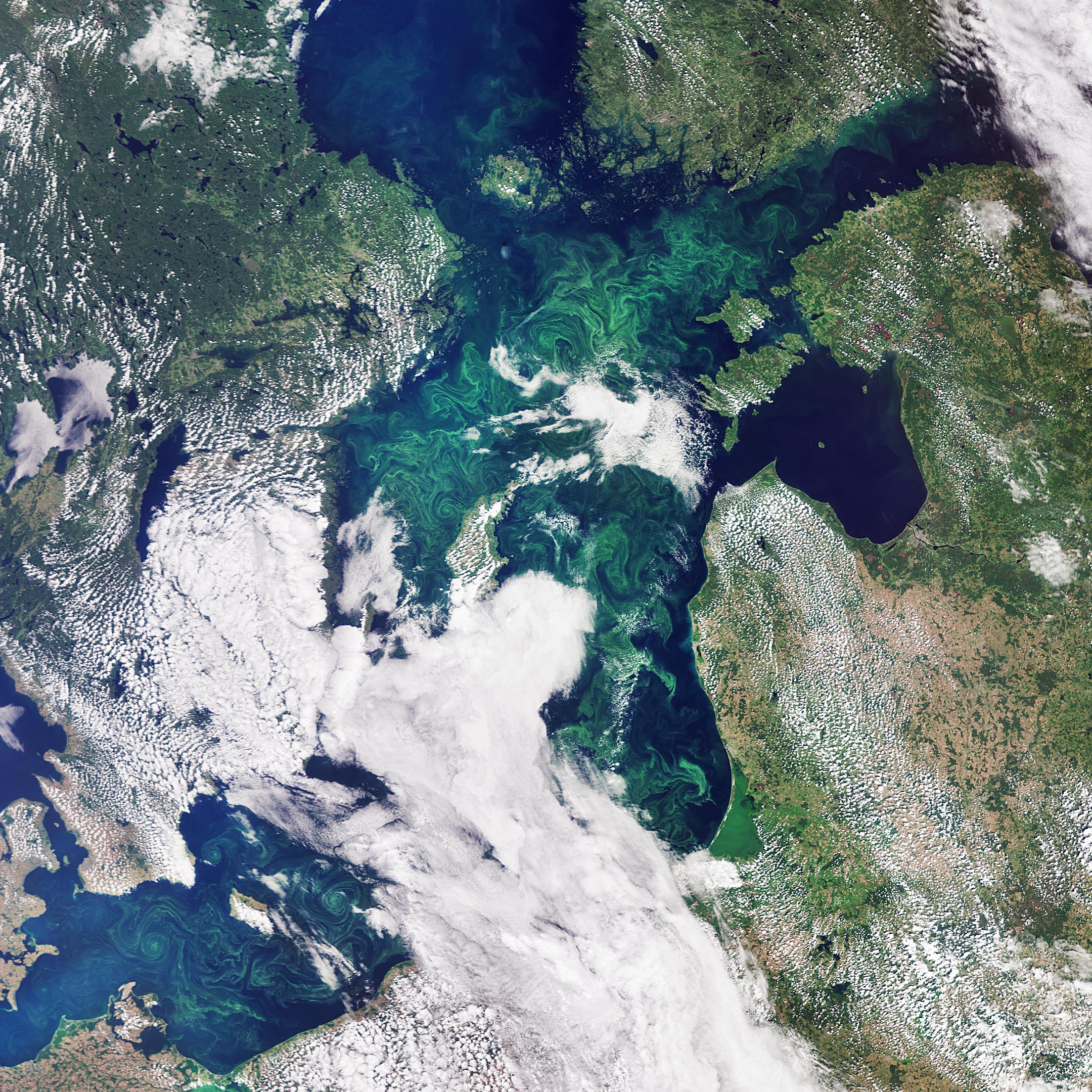
    Green algae blooms swirling around the Baltic Sea are visible in this image captured by the Copernicus Sentinel-3 mission. Credit: contains modified Copernicus Sentinel data (2019), processed by ESA, CC BY-SA 3.0 IGO

    Today marks World Oceans Day, a day that aims to raise awareness about protecting and restoring our oceans and its resources. Today, and every day, Earth-observing satellites continuously watch over the ocean to monitor and protect our environment.

    Covering more than 70% of Earth’s surface, the oceans are what makes this our Blue Planet. Our seas influence the climate, produce the oxygen we breathe, serve as a means of transport and a major source of food and resources.

    But they are under stress from climate change, pollution, and ocean acidification – all of which affect ecosystems and biodiversity. Satellite data increase our scientific understanding and support a range of environmental monitoring services in support of ocean conservation. From water saltiness to wave height, through sea level, sea ice, and phytoplankton, satellites take stock of the ocean in many different ways.

    In this image, captured by the Copernicus Sentinel-3 mission, the green algae blooms swirling around the Baltic Sea are visible. The Baltic Sea faces many serious challenges, including toxic pollutants, deep-water oxygen deficiencies, and toxic blooms of cyanobacteria affecting the ecosystem, aquaculture, and tourism.

    Satellite data can track the growth and spread of harmful algae blooms in order to alert and mitigate against damaging impacts on tourism and fishing industries. Learn more about the seas that surround us and how satellite monitoring helps protect them.

    Never miss a breakthrough: Join the SciTechDaily newsletter.
    Follow us on Google and Google News.

    European Space Agency Oceanography
    Share. Facebook Twitter Pinterest LinkedIn Email Reddit

    Related Articles

    Mediterranean Sea Blasted by Intense Marine Heatwave

    Major Ocean-Observing Satellite – Copernicus Sentinel-6 – Goes Live!

    Exploring Earth From Space: Japan in Bloom [Video]

    Our Planet Is Losing Ice at Record Rate – In Line With the Worst-Case Climate Warming Scenarios

    The Arctic: A Delicate Icy Ecosystem [Video]

    Our Oceans Are Capturing More Carbon Than Expected – Underestimated by Up to 900,000,000 Metric Tons of Carbon per Year

    Space for the Oceans: Conservation and Sustainable Use of Oceans, Seas and Marine Resources

    Shedding New Light on the Ocean’s Living Carbon Pump

    Satellite-Based Assessment of Ocean Acidification

    Leave A Reply Cancel Reply

    • Facebook
    • Twitter
    • Pinterest
    • YouTube

    Don't Miss a Discovery

    Subscribe for the Latest in Science & Tech!

    Trending News

    Nanoscale “Defects” Unlock a Major Heat Transfer Breakthrough

    Adults Taking More Vitamin D Scored 13% Higher on a Cognitive Test

    A 35,000-Year-Old Neanderthal Pelvis May Explain Why Men and Women Walk Differently

    Dual Stem Cell Treatment Restores Vision in First Human Trial

    Your Waist Size May Reveal More About Your Health Than You Think

    Scientists Turn Red Strawberries White With a Single Gene Edit

    A SpaceX Falcon 9 Rocket Hit the Moon and Blasted Open a 60-Foot Crater

    Study Reveals Your Organs May Be Aging at Very Different Speeds

    Follow SciTechDaily
    • Facebook
    • Twitter
    • YouTube
    • Pinterest
    • Newsletter
    • RSS
    SciTech News
    • Biology News
    • Chemistry News
    • Earth News
    • Health News
    • Physics News
    • Science News
    • Space News
    • Technology News
    Recent Posts
    • New Study: Intermittent Fasting Lowers Blood Sugar in Type 1 Diabetes
    • This Tiny Wearable Patch Could Automatically Reverse a Fentanyl Overdose
    • Alzheimer’s Brain Changes May Begin 7 Years Earlier Than Scientists Thought
    • NASA’s Roman Telescope Is Almost Ready to Leave Earth
    • Tiny Hidden Vibrations Could Make Aircraft More Fuel Efficient
    Copyright © 1998 - 2026 SciTechDaily. All Rights Reserved.
    • Science News
    • About
    • Contact
    • Editorial Board
    • Privacy Policy
    • Terms of Use

    Type above and press Enter to search. Press Esc to cancel.