
Close Menu
    Facebook X (Twitter) Instagram
    SciTechDaily
    • Biology
    • Chemistry
    • Earth
    • Health
    • Physics
    • Science
    • Space
    • Technology
    Facebook X (Twitter) Pinterest YouTube RSS
    SciTechDaily
    Home»Earth»Swirling Green Algae Blooms in Baltic Sea Viewed From Space [Video]
    Earth

    Swirling Green Algae Blooms in Baltic Sea Viewed From Space [Video]

    By European Space Agency (ESA)December 18, 2019No Comments2 Mins Read
    Facebook Twitter Pinterest Telegram LinkedIn WhatsApp Email Reddit
    Share
    Facebook Twitter LinkedIn Pinterest Telegram Email Reddit
    Baltic Algae Blooms
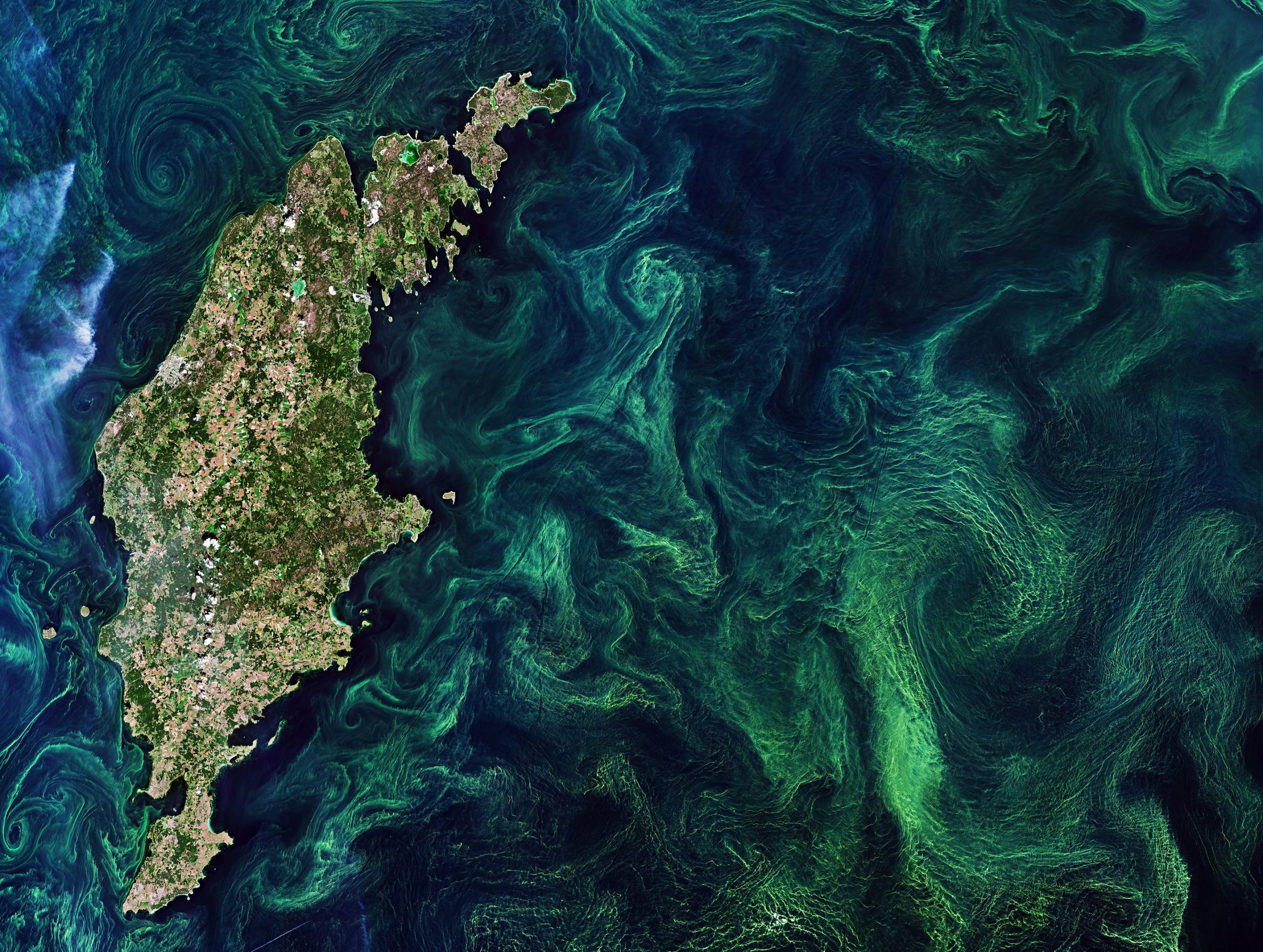
    Satellite image of algae blooms in the Central Baltic and around the island of Gotland. Satellite data can notify and reduce tourist and fishing industry damage from toxic algal blooms.

    The Copernicus Sentinel-2 mission takes us over the green algae blooms swirling around the Baltic Sea.

    ‘Algae bloom’ is the term used to describe the rapid multiplying of phytoplankton – microscopic marine plants that drift on or near the surface of the sea. The chlorophyll that phytoplankton use for photosynthesis collectively tints the surrounding ocean waters, providing a way of detecting these tiny organisms from space.

    In most of the Baltic Sea, there are two annual blooms – the spring bloom and the cyanobacterial (also called blue-green algae) bloom in late summer.  The Baltic Sea faces many serious challenges, including toxic pollutants, deep-water oxygen deficiencies, and toxic blooms of cyanobacteria affecting the ecosystem, aquaculture, and tourism.

    Cyanobacteria have qualities similar to algae and thrive on phosphorus in the water. High water temperatures and sunny, calm weather often lead to particularly large blooms that pose problems to the ecosystem.

    In this image captured on July 20, 2019, the streaks, eddies, and whirls of the late summer blooms, mixed by winds and currents, are clearly visible. Without in situ measurements, it is difficult to distinguish the type of algae that covers the sea as many different types of algae grow in these waters.

    The highest concentrations of algal blooms are said to occur in the Central Baltic and around the island of Gotland, visible to the left in the image.

    Although algal blooms are a natural and essential part of life in the sea, human activity is also said to increase the number of annual blooms. Agricultural and industrial run-off pours fertilizers into the sea, providing additional nutrients algae need to form large blooms.

    The bacteria that consume the decaying plants suck the oxygen out of the water, creating dead zones where fish cannot survive. Large summer blooms can contain toxic algae that are dangerous for both humans and other animals.

    Satellite data can track the growth and spread of harmful algae blooms in order to alert and mitigate damaging impacts on the tourism and fishing industries.

    Never miss a breakthrough: Join the SciTechDaily newsletter.
    Follow us on Google and Google News.

    Algae Cyanobacteria European Space Agency Marine Biology
    Share. Facebook Twitter Pinterest LinkedIn Email Reddit

    Related Articles

    Green Menace: Toxic Algae and Environmental Neglect at California’s Clear Lake

    Uncovering the Hidden Impact of Pollution on Coastal Marine Ecosystems

    Emerald Whirlpools: Satellite Captures Spectacular Algal Blooms in Gulf of Finland

    Climate Change Likely To Abruptly Impact Algae in the Global Ocean

    Exploring Earth From Space: Japan in Bloom [Video]

    Algorithm for Algal Rhythms: Red Sea Atlas of Algal Blooms Reveals the Need for More Sustainable Fish Farming

    Harmful Algal Blooms in Arabian Sea Fueled by Shrinking Snowcaps

    Toxic Algal Blooms Could be Boosted by Climate Change

    South Korean Rivers Hit By Algal Blooms, Dam Project Blamed

    Leave A Reply Cancel Reply

    • Facebook
    • Twitter
    • Pinterest
    • YouTube

    Don't Miss a Discovery

    Subscribe for the Latest in Science & Tech!

    Trending News

    Artificial Sweeteners May Harm Future Generations, Study Suggests

    Splashdown! NASA Artemis II Returns From Record-Breaking Moon Mission

    What If Consciousness Exists Beyond Your Brain

    Scientists Finally Crack the 100-Million-Year Evolutionary Mystery of Squid and Cuttlefish

    Beyond “Safe Levels”: Study Challenges What We Know About Pesticides and Cancer

    Researchers Have Found a Dietary Compound That Increases Longevity

    Scientists Baffled by Bizarre “Living Fossil” From 275 Million Years Ago

    Your IQ at 23 Could Predict Your Wealth at 27, Study Finds

    Follow SciTechDaily
    • Facebook
    • Twitter
    • YouTube
    • Pinterest
    • Newsletter
    • RSS
    SciTech News
    • Biology News
    • Chemistry News
    • Earth News
    • Health News
    • Physics News
    • Science News
    • Space News
    • Technology News
    Recent Posts
    • Quantum Reality Gets Stranger: Physicists Put a Lump of Metal in Two Places at Once
    • 34-Million-Year-Old Snake Found in Wyoming Rewrites Our Understanding of Evolution
    • Prehistoric “Vomit Fossil” Reveals Never-Before-Seen Flying Reptile
    • Scientists Discover Bizarre Crocodile Relative That Walked on Two Legs
    • How Quantum Mechanics Went From Baffling Theory to Revolutionizing Modern Technology
    Copyright © 1998 - 2026 SciTechDaily. All Rights Reserved.
    • Science News
    • About
    • Contact
    • Editorial Board
    • Privacy Policy
    • Terms of Use

    Type above and press Enter to search. Press Esc to cancel.