
Close Menu
    Facebook X (Twitter) Instagram
    SciTechDaily
    • Biology
    • Chemistry
    • Earth
    • Health
    • Physics
    • Science
    • Space
    • Technology
    Facebook X (Twitter) Pinterest YouTube RSS
    SciTechDaily
    Home»Technology»Promising Advances to Lower Cost and Durable Smart Window Technology
    Technology

    Promising Advances to Lower Cost and Durable Smart Window Technology

    By University of Colorado at BoulderJune 5, 2020No Comments3 Mins Read
    Facebook Twitter Pinterest Telegram LinkedIn WhatsApp Email Reddit
    Share
    Facebook Twitter LinkedIn Pinterest Telegram Email Reddit
    Tinted Solar Cell
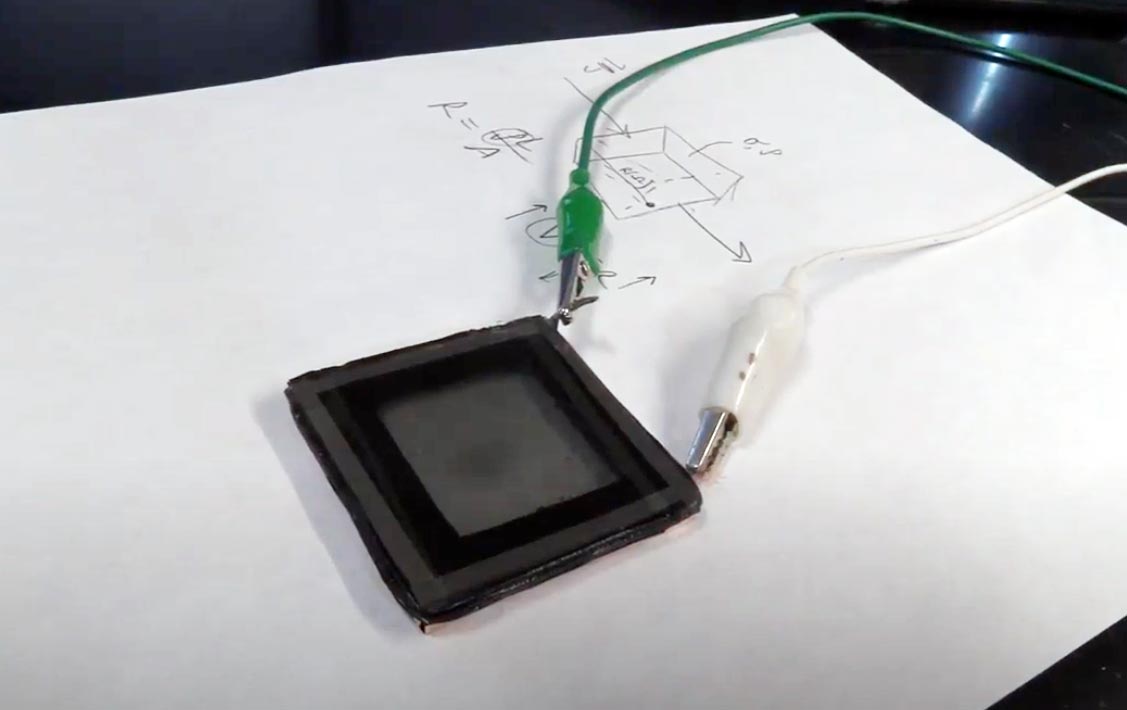
    Tinting allows for more natural light through home windows while still maintaining privacy and has positive implications for energy reduction and HVAC control in the home or office. Credit: Michael McGehee

    Researchers at the University of Colorado Boulder have developed an improved method for controlling smart tinting on windows that could make them cheaper, more effective and more durable than current options on the market. The research, led by Professor Mike McGehee in the College of Engineering and Applied Science, is described in a new paper this week in Joule and uses a reversible metal electrodeposition process that is different from the current industry standards.

    “What we are doing is building an electrochemical cell. We have a transparent electrode and an electrode with metal ions. By switching the voltage, the thin plate metal blocks the light,” he said. “It’s not at all how other people are achieving the same effect.”

    The paper explains in detail how metal can be electroplated onto a transparent electrode to block light and then stripped to make the window transparent again by manipulating the voltage. It specifically explores how various electrolytes can be used with different supporting anions to achieve the desired results.

    McGehee said smart window technology allows users to adjust the amount of sunlight and heat entering through home or windows without blocking views. Tinting allows for more natural light through home windows while still maintaining privacy and has positive implications for energy reduction and HVAC control in the home or office. Despite the appeal, dynamic windows have yet to achieve extensive commercialization because of many of the problems this paper addresses.

    For example, this new process ultimately results in a more desirable neutral color of glass than other technologies and allows for any transparency adjustment all the way from 80 percent tinted down to 0 percent or fully transparent. Whereas many of the windows on the market can only provide up to 70 percent tinting. This transition can be done quickly as well, with 60 percent contrast happening in less than 3 minutes.

    The final product is also likely to be less expensive to create than existing technologies. McGehee said potential cost savings were hard to gauge but producing windows with this technology doesn’t require large special tools and has a high throughput – meaning the glass can be manufactured rapidly.

    PhD candidate and McGehee lab member Tyler Hernandez is the first author on the paper and that the team has already made a 1 square-foot window using this process. They are currently running stability and other tests and the initial results indicate long-term durability of the with no evidence of electrode etching which degrades the overall performance and is a big drawback to other versions on the market.

    Car manufactures are also interested in the technology while airplane manufacture Boeing already uses electrochromic windows on their 787 Dreamliner.

    McGehee speculates that other application areas might include cycling glasses or ski goggles that shift with the quickly changing light conditions.

    “This is a question and process my group has been looking into for some time now,” he said. “This paper addresses many of the problems this technology has faced, and we think there is a lot of opportunity going forward.”

    Never miss a breakthrough: Join the SciTechDaily newsletter.
    Follow us on Google and Google News.

    Electrical Engineering University of Colorado at Boulder
    Share. Facebook Twitter Pinterest LinkedIn Email Reddit

    Related Articles

    Scientists Just Created Tiny Earthquakes Inside a Microchip

    A Ghostly Solution: Strange Property of the Quantum Realm Enables Efficient Energy Harvesting in Tiny Device

    New Wearable Device Turns Your Body Into a Biological Battery

    Stretchy “Electronic Skin” Promises Cheap and Recyclable Alternative to Wearable Devices

    Nano-Thin Flexible Touchscreens Could Be Printed at Home – 100x Thinner Than Current Technology

    World’s Shortest Wavelength Laser Diode Emits Deep UV Light

    Chance Discovery Results in New Type of Transistor for High-Power Electronic Devices

    “Deeply Problematic” – Facial Recognition Software Has a Gender Problem

    Chips As Mini Internets: CPU Cores Communicate by Networks Instead of Bus

    Leave A Reply Cancel Reply

    • Facebook
    • Twitter
    • Pinterest
    • YouTube

    Don't Miss a Discovery

    Subscribe for the Latest in Science & Tech!

    Trending News

    Popular Sugar-Free Sweetener Linked to Liver Disease, Study Warns

    What Is Hantavirus? The Deadly Disease Raising Alarm Worldwide

    Scientists Just Discovered How the Universe Builds Monster Black Holes

    Scientists Unveil New Treatment Strategy That Could Outsmart Cancer

    A Simple Vitamin May Hold the Key to Treating Rare Genetic Diseases

    Scientists Think the Real Fountain of Youth May Be Hiding in Your Gut

    Ravens Don’t Follow Wolves, They Predict Them

    This Common Knee Surgery May Be Doing More Harm Than Good

    Follow SciTechDaily
    • Facebook
    • Twitter
    • YouTube
    • Pinterest
    • Newsletter
    • RSS
    SciTech News
    • Biology News
    • Chemistry News
    • Earth News
    • Health News
    • Physics News
    • Science News
    • Space News
    • Technology News
    Recent Posts
    • Why Are So Many New Fathers Dying? Scientists Say the U.S. Has a Dangerous Blind Spot
    • Scientists Identify Simple Supplement That Greatly Reduces Alzheimer’s Damage
    • You May Have a Dangerous Type of Cholesterol Even if Your Tests Look Normal
    • Study Reveals Dangerous Flaw in AI Symptom Checkers
    • New MRI Breakthrough Captures Stunningly Clear Images of the Eye and Brain
    Copyright © 1998 - 2026 SciTechDaily. All Rights Reserved.
    • Science News
    • About
    • Contact
    • Editorial Board
    • Privacy Policy
    • Terms of Use

    Type above and press Enter to search. Press Esc to cancel.