
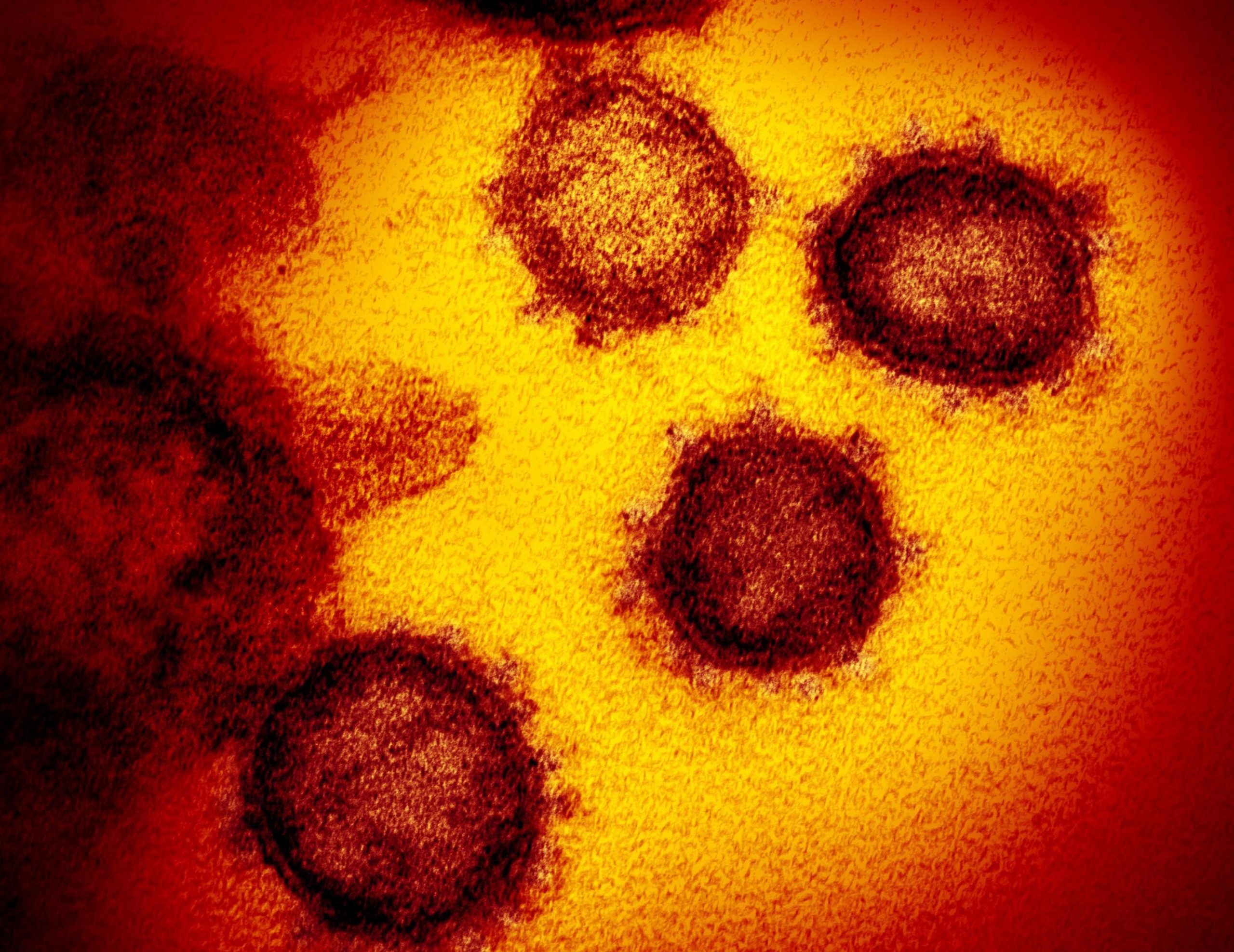
Research indicates that up to 10% of individuals may remain infectious with SARS-CoV-2 beyond the 10-day quarantine, with potential virus activity lasting up to 68 days, necessitating revised quarantine guidelines in high-risk environments.
One in 10 people may have clinically relevant levels of potentially infectious SARS-CoV-2 past the 10-day quarantine period, according to new research.
The study, led by the University of Exeter and funded by Animal Free Research UK, used a newly adapted test that can detect whether the virus was potentially still active. It was applied to samples from 176 people in Exeter who had tested positive on standard PCR tests.
The study, published in the International Journal of Infectious Diseases found that 13 percent of people still exhibited clinically-relevant levels of virus after 10 days, meaning they could potentially still be infectious. Some people retained these levels for up to 68 days. The authors believe this new test should be applied in settings where people are vulnerable, to stop the spread of COVID-19.
Extended Infectiousness and Public Health Implications
Professor Lorna Harries, of the University of Exeter Medical School, oversaw the study. She said: “While this is a relatively small study, our results suggest that potentially active virus may sometimes persist beyond a 10-day period, and could pose a potential risk of onward transmission. Furthermore, there was nothing clinically remarkable about these people, which means we wouldn’t be able to predict who they are”.
Conventional PCR tests work by testing for the presence of viral fragments. While they can tell if someone has recently had the virus, they cannot detect whether it is still active, and the person is infectious. The test used in the latest study however gives a positive result only when the virus is active and potentially capable of onward transmission.
Implications for Public Health Policy
Lead author Merlin Davies, of the University of Exeter Medical School, said: “In some settings, such as people returning to care homes after illness, People continuing to be infectious after ten days could pose a serious public health risk. We may need to ensure people in those setting have a negative active virus test to ensure people are no longer infectious. We now want to conduct larger trials to investigate this further.”
Animal Free Research UK CEO, Carla Owen, said: “The University of Exeter team’s discovery is exciting and potentially very important. Once more, it shows how focusing exclusively on human biology during medical research can produce results that are more reliable and more likely to benefit humans and animals.
“Pioneering animal free work is providing the best chance of not only defeating Covid 19 but also finding better treatments for all human diseases.
“The results also send a loud and clear message to the Government to better fund modern medical research and make the UK a world leader in cutting edge, kinder science.”
Reference: “Persistence of clinically-relevant levels of SARS-CoV2 envelope gene subgenomic RNAs in non-immunocompromised individuals” by Merlin Davies, Laura R Bramwell, Nicola Jeffery, Ben Bunce, Ben P Lee, Bridget Knight, Cressida Auckland, Jane AH Masoli and Lorna W Harries, 7 December 2021, International Journal of Infectious Diseases.
DOI: 10.1016/j.ijid.2021.12.312
The research is a collaboration between the University of Exeter Medical School, the Royal Devon & Exeter NHS Foundation Trust, and the NIHR Exeter Clinical Research Facility.
Never miss a breakthrough: Join the SciTechDaily newsletter.
Follow us on Google and Google News.