
Close Menu
    Facebook X (Twitter) Instagram
    SciTechDaily
    • Biology
    • Chemistry
    • Earth
    • Health
    • Physics
    • Science
    • Space
    • Technology
    Facebook X (Twitter) Pinterest YouTube RSS
    SciTechDaily
    Home»Health»Researchers Uncover Surprising Sugar Mechanism Behind Psoriasis
    Health

    Researchers Uncover Surprising Sugar Mechanism Behind Psoriasis

    By Lancaster UniversityDecember 29, 20251 Comment3 Mins Read
    Facebook Twitter Pinterest Telegram LinkedIn WhatsApp Email Reddit
    Share
    Facebook Twitter LinkedIn Pinterest Telegram Email Reddit
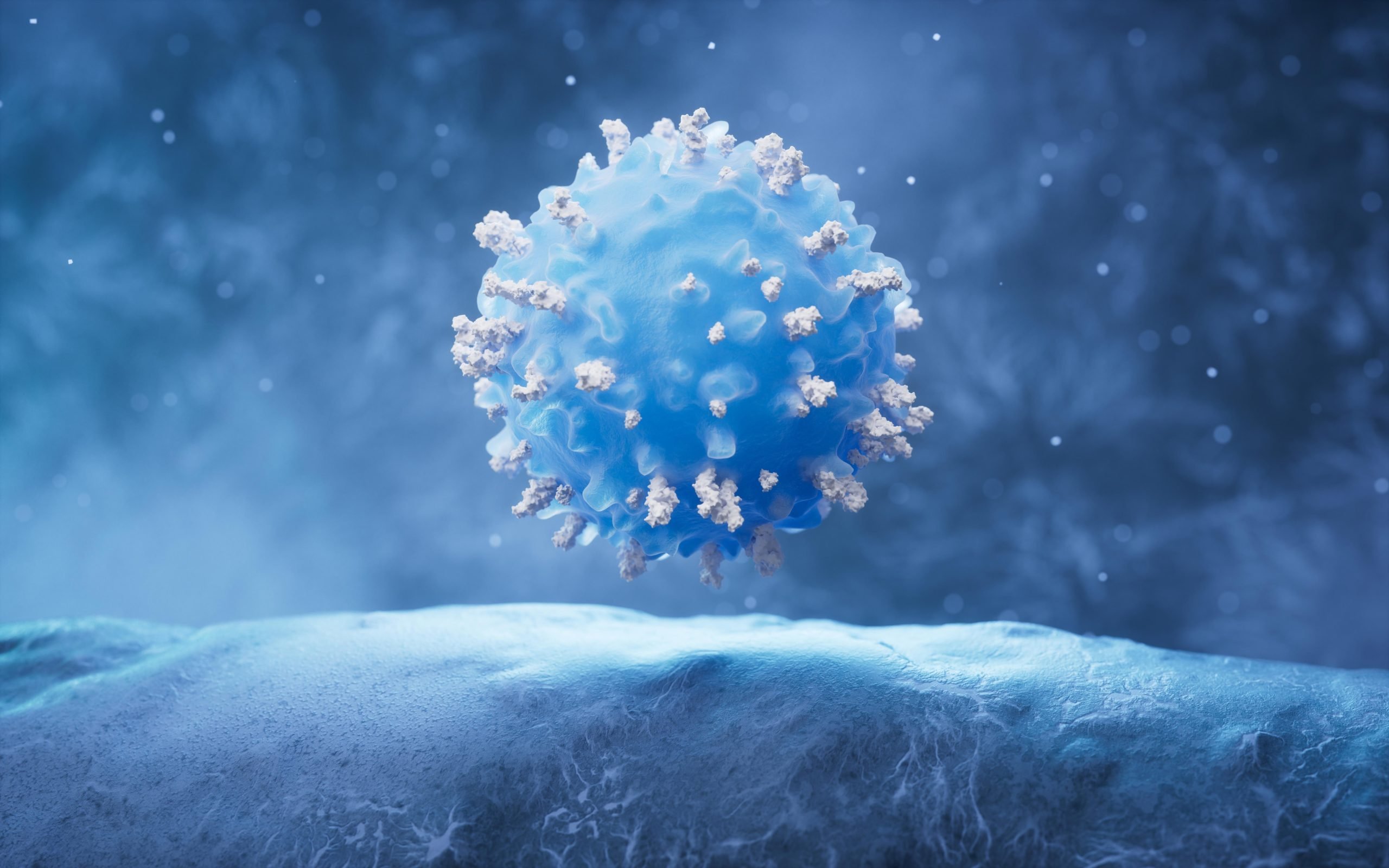
    Immune T Cell
    New research reveals that immune cells themselves shed a sugar-rich surface layer to enter inflamed skin in psoriasis, reshaping long-held views of how immune cells migrate during disease. This subtle molecular change helps drive inflammation, pointing to an overlooked mechanism that could influence future treatments. Credit: Shutterstock

    Researchers have uncovered a previously unrecognized role for immune cell surface sugars in driving inflammation in psoriasis.

    Scientists have refined how they understand the role of sugars called glycans in guiding immune cells into the skin during psoriasis, a chronic inflammatory disease.

    The findings are reported in a study recently published in the journal Science Signaling.

    The research was led by Dr. Amy Saunders of Lancaster University and Dr. Douglas Dyer of the University of Manchester, with their joint PhD student, Dr. Megan Priestley (now at MIT), as the first author.

    The glycocalyx as a gatekeeper

    Many cells in the body, especially those that line blood vessels, are covered by a dense outer coating known as the glycocalyx. This gel-like layer is made up of complex sugar molecules that sit on the surface of the cell membrane. It helps protect blood vessels from physical and chemical stress and has more recently been recognized as an important regulator of immune cell movement.

    Amy Saunders
    Dr. Amy Saunders. Credit: Lancaster University

    The researchers found that immune cells themselves also carry a glycocalyx and can shed this sugar layer to move out of the bloodstream and into surrounding tissue during inflammatory skin disease. This challenges earlier assumptions that only blood vessel cells modified their glycocalyx to allow immune cells to pass through.

    Shedding the glycocalyx appears to be a key part of the inflammatory response, enabling immune cells to reach tissues where they are needed to fight infection. At the same time, this process can contribute to disease when immune cells accumulate excessively, as occurs in conditions such as psoriasis that affect the skin.

    Shifting targets for inflammatory disease treatment

    Dr. Saunders said: “It is really exciting to discover how important the glycocalyx layer is on immune cells, and I hope that this research will help to lay the foundations for future advances in inflammatory disease treatment.”

    Dr. Dyer said: “It has been a pleasure working collaboratively on this project to redefine our understanding of immune cell recruitment to try and better treat inflammatory disease.”

    Dr. Priestley said: “This was a really fun project to work on in my PhD, and I hope this research brings more attention to the importance of sugars in the immune system.”

    Other members of the team included Dr. Max Nobis at the University of Manchester (previously VIB-KU Leuven), and Professor Olga Zubkova of the Victoria University of Wellington in New Zealand.

    Designing drugs to alter the movement of immune cells between the blood and tissues is a potential way to treat both infections and inflammatory diseases. Therefore, this research may alter the approach taken to develop drugs targeting the movement of immune cells into tissues.

    Reference: “Leukocytes have a heparan sulfate glycocalyx that regulates recruitment during psoriasis-like skin inflammation” by Megan J. Priestley, Anna K. Hains, Iashia Z. Mulholland, Sam Spijkers-Shaw, Joshua C. Müller, Gareth Howell, Amanda J. L. Ridley, H. Davies-Strickleton, Rebecca L. Miller, Max Nobis, Olga V. Zubkova, Amy E. Saunders and Douglas P. Dyer, 4 November 2025, Science Signaling.
    DOI: 10.1126/scisignal.adr0011

    The research was mainly funded by The Wellcome Trust and Royal Society.

    Never miss a breakthrough: Join the SciTechDaily newsletter.
    Follow us on Google and Google News.

    Cell Biology Immune System Immunology Lancaster University Popular Skin
    Share. Facebook Twitter Pinterest LinkedIn Email Reddit

    Related Articles

    “Zombie” Skin Cells Exposed: Three Secret Shapes That Decide If You Age or Heal

    COVID Search and Destroy: Scientists Design “Nanotraps” to Catch and Clear Coronavirus From Tissue

    COVID-19 Causes “Unexpected” Cellular Response in the Lungs, Surprising Scientists

    How Coronavirus Damages Lung Cells Within Mere Hours – And What Drugs Could Halt COVID-19 Infection

    Big Differences in Long-Term Immunity Resulting From Mild vs. Severe COVID-19 Cases

    Scientists Discover a Way to Control the Immune System’s “Natural Killer” Cells With “Invisible” Stem Cells

    SARS-CoV-2 Antibodies Provide Lasting COVID-19 Immunity

    Research Shows Exposure to Common Cold Coronaviruses Can Teach the Immune System to Recognize SARS-CoV-2

    Common Molecular Feature of Antibodies That Neutralize SARS-CoV-2 Discovered, Boosting COVID-19 Vaccine Prospects

    1 Comment

    1. Ralph Johnson on January 3, 2026 4:31 am

      Thinking out loud , Licorice has a AntiViral extract that has a distinct sugary taste could this sugar of the licorice be a mechanism to help the immune system fight the paralisis that causes a case of Bell’s Palsy , I have the Bell’s and have been drinking the tea made with licorice root and it seems to be helpful in my recovery .

      Reply
    Leave A Reply Cancel Reply

    • Facebook
    • Twitter
    • Pinterest
    • YouTube

    Don't Miss a Discovery

    Subscribe for the Latest in Science & Tech!

    Trending News

    Could Low Vitamin D Be Making Your Pain Worse?

    Scientists Discover Once-Weekly Workout That Melts Belly Fat Surprisingly Effectively

    Scientists Just Tested a Thruster Powerful Enough for Human Missions to Mars

    Doctors Say Your Ice Pack Might Be Making Injuries Worse

    Scientists Discover 43-Foot Sea Reptile Twice the Size of a Great White Shark

    Bees and Birds Are Drinking Alcohol From Flowers

    Scientists Discover How Obesity May Trigger Alzheimer’s Disease

    Scientists Confirm Alcohol Causes Widespread Health Damage

    Follow SciTechDaily
    • Facebook
    • Twitter
    • YouTube
    • Pinterest
    • Newsletter
    • RSS
    SciTech News
    • Biology News
    • Chemistry News
    • Earth News
    • Health News
    • Physics News
    • Science News
    • Space News
    • Technology News
    Recent Posts
    • Just Minutes of Intense Exercise Could Slash Disease Risk by 50%
    • People Who Stop Ozempic Often Don’t Gain the Weight Back
    • Why More People in Their 30s Are Suddenly Getting Colon Cancer
    • Scientists Discover Sperm Seem To Bypass a Fundamental Law of Physics
    • The Secret Behind Indigenous Andeans’ “Digestive Superpower” May Be Potatoes
    Copyright © 1998 - 2026 SciTechDaily. All Rights Reserved.
    • Science News
    • About
    • Contact
    • Editorial Board
    • Privacy Policy
    • Terms of Use

    Type above and press Enter to search. Press Esc to cancel.