
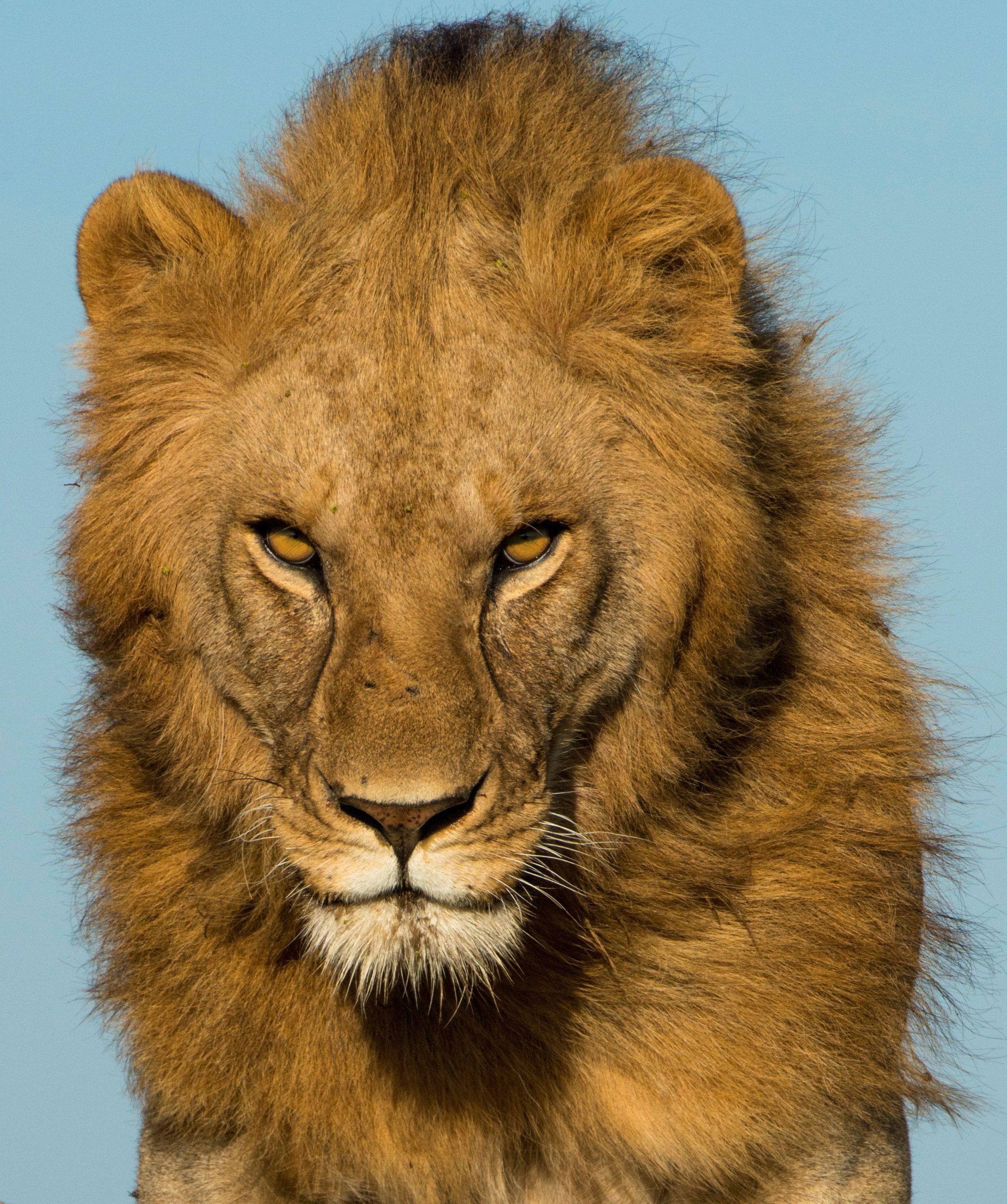
A new study reveals that elephants, rhinos, giraffes, and other wildlife fear this predator far more than lions.
Lions have long been regarded as the apex predators, often referred to as the “king of beasts,” but a new study suggests that on the African savanna, elephants, rhinos, giraffes, and other mammals exhibit greater fear of a different threat: humans.
This finding adds significant weight to the increasing body of evidence from global wildlife research, which indicates that the fear of humans as the “super predator” is widespread among animal populations around the world.
Elephants aggressively approaching, and attacking, speakers broadcasting lion vocalizations. Credit: Liana Zanette / Western University
The Impact of Human Presence
The new findings by Western University biology professor Liana Zanette, in collaboration with one of the world’s leading lion experts, Craig Packer from the University of Minnesota, and others, were published today in Current Biology.
Working in one of the world’s premier protected areas, South Africa’s Greater Kruger National Park, Zanette and her colleagues experimentally demonstrated that local wildlife was twice as likely to run, and abandoned waterholes in 40 percent faster time, in response to hearing human voices compared to hearing lions or hunting sounds (dogs barking or gunshots).
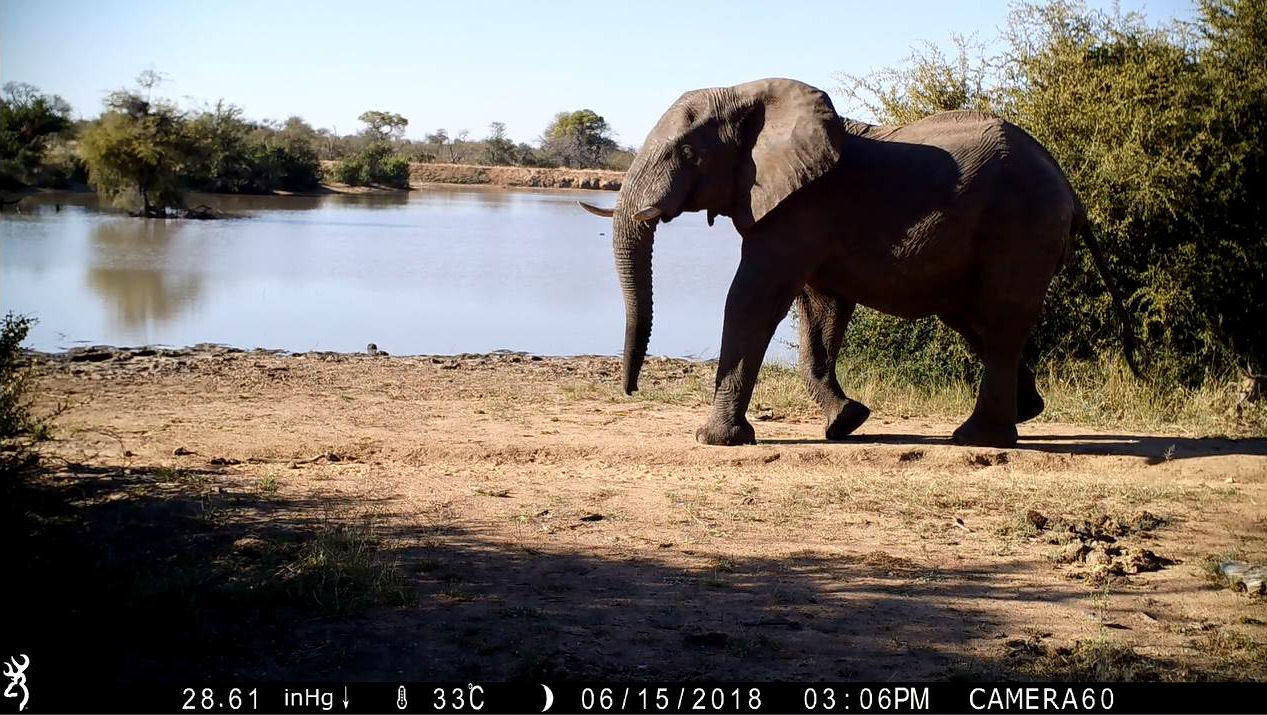
Near 95 percent (94.7) of species ran more or abandoned waterholes faster in response to humans than to lions, with giraffes, leopards, hyenas, zebras, kudu, warthog, and impala all running significantly more from the sound of human voices than the sound of lions, and elephants and rhinos abandoning waterholes significantly faster upon hearing humans than hearing lions.
Rhinoceroses and elephants abandoning waterholes upon hearing humans. Credit: Liana Zanette / Western University
Ecological Consequences and Global Perspective
“These findings add a new dimension to our worldwide environmental impacts,” said Zanette, a renowned wildlife ecologist. “The very substantial fear of humans demonstrated here, and in comparable recent experiments, can be expected to have dramatic ecological consequences, because other new research has established that fear itself can reduce wildlife numbers.”
Global surveys show humans kill prey at much higher rates than other predators, making humans a “super predator.”
Giraffe, leopard, hyena, zebra, kudu, warthog and impala running in response to hearing humans. Liana Zanette / Western University
“Consistent with humanity’s unique lethality, data from North America, Europe, Asia, and Australia, and now our work in Africa, is demonstrating that wildlife worldwide fear the human ‘super predator’ far more than each system’s non-human apex predator, like lions, leopards, wolves, cougars, bears, and dogs,” said Zanette.
To conduct their experiment, Zanette and the team deployed hidden automated camera-speaker systems at waterholes that, when triggered by an animal passing within a short distance (approximately 10 meters or 30 feet), filmed the response of the animal to hearing either humans speaking calmly in locally-used languages, lions snarling and growling, hunting sounds or non-threatening controls (bird calls).
“These results present a significant new challenge for protected areas management and wildlife conservation, because it is now clear fear of even benign humans, like wildlife tourists, can cause these previously unrecognized impacts,” said Zanette.
Reference: “Fear of the human “super predator” pervades the South African savanna” by Liana Y. Zanette, Nikita R. Frizzelle, Michael Clinchy, Michael J.S. Peel, Carson B. Keller, Sarah E. Huebner and Craig Packer, 5 October 2023, Current Biology.
DOI: 10.1016/j.cub.2023.08.089
Never miss a breakthrough: Join the SciTechDaily newsletter.
Follow us on Google and Google News.
3 Comments
I have observed deer being apparently oblivious to gunshots in the distance.
On the other hand, while handling a large gopher snake, it was docile and just tried to get out of my hands. However, when my large dog came running over to see what I had, the snake focused all attention on my dog, and attempted to bite her on the nose. I would say that, from my observations, snakes instinctively fear dogs more than humans.
Predator… predator you said? Is this some kind of website for jokes? Go tell anyone who convinced you about this “PREDATOR” thing why are they giving you such twisted views on humanity. This species is a parasite. Macroparasites. The most hellish parasites in existence. Remember that fact for your next article about animals’ fears.
Predator… predator you said? Is this some kind of website for jokes? Go ask anyone who convinced you about this “PREDATOR” thing why are they giving you such twisted views on humanity. This species is a parasite. Macroparasites. The most hellish parasites in existence. Remember that fact for your next article about animals’ fears.