

Discoveries in the Arctic point to potential antivirulence antibiotics that could help overcome bacterial resistance.
Antibiotics are vital to modern healthcare; without them, anyone with open wounds or undergoing surgery would face a constant risk of dangerous infections. Yet, the rapid evolution of new resistant strains of bacteria has significantly outpaced the discovery of fundamentally new antibiotics, leading to today’s global antibiotic resistance crisis.
Currently, 70% of all licensed antibiotics have been derived from actinobacteria in the soil, and most environments on Earth have not been prospected for them. Thus, focusing the search on actinobacteria in other habitats is a promising strategy – especially if this were to yield novel molecules that neither kill bacteria outright nor stop them from growing, but only reduce their ‘virulence’ or capacity for causing disease. This is because it is hard for targeted pathogenic strains to evolve resistance under these conditions, while such antivirulence compounds are also less likely to cause unwanted side effects.
Innovative Screening Methods
“Here we show how advanced screening assays can identify antivirulence and antibacterial metabolites from actinobacteria extracts,” said Dr Päivi Tammela, a professor at the University of Helsinki, Finland, and the corresponding author of a new study in Frontiers in Microbiology.
“We discovered a compound that inhibits enteropathogenic E. coli (EPEC) virulence without affecting its growth, and a growth-inhibiting compound, both in actinobacteria from the Arctic Ocean.”
Tammela and colleagues developed a new suite of methods that can test for the antivirulence and antibacterial effect of hundreds of unknown compounds simultaneously. They targeted an EPEC strain that causes severe – and sometimes deadly – diarrhea in children under five, especially in developing countries. EPEC causes disease by adhering to cells in the human gut. Once it adheres to these cells, EPEC injects so-called ‘virulence factors’ into the host cell to hijack its molecular machinery, ultimately killing it.
Discoveries from the Arctic Ocean
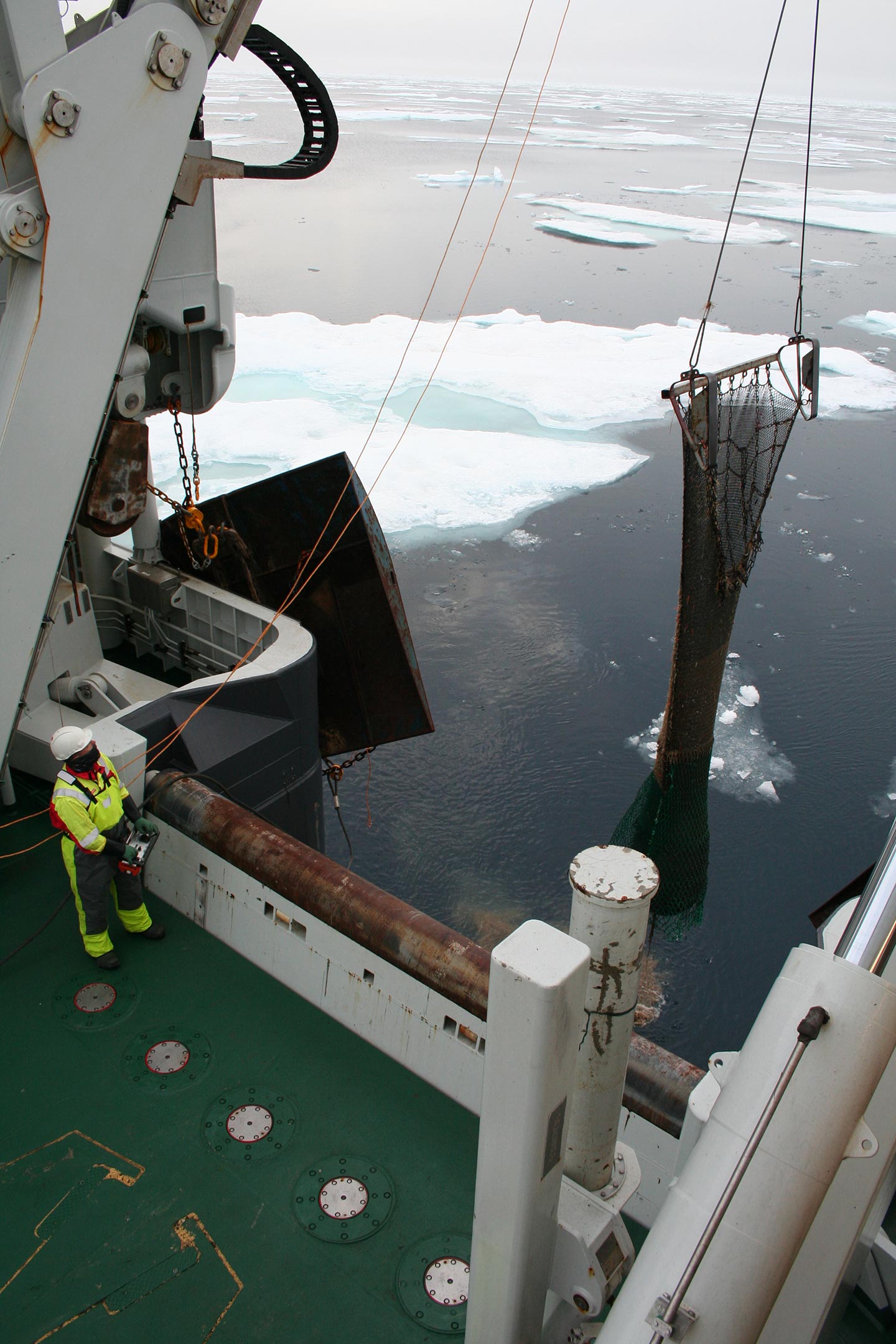
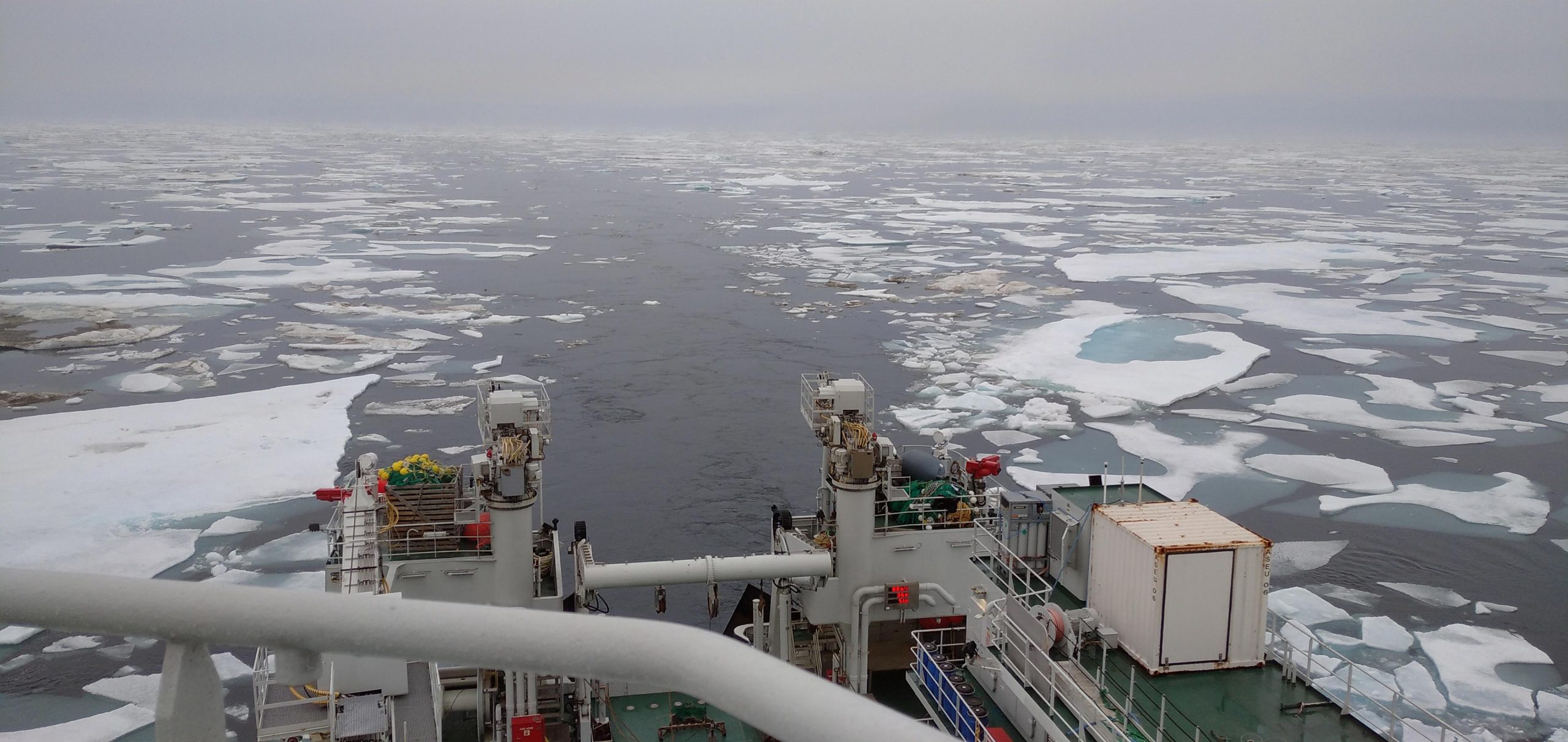
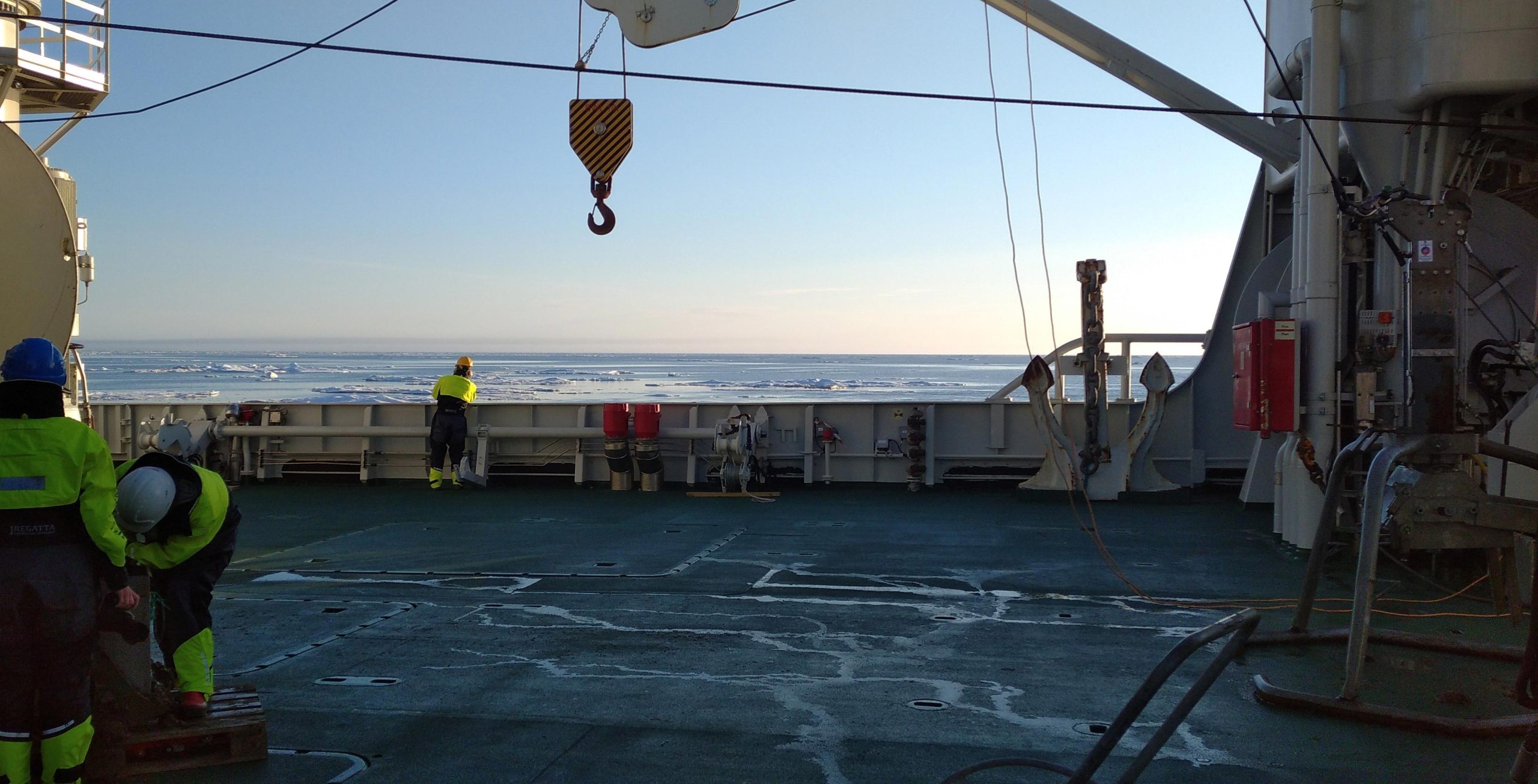
The tested compounds were derived from four species of actinobacteria, isolated from invertebrates sampled in the Arctic Sea off Svalbard during an expedition of the Norwegian research vessel ‘Kronprins Haakon’ in August 2020. These bacteria were then cultured, their cells extracted, and their contents separated into fractions. Each fraction was then tested in vitro, against EPEC adhering to cultured colorectal cancer cells.
The researchers found two unknown compounds with strong antivirulence or antibacterial activity: one from an unknown strain (called T091-5) in the genus Rhodococcus, and another from an unknown strain (T160-2) of Kocuria.
Impact and Potential of Antivirulence Compounds
The compounds showed two complementary types of biological activity. First, by inhibiting the formation of so-called ‘actin pedestals’ by EPEC bacteria, a key step by which this pathogen attaches to the host’s gut lining. Second, by inhibiting the binding of EPEC to the so-called Tir receptor on the host cell’s surface, a step necessary to rewire its intracellular processes and cause disease.
Unlike the compounds from T160-2, the compound from T091-5 didn’t slow down the growth of EPEC bacteria. This means that T091-5 is the most promising strain of the two, as EPEC is less likely to ultimately evolve resistance against its antivirulence effects.

Future Directions in Antibiotic Research
With advanced analytical techniques, the authors determined that the active compound from T091-5 was most likely a phospholipid: a class of fatty phosphorus-containing molecules that play important roles in cell metabolism.
“The next steps are the optimization of the culture conditions for compound production and the isolation of sufficient amounts of each compound to elucidate their respective structures and further investigate their respective bioactivities,” said Tammela.
Reference: “Bioprospecting of inhibitors of EPEC virulence from metabolites of marine actinobacteria from the Arctic Sea” by Tuomas Pylkkö, Yannik Karl-Heinz Schneider, Teppo Rämä, Jeanette Hammer Andersen and Päivi Tammela, 28 June 2024, Frontiers in Microbiology.
DOI: 10.3389/fmicb.2024.1432475
Never miss a breakthrough: Join the SciTechDaily newsletter.
Follow us on Google and Google News.