
Close Menu
    Facebook X (Twitter) Instagram
    SciTechDaily
    • Biology
    • Chemistry
    • Earth
    • Health
    • Physics
    • Science
    • Space
    • Technology
    Facebook X (Twitter) Pinterest YouTube RSS
    SciTechDaily
    Home»Biology»Antibiotic-Free Meat Might Still Be Contaminated with Drug Resistant Bacteria
    Biology

    Antibiotic-Free Meat Might Still Be Contaminated with Drug Resistant Bacteria

    By SciTechDailyFebruary 1, 2012No Comments2 Mins Read
    Facebook Twitter Pinterest Telegram LinkedIn WhatsApp Email Reddit
    Share
    Facebook Twitter LinkedIn Pinterest Telegram Email Reddit
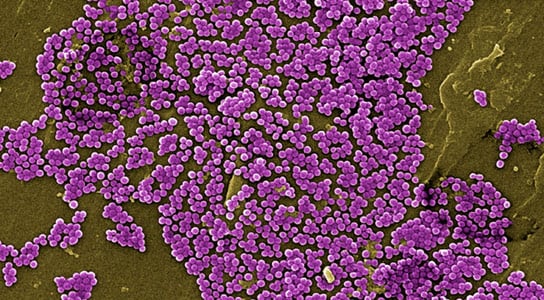
    mrsa-electron-microscope-found-cdc
    Drug-resistant microbes persist in pork labeled as pesticide- and antibiotic-free.

    Pesticide- and antibiotic-free meat fetch premium prices, but a recent study has shown that there is still a prevalence of one of the world’s most dangerous drug-resistant microbe strains in retail pork products labeled as such.

    Methicillin-resistant Staphylococcus aureus (MRSA) is the drug-resistant variant of the harmless S. aureus bacterium and has killed 18,000 people in the USA every year. 76,000 more are sickened by it and most cases are linked to a hospital stay, where the combination of other sick people and surgical procedures puts these patients even more at risk.
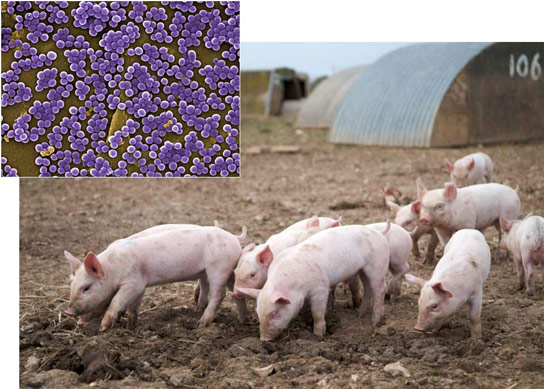
    pigs-mrsa

    Tara Smith, an epidemiologist at the University of Iowa College of Public Health, in Iowa City, studies the movement of bacteria between animals and humans. The study was published in PLoS ONE and she tested a variety of different pork products with her colleagues. 395 packages were tested from 36 different stores in New Jersey, Iowa, and Minnesota.

    They found that 64.8% of the samples were positive for staph bacteria and 6.6% were positive for MRSA. Rates of contamination were similar between conventional and antibiotic-free raised pigs.

    The source of MRSA is difficult to find. Transmission of resistant bugs might occur between antibiotic-using and antibiotic-free operations, especially if they’re near each other. It could also come from the workers themselves.

    Reference: “Methicillin-Resistant Staphylococcus aureus (MRSA) Strain ST398 Is Present in Midwestern U.S. Swine and Swine Workers” by Tara C. Smith, Michael J. Male, Abby L. Harper, Jennifer S. Kroeger, Gregory P. Tinkler, Erin D. Moritz, Ana W. Capuano, Loreen A. Herwaldt and Daniel J. Diekema, 23 January 2009, PLoS ONE.
    DOI: 10.1371/journal.pone.0004258

    Never miss a breakthrough: Join the SciTechDaily newsletter.
    Follow us on Google and Google News.

    Antibiotics Bacteria Epidemiology Food Science Organic Pathogens
    Share. Facebook Twitter Pinterest LinkedIn Email Reddit

    Related Articles

    Microscopic Arms Race: Solving the Mystery Behind Bacteria’s Extensive Weaponry

    Surprising Discovery Proves That Deadly Gene Has Jumped From a Harmless Organism to a Deadly Pathogen

    Tuberculosis Resistance to Backup Drugs Increases

    Brucella Blocked From Bonding With Host, Could Lead to Superbug Cure

    Stimulating Resolution Programs Limit Consequences of Infection

    Understanding Antibiotics and Their Role in Killing Bacteria

    Acorn, White-Footed Mice and Tick Cycle Augment Risks of Lyme Disease in 2012

    Highest Recorded Rates of Drug Resistant Tuberculosis

    NDM-1 Super Bacteria Scares Medical Community in India

    Leave A Reply Cancel Reply

    • Facebook
    • Twitter
    • Pinterest
    • YouTube

    Don't Miss a Discovery

    Subscribe for the Latest in Science & Tech!

    Trending News

    Scientists Uncover Promising New Strategy To Stop Parkinson’s in Its Tracks

    Experts Reveal the Surprising Cancer Link Behind a Common Vitamin

    This Strange “Golden Orb” Found 2 Miles Deep Stumped Scientists for Years

    Giant “Last Titan” Dinosaur Discovered in Thailand Was Bigger Than 9 Elephants

    This “Longevity Gene” May Protect the Brain From Aging and Dementia

    Common Cleaning Chemical Could Triple Your Risk of a Dangerous Liver Disease

    Scientists Discover Bizarre 100-Million-Year-Old Insect With Giant Claws

    Scientists Discover “Good” Gut Microbes That Could Protect Against Autism and ADHD

    Follow SciTechDaily
    • Facebook
    • Twitter
    • YouTube
    • Pinterest
    • Newsletter
    • RSS
    SciTech News
    • Biology News
    • Chemistry News
    • Earth News
    • Health News
    • Physics News
    • Science News
    • Space News
    • Technology News
    Recent Posts
    • The Human Body Isn’t Perfect – It Was Improvised by Evolution
    • Scientists Rewire Donor Stem Cells To Outsmart Aggressive Blood Cancers
    • Scientists Discover Hidden Sleep Switch That Boosts Brainpower, Builds Muscle, and Burns Fat
    • Scientists Turn Wool Into Bone-Healing Material in Medical Breakthrough
    • NASA’s Roman Space Telescope Nears Launch for Epic Hunt Across the Universe
    Copyright © 1998 - 2026 SciTechDaily. All Rights Reserved.
    • Science News
    • About
    • Contact
    • Editorial Board
    • Privacy Policy
    • Terms of Use

    Type above and press Enter to search. Press Esc to cancel.