
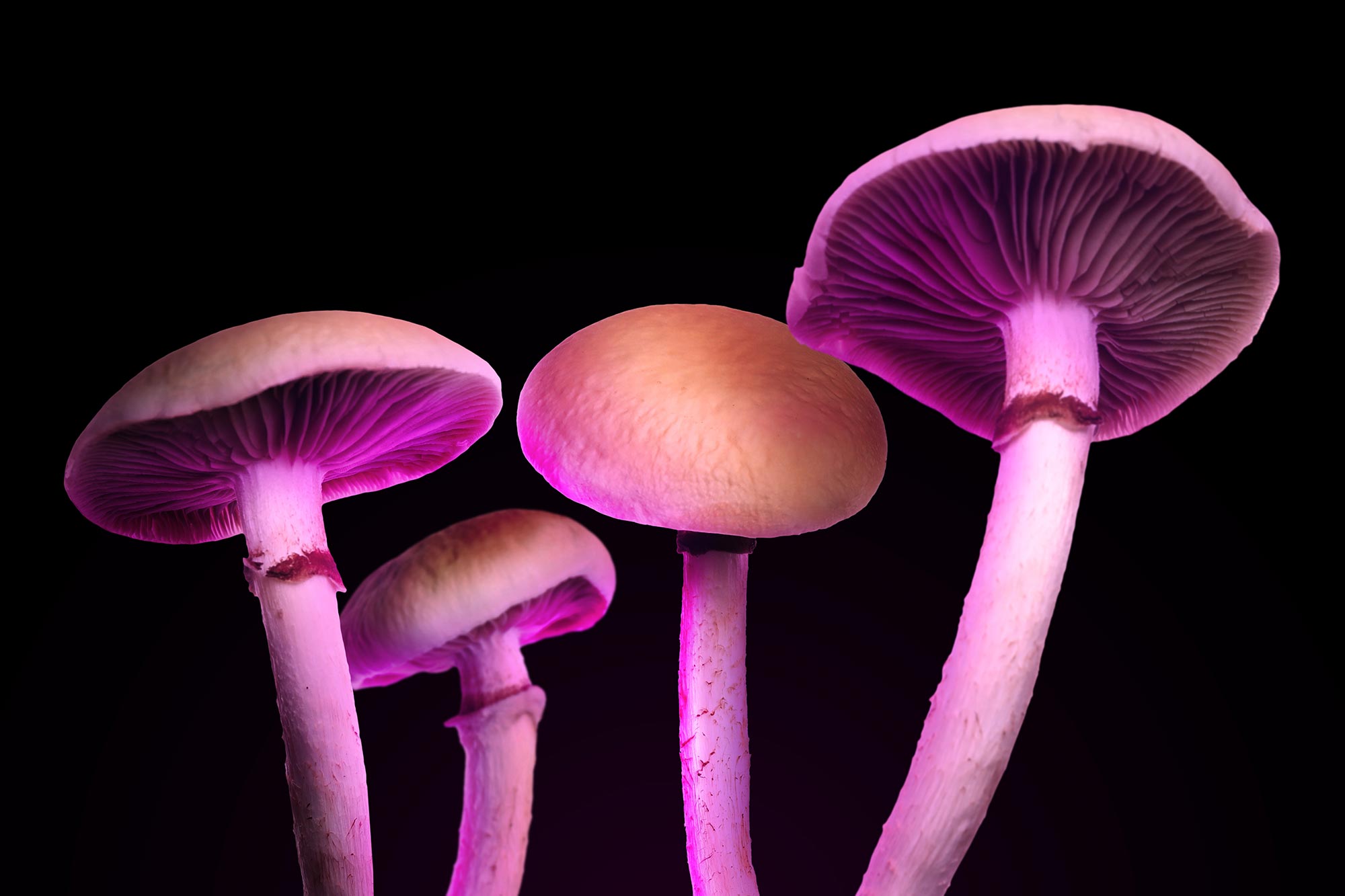
Researchers discovered that psilocybin temporarily increases brain complexity and may reshape neural connections for weeks.
Researchers at UC San Francisco and Imperial College London have found that a single dose of psilocybin, the psychedelic compound in magic mushrooms, may cause physical changes in the brain that last for as long as a month after use.
The study, published in Nature Communications, involved healthy volunteers who had never previously used psychedelics. The findings may help explain why psilocybin has shown promise for treating depression, anxiety, and addiction.
Researchers linked temporary increases in brain “entropy,” meaning a wider variety of neural activity, with greater psychological insight. The results suggest the psychedelic experience itself may play an important role in the drug’s lasting mental health effects.
The team found that high doses of psilocybin increased brain entropy during the hours after participants took the drug. People who experienced larger increases in entropy reported greater emotional insight the following day, and those effects were associated with improved well-being one month later.
“Psychedelic means ‘psyche-revealing,’ or making the psyche visible,” said senior author Robin Carhart-Harris, PhD, the Ralph Metzner Distinguished Professor of Neurology at UCSF. “Our data shows that such experiences of psychological insight relate to an entropic quality of brain activity and how both are involved in causing subsequent improvements in mental health. It suggests that the trip—and its correlates in the brain—is a key component of how psychedelic therapy works.”
Scientists Measure Brain Activity and Insight
Researchers used several brain imaging and monitoring methods before, during, and one month after the psychedelic experience.
None of the 28 participants had a diagnosed mental health condition, allowing researchers to carry out more extensive testing.
During the first stage of the study, participants received a 1 milligram dose of psilocybin, which researchers treated as a placebo. Scientists then monitored brain activity using electroencephalography (EEG), which records electrical signals through electrodes placed on the scalp.
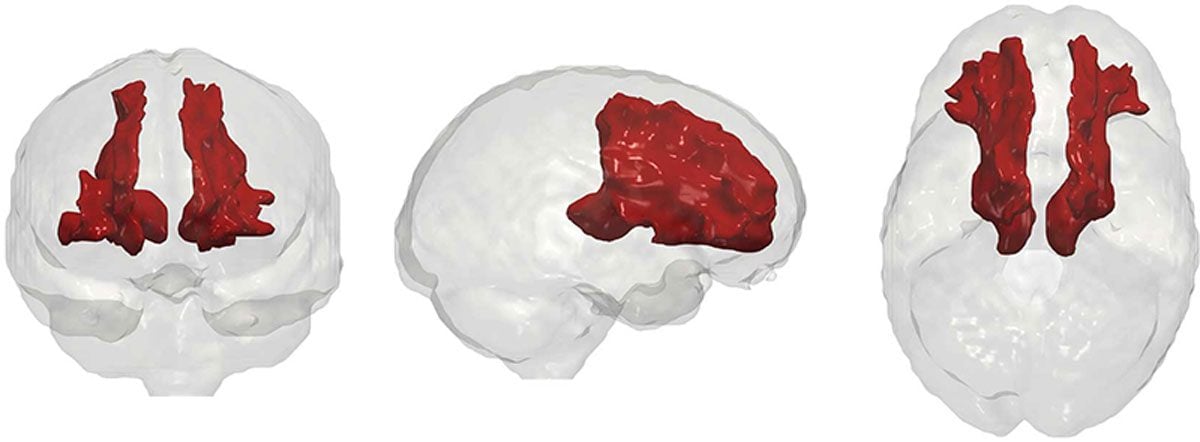
Over the following weeks, researchers evaluated psychological insight, well-being, and cognitive performance. They also examined brain activity using functional MRI (fMRI) and analyzed brain connectivity with diffusion tensor imaging (DTI).
High-Dose Psilocybin Reveals Major Effects
One month after receiving the placebo dose, participants took 25 milligrams of psilocybin, enough to produce a strong psychedelic experience. Researchers again monitored brain activity with EEG during the session and repeated the same follow-up tests in the weeks afterward.
This allowed scientists to directly compare the effects of the psychedelic experience with those of the placebo dose.
Within 60 minutes of taking the 25-milligram dose, EEG scans showed higher brain entropy, suggesting the brain was processing a broader range of information while under the influence of psilocybin.
Brain Connectivity Improved After One Month
One month later, DTI scans showed denser and more organized neural pathways in participants’ brains. Aging typically causes these pathways to become more diffuse, making the findings particularly notable.
Researchers said additional studies are needed to better understand the significance of these structural changes, but they described the results as a previously unseen sign of psychedelics altering the brain.
The day after taking the 25 milligram dose, 27 of the 28 participants described the experience as the “single most” unusual state of consciousness they had ever encountered. The remaining participant ranked it among the top five.
Participants Report Greater Well-Being
Participants also reported greater psychological insight after the 25 milligram dose compared with the 1 milligram placebo dose.
The group reported improved well-being both two and four weeks later. Researchers measured this using responses to statements such as, “I’ve been feeling optimistic about the future” and “I’ve been dealing with problems well.” One month after the study, participants also performed better on tests measuring cognitive flexibility.
“Psilocybin seems to loosen up stereotyped patterns of brain activity and give people the ability to revise entrenched patterns of thought,” said Taylor Lyons, PhD, a research associate at Imperial College London and the first author of the paper. “The fact that these changes track with insight and improved well‑being is especially exciting.”
Insight May Drive Therapeutic Benefits
Researchers found that participants with the largest increases in brain entropy shortly after taking psilocybin were also the most likely to report greater insight the next day and improved well-being one month later. The team concluded that feelings of insight may help drive the long-term mental health benefits.
The findings could help improve psilocybin-based treatments for mental illness by identifying doses that produce the right level of brain entropy to encourage insight.
“We already knew psilocybin could be helpful for treating mental illness,” Carhart-Harris said. “But now we have a much better understanding of how.”
Reference: “Human brain changes after first psilocybin use” by T. Lyons, M. Spriggs, L. Kerkelä, F. E. Rosas, L. Roseman, P. A. M. Mediano, C. Timmermann, L. Oestreich, B. A. Pagni, R. J. Zeifman, A. Hampshire, W. Trender, H. M. Douglass, M. Girn, K. Godfrey, H. Kettner, F. Sharif, L. Espasiano, A. Gazzaley, M. B. Wall, D. Erritzoe, D. J. Nutt and R. L. Carhart-Harris, 5 May 2026, Nature Communications.
DOI: 10.1038/s41467-026-71962-3
This work was funded by philanthropic donations to the Centre for Psychedelic Research, Imperial College London, the Alex Mosley Charitable Trust, and the Beckley Foundation. Carhart-Harris is supported by the Ralph Metzner Distinguished Professorship and philanthropic donations to the Psychedelics Division, Neuroscape, UCSF, plus philanthropic donations to the Carhart-Harris Lab.
Never miss a breakthrough: Join the SciTechDaily newsletter.
Follow us on Google and Google News.
4 Comments
It really does improve brain function, I had brain damage from a childhood 20 minute NDE, Oxygen depravation damaged parts of my brain. After P use I could start to use parts of my brain I couldn’t before and now the damaged parts are no longer evident on my MRI brain scans. I’m almost “normal”. Though I still have ADHD.
“Brain entropy” is non-specific. The brain might be processing more different kinds of information, or neurons may just be firing randomly under the influence of psilocybin. There is not enough information to determine the significance of this observation.
The real point of interest is the DTI scans a month later showing greater density and organization within neural pathways. That potentially could be explanatory for the improved sense of well-being reported by study participants. It would be very interesting to see how long those changes persisted.
My own experiences with psilocybin were some 45 years ago but I continue to believe there has been lasting change as a result of that. I strongly doubt there would be any objective way to verify any of this at this late date. It may have just become part of my personal narrative to explain the results of other types of maturation over the decades.
Can we all have some?
It fun to go on a trip and never leave the farm