
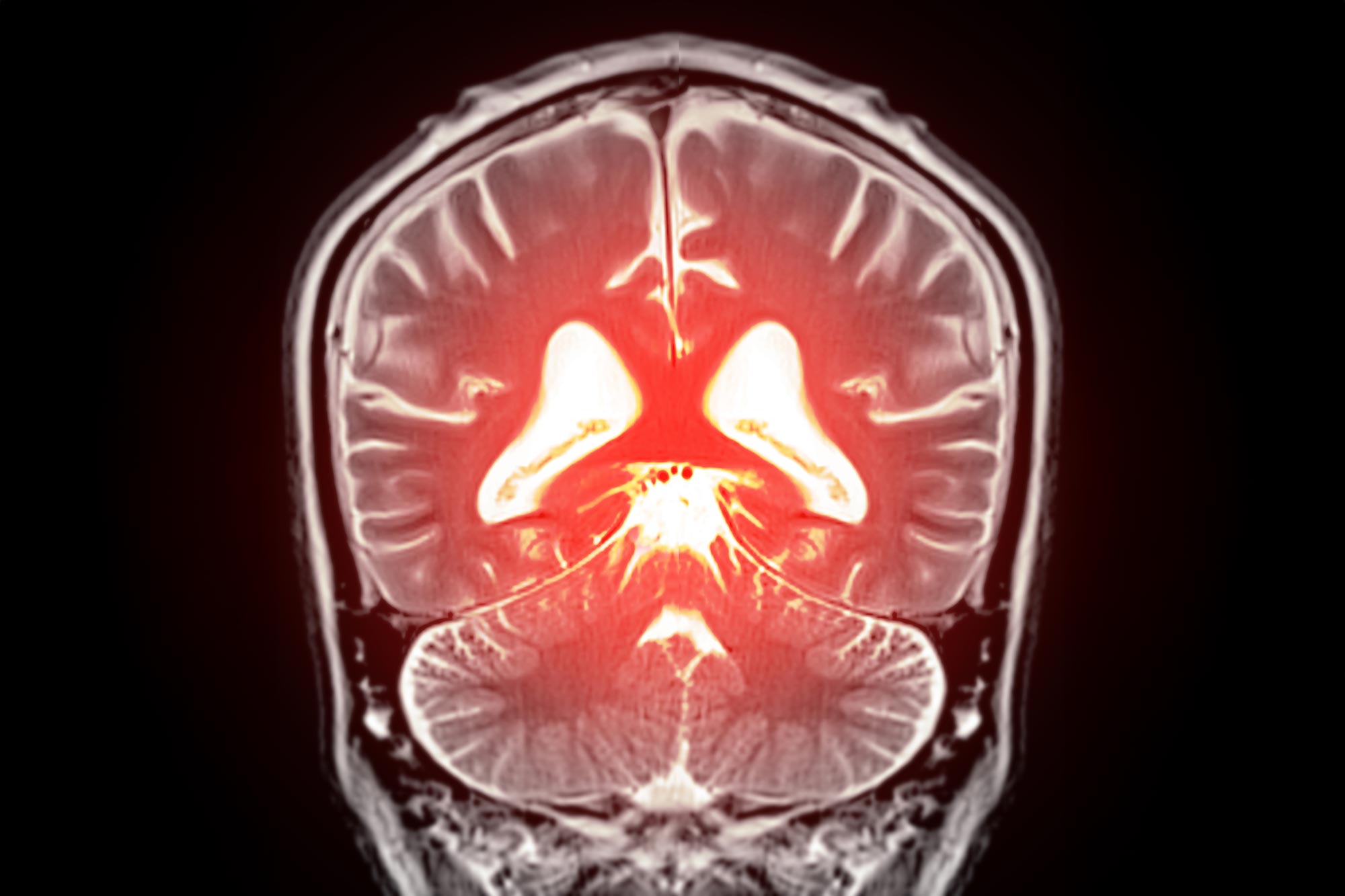
A newly identified protein pathway may link blood-brain barrier deterioration to age-related cognitive decline.
The aging brain depends on a microscopic border that works every second to keep danger out and support the nerve cells inside. When that barrier begins to fail, memory, mood, and thinking may suffer. Andrew A. Pieper, MD, PhD, and colleagues have now traced part of that breakdown to a single protein that appears to help keep the brain’s protective walls intact.
The research, led by the Pieper Laboratory and published in Proceedings of the National Academy of Sciences, was conducted by a research group from University Hospitals, Case Western Reserve University and the Louis Stokes Cleveland VA Medical Center.
The focus is the blood-brain barrier (BBB), a protective structure made from tightly packed endothelial cells that line the brain’s blood vessels. Endothelial cells act like a living seal between the bloodstream and the brain. Maintaining that seal takes energy, but it allows the barrier to block harmful substances and pathogens, clear some waste produced during normal brain activity, and adjust blood flow toward whichever brain regions are working hardest.
Scientists have known for years that these blood-brain barrier functions weaken in the aging brain. However, whether that decline could directly drive cognitive problems, and what molecular change might be setting the process in motion, had remained uncertain. Without that missing cause, designing targeted treatments has been difficult.
KLF4 emerges as a culprit
“At the center of our findings is a protein called KLF4, which is produced by the endothelial cells that line the blood-brain barrier. As people age, endothelial cells lose their ability to generate KLF4. We found that accelerating the loss of KLF4 in endothelial cells also accelerated aging-related BBB degradation and cognitive decline,” said Andrew A. Pieper, MD, PhD, senior author of the study, University Hospitals Morley-Mather Chair of Neuropsychiatry, and Rebecca E. Barchas, MD, DLFAPA, Case Western Reserve University Professor of Translational Psychiatry.

To follow the trail, Pieper and colleagues used advanced two-photon microscopy, a method that lets scientists watch activity in living brain tissue and blood vessels over time. By observing mice at different points across their lifespan, the researchers could ask a crucial question: what happens when endothelial cells lose KLF4 earlier than they normally would?
Loss of KLF4 made the blood-brain barrier leaky, reduced the number of small blood vessels in the brain and impaired the barrier’s ability to match blood flow with neuronal activity. Even in middle-aged mice, these changes were followed by oxidative brain damage, neuroinflammation, nerve cell injury, anxiety, and cognitive decline, features usually associated with much older animals. Oxidative damage refers to chemical stress that harms cells, while neuroinflammation means immune activity in the brain has become harmful rather than protective.
“Loss of endothelial cell KLF4 accelerated every key aspect of brain aging that we measured. This suggests that therapies designed to preserve or restore KLF4 function in endothelial cells may help prevent age-related deterioration of the blood-brain barrier and the cognitive decline that follows,” added Dr. Pieper, who also serves as director of the Brain Health Medicines Center at Harrington Discovery Institute at UH, and psychiatrist and investigator in the Louis Stokes VA Geriatric Research Education and Clinical Center.
Gene changes point to treatment
The next step was to look more closely at the genetic programs affected by the loss of KLF4. Using single-cell RNA sequencing, a technique that reads gene activity cell by cell, Pieper and colleagues found disrupted pathways tied to immune response and blood-brain barrier integrity. That helped explain why KLF4 had such wide effects on brain health rather than influencing only one part of the aging process.
The finding gives researchers a clearer target for future neuroprotective treatments, meaning therapies designed to defend brain cells from damage. The next questions are why KLF4 declines with age and how its activity might be safely strengthened. If those questions can be answered, the work could help guide drug development aimed at preserving the blood-brain barrier and slowing cognitive decline in aging.
Reference: “Endothelial KLF4 depletion drives age-related neurovascular dysfunction and neuropsychiatric impairment” by Matasha Dhar, Edwin Vázquez-Rosa, Kalyani Chaubey, Emiko Miller, Sofia G. Corella, Suwarna Chakraborty, Sunil Jamuna Tripathi, Tapatee Das, Xudong Liao, Mohamed Alkassem Alosman, Hua Fang, Yeojung Koh, Preethy S. Sridharan, Kathryn Franke, Coral J. Cintrón-Pérez, Adrian A. Cintrón-Pérez, Taylor Tomco, Vidya Indrakumar, Phoebe J. Rubin, Justin G. Pieper, Luke A. Ashiku, Min-Kyoo Shin, Xinmiao Tang, Roshan Padmanabhan, Hariprakash Haragopal, Margaret E. Flanagan, Rajan Jain, Bradley D. Winters, Brigid M. Wilson, Bindu D. Paul, Mukesh K. Jain and Andrew A. Pieper, 18 June 2026, Proceedings of the National Academy of Sciences.
DOI: 10.1073/pnas.2426990123
Never miss a breakthrough: Join the SciTechDaily newsletter.
Follow us on Google and Google News.
2 Comments
People not using their brains – adds up over time. If you don’t use it (and keep using it) you lose it.
Truly the amount of chemicals invested by the sad diet and the uninformed about food. It is amazing there is a population at all