
Close Menu
    Facebook X (Twitter) Instagram
    SciTechDaily
    • Biology
    • Chemistry
    • Earth
    • Health
    • Physics
    • Science
    • Space
    • Technology
    Facebook X (Twitter) Pinterest YouTube RSS
    SciTechDaily
    Home»Health»Scientists Identify Key Protein Driving Alzheimer’s Brain Cell Death
    Health

    Scientists Identify Key Protein Driving Alzheimer’s Brain Cell Death

    By University of CologneMarch 8, 20251 Comment3 Mins Read
    Facebook Twitter Pinterest Telegram LinkedIn WhatsApp Email Reddit
    Share
    Facebook Twitter LinkedIn Pinterest Telegram Email Reddit
    Alzheimer's Disease Dementia Concept
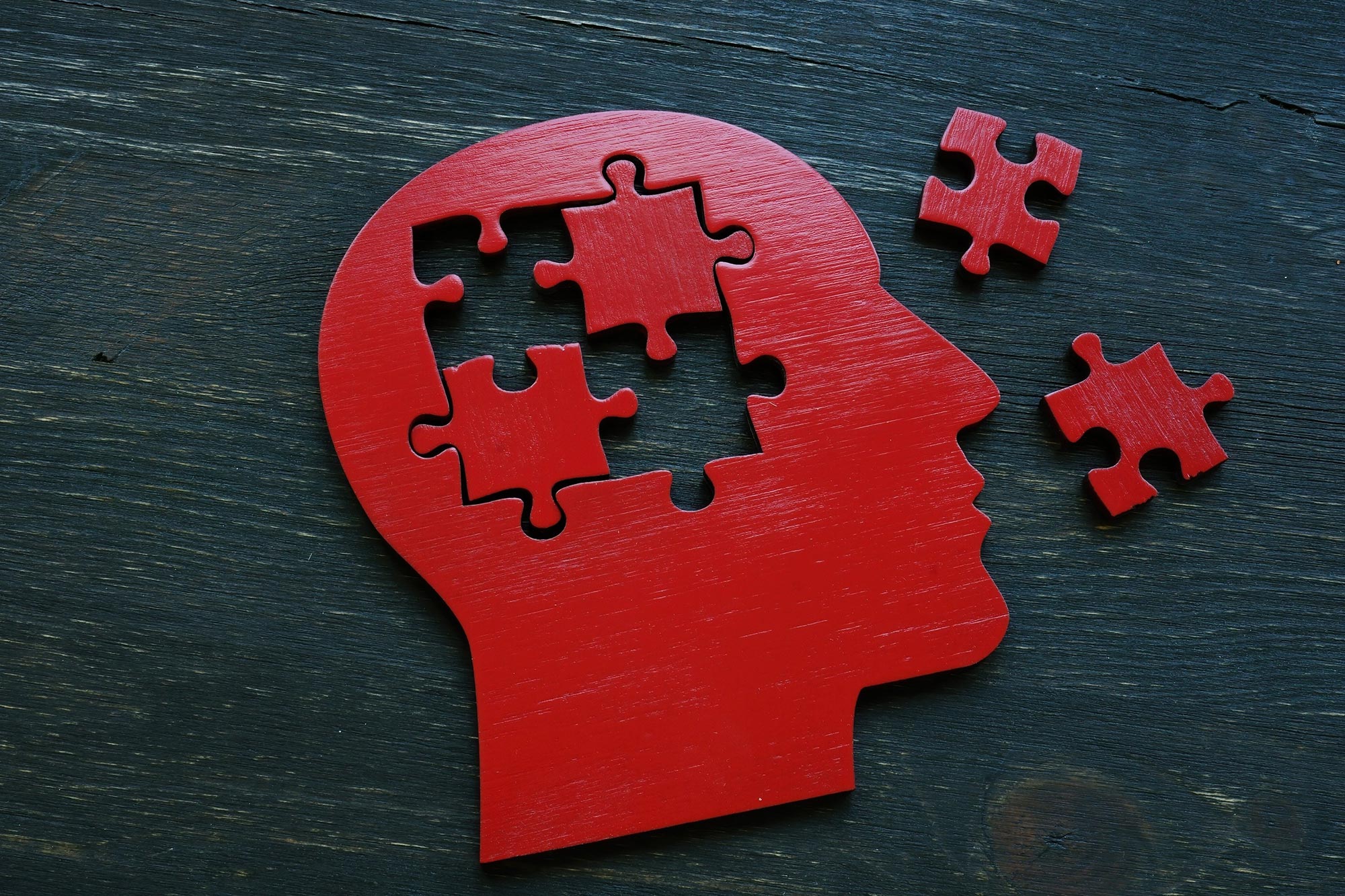
    A research team at the University of Cologne discovered that the 1N4R tau protein isoform plays a key role in Alzheimer’s disease by mediating the toxic effects of protein clumps in brain cells. Using iPSCs and advanced gene-editing techniques, they identified this isoform as a potential target for future treatments.

    Scientists have identified the 1N4R tau isoform as a key driver of Alzheimer’s disease, paving the way for potential new treatments.

    A research team at the University of Cologne has made a key discovery about the role of the tau protein in Alzheimer’s disease. Using human-induced pluripotent stem cells (iPSCs), the team demonstrated that a specific tau protein variant, the 1N4R isoform, is responsible for triggering the toxic effects of protein clumps in human brain cells.

    The findings, published in Alzheimer’s & Dementia, were led by Dr. Hans Zempel from the Institute of Human Genetics. Dr. Zempel is also a group leader in the Career Advancement Program (CAP) at the Center for Molecular Medicine Cologne (CMMC), affiliated with both the University of Cologne and University Hospital Cologne.

    Understanding the Impact of Protein Clumps in Alzheimer’s

    If a person suffers from Alzheimer’s disease, certain proteins accumulate in brain cells, forming clumps that restrict normal cell function or even cause the cell to die. Dr. Buchholz and Dr. Zempel’s team have used state-of-the-art techniques such as CRISPR/Cas9 gene editing and live-cell imaging in human induced pluripotent stem cells (iPSCs) to demonstrate that the 1N4R tau isoform is responsible for the pathological effects on the cell. iPSCs are human stem cells that are generated from other cells.

    For example, skin cells can be reprogrammed into iPSCs and from there transformed into brain cells (neurons). The researchers tested different forms of the tau protein by expressing them specifically in nerve cells. In this way, the researchers were able to analyze how each protein isoform affects the cell.

    A Step Toward New Treatment Targets

    According to Dr Sarah Buchholz, first author of the study, “this study represents a significant advance in helping us to understand the mechanisms of Alzheimer’s disease. By identifying 1N4R tau as a key protein, we have discovered a potential new target for future treatments.”

    The study’s interdisciplinary approach not only helps to better understand Alzheimer’s disease but also demonstrates the importance of human cell models in neurodegenerative research. Further studies are needed to translate the results of this study into clinical application, in particular, to validate the results in adequate animal models and to develop specific therapeutics that will intervene in this process.

    Reference: “The tau isoform 1N4R confers vulnerability of MAPT knockout human iPSC-derived neurons to amyloid beta and phosphorylated tau-induced neuronal dysfunction” by Sarah Buchholz, Mohamed Aghyad Al Kabbani, Michael Bell-Simons, Lena Kluge, Cagla Cagmak, Jennifer Klimek, Natja Haag, Lukas C. Iohan, Audrey Coulon, Marcos R. Costa, Devrim Kilinc and Hans Zempel, 28 February 2025, Alzheimer’s & Dementia.
    DOI: 10.1002/alz.14403

    Never miss a breakthrough: Join the SciTechDaily newsletter.
    Follow us on Google and Google News.

    Alzheimer's Disease Brain Neurology University of Cologne
    Share. Facebook Twitter Pinterest LinkedIn Email Reddit

    Related Articles

    Scientists Discover New Telltale Sign of Alzheimer’s

    Certain Protein May Predict Mild Cognitive Impairment Years Before Symptoms

    Losing Your Sense of Smell – A Potential Warning of Future Memory and Thinking Problems

    Early Menopause May Increase Risk of Alzheimer’s Disease

    Alleviating Symptoms: Brain Stimulation Could Help Treat Alzheimer’s Disease

    Alzheimer’s Breakthrough: New Therapeutic Target Found

    A Diabetes Drug Could Protect Against Alzheimer’s

    Test for Alzheimer’s May Be Undermining Drug Trials

    Disrupted Sleep Patterns Linked to Alzheimer’s

    1 Comment

    1. OKOM. OFODILE on March 9, 2025 10:36 am

      IT SHOULD BE OF SOME INTEREST TO KNOW IF THIS CONCERNED TAU- PROTEIN INTERPLAYS WITH YKL-40 IN THE PATOGENESÌS OF ALZHEIMERS DISEASE

      Reply
    Leave A Reply Cancel Reply

    • Facebook
    • Twitter
    • Pinterest
    • YouTube

    Don't Miss a Discovery

    Subscribe for the Latest in Science & Tech!

    Trending News

    Beyond Pain Relief: Scientists Discover a Protein That Could Stop Osteoarthritis in Its Tracks

    Scientists Discover Why Alcohol Prevents the Liver From Healing, Even After You Quit

    Scientists Stunned As Volcano Removes Methane From the Air

    Scientists Discover Signs Africa May Be Splitting Apart Beneath Zambia

    Common Blood Pressure Drug Supercharges Cancer Treatment in Surprising New Study

    540-Million-Year-Old Fossils Reveal a Huge Surprise About Early Life on Earth

    Scientists Reverse Stroke Damage Using Stem Cells in Breakthrough Study

    Eating One Egg a Day Could Cut Alzheimer’s Risk by 27%

    Follow SciTechDaily
    • Facebook
    • Twitter
    • YouTube
    • Pinterest
    • Newsletter
    • RSS
    SciTech News
    • Biology News
    • Chemistry News
    • Earth News
    • Health News
    • Physics News
    • Science News
    • Space News
    • Technology News
    Recent Posts
    • Scientists Uncover Hidden Biological Differences Between Men and Women’s Immune Systems
    • Scientists Challenge a Long-Held Belief About Why Human Childbirth Is So Difficult
    • Too Much Sleep May Age Your Body Faster, New Study Warns
    • Scientists Uncover Promising New Strategy To Stop Parkinson’s in Its Tracks
    • New Study Reveals How Vitamin D Could Calm Gut Inflammation
    Copyright © 1998 - 2026 SciTechDaily. All Rights Reserved.
    • Science News
    • About
    • Contact
    • Editorial Board
    • Privacy Policy
    • Terms of Use

    Type above and press Enter to search. Press Esc to cancel.