
Close Menu
    Facebook X (Twitter) Instagram
    SciTechDaily
    • Biology
    • Chemistry
    • Earth
    • Health
    • Physics
    • Science
    • Space
    • Technology
    Facebook X (Twitter) Pinterest YouTube RSS
    SciTechDaily
    Home»Health»Scientists Say the Older Brain May Be Optimized for Something Different
    Health

    Scientists Say the Older Brain May Be Optimized for Something Different

    By Association for Psychological ScienceOctober 11, 2026No Comments3 Mins Read
    Facebook Twitter Pinterest Telegram LinkedIn WhatsApp Email Reddit
    Share
    Facebook Twitter LinkedIn Pinterest Telegram Email Reddit
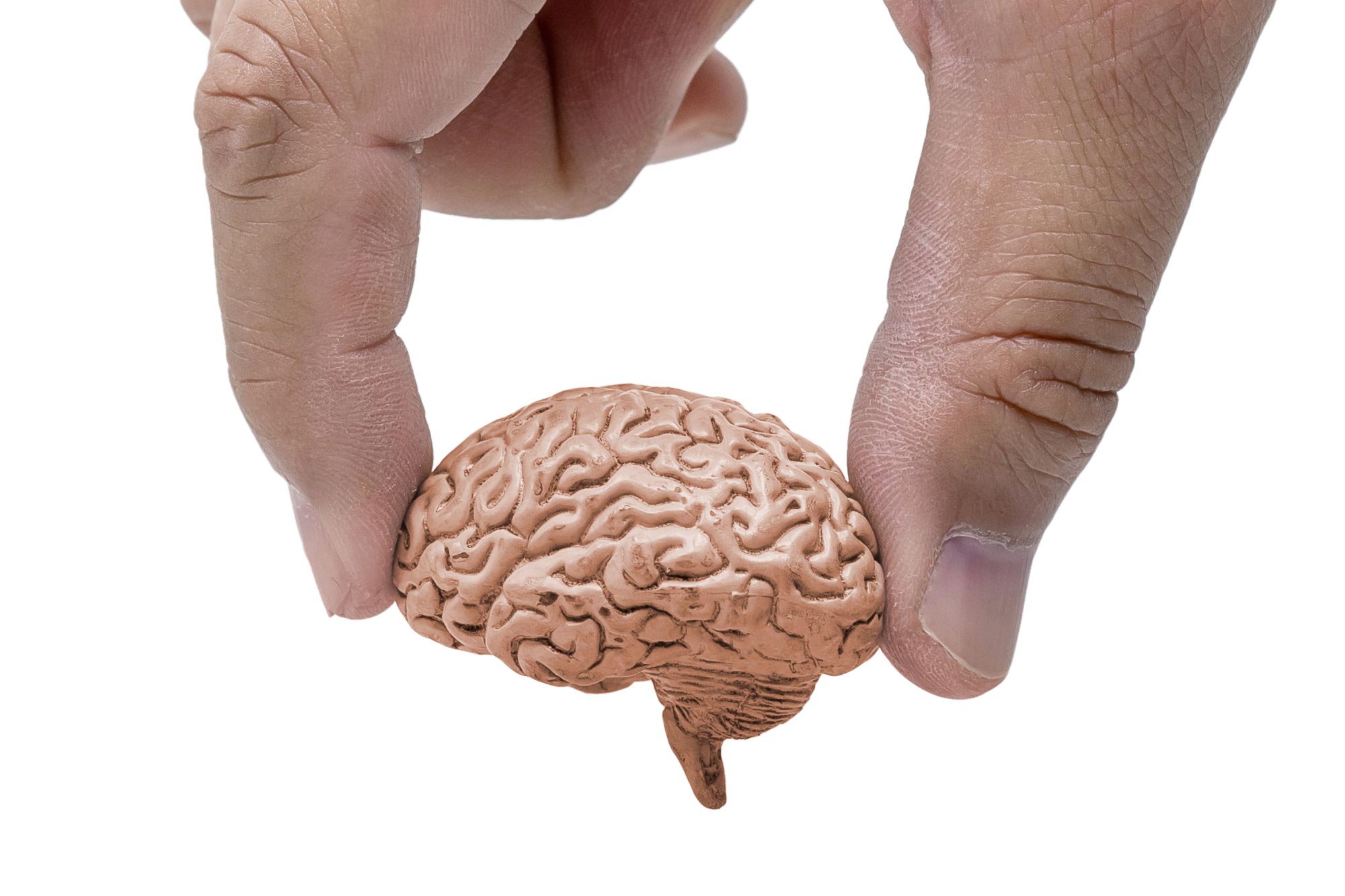
    Hand Holding Human Brain Close Up
    Brain aging is not simply a process of decline. As we grow older, the brain changes how it stores, retrieves, and interprets information, often relying more on accumulated knowledge, broader meaning, and experience. Credit: Shutterstock

    New research suggests that healthy brain aging may reflect a shift in cognitive priorities rather than simple decline.

    The aging brain may not simply be a younger brain in decline. New research from the University of Arizona argues that healthy aging involves a shift in cognitive priorities, with less emphasis on preserving precise details and more on extracting meaning, using accumulated knowledge, and integrating experience.

    Researchers call this the adaptive aging hypothesis. Evidence from molecular biology, neuroimaging, human studies, and animal models suggests that later life may represent a distinct developmental stage rather than a prolonged period of deterioration.

    From Detail to Meaning

    The hippocampus helps encode detailed memories of specific events, while the frontal cortex plays a larger role in organizing concepts and broader meaning. In younger people, strong hippocampal activity helps build a store of knowledge. With healthy aging, the balance appears to shift toward existing knowledge and interpretation.

    “If we look at normative aging as a story of just decline, we are really missing the boat,” said study coauthor Fabian-Xosé Fernandez, an associate professor of cognition and neural systems at the University of Arizona. “The older brain is optimized for different things than the younger brain, predominantly the sharing of stored expertise and social relationships.”

    The researchers suggest this transition could help support teaching, mentoring, storytelling, judgment, and the transfer of knowledge across generations.

    Healthy Aging Is Not Alzheimer’s

    The framework may also help distinguish normal aging from Alzheimer’s disease. Although both can affect memory, the underlying processes appear to differ.

    “When I was in grad school, people thought about Alzheimer’s as a more intense version of cognitive aging, but that is just not the case,” Fernandez said. “They are completely different.”

    In healthy aging, reduced reliance on the hippocampus may be part of the expected shift toward greater frontal cortex involvement. In Alzheimer’s disease, pathological processes involving amyloid and tau may disrupt that transition.

    “In normative aging, hippocampal activation is deemphasized, which is probably what should be happening in a 70-year-old. But in many cases of Alzheimer’s, it turns out the hippocampus is hyperactive,” he said.

    Rethinking Cognitive Aging

    If the hypothesis is correct, trying to make an older brain process information exactly like a younger one may overlook its changing strengths. The researchers argue that later life may favor broad understanding, established knowledge, and social connection over exact recall of every detail.

    “People see older individuals and look at them as not being on par with younger individuals across a lot of metrics,” Fernandez says. “The way I look at it is that you’ve got someone with a brain that has been active for several decades and has seen a lot. There is tremendous value there, and we don’t do a good job of unlocking it.”

    Reference: “Aging as a Continuation of Development: A Hypothesis and Framework” by Fabian-Xosé Fernandez, Sara N. Burke and Lynn Nadel, 3 September 2026, Perspectives on Psychological Science.
    DOI: 10.1177/17456916261469175

    Never miss a breakthrough: Join the SciTechDaily newsletter.
    Follow us on Google and Google News.

    Alzheimer's Disease Association for Psychological Science Brain Memory Neurology
    Share. Facebook Twitter Pinterest LinkedIn Email Reddit

    Related Articles

    Rethinking Alzheimer’s: New Evidence Challenges a Long-Held Belief About Memory Loss

    Alzheimer’s Breakthrough: Scientists Identify Key Enzyme That Links Brain Inflammation to Memory Loss

    Reviving Brain Circuits: UCLA Scientists Discover Memory-Restoring Molecule for Alzheimer’s Disease

    Mayo Clinic Defines New Memory Loss Syndrome Affecting Older Adults

    Secondary Infections Inflame the Brain, Worsening Cognition & Memory in Alzheimer’s Disease

    Neuroscientists Discover Promising Way to Restore Cognitive Function Impaired by Alzheimer’s Disease

    Blocking HDAC2 Enzyme May Reverse Memory Loss Caused by Alzheimer’s Disease

    Test for Alzheimer’s May Be Undermining Drug Trials

    Disrupted Sleep Patterns Linked to Alzheimer’s

    Leave A Reply Cancel Reply

    • Facebook
    • Twitter
    • Pinterest
    • YouTube

    Don't Miss a Discovery

    Subscribe for the Latest in Science & Tech!

    Trending News

    Scientists Find an Unexpected Way To Fight Knee Arthritis

    Look Up: Dragon Fireballs, Disappearing Planets, Hunter’s Moon Fill October’s Spooky Skies

    Hubble Spots a Bizarre Galaxy Whose Center Rotates Sideways

    Humpback Whale Mother Stays Beside Her Dead Calf in Heartbreaking Encounter

    A Giant Diplodocus Just Turned Up Where Scientists Never Expected

    Red Meat Contains a Sugar Humans Can’t Make – Scientists Think It May Trigger Inflammation

    This Strange New Magnetism Could Change How Computers Work

    Scientists Decode a 12,000-Year-Old Mystery Hidden in Ancient Spear Points

    Follow SciTechDaily
    • Facebook
    • Twitter
    • YouTube
    • Pinterest
    • Newsletter
    • RSS
    SciTech News
    • Biology News
    • Chemistry News
    • Earth News
    • Health News
    • Physics News
    • Science News
    • Space News
    • Technology News
    Recent Posts
    • Scientists Say the Older Brain May Be Optimized for Something Different
    • Scientists Discover an Unexpected New Way To Fight Alzheimer’s Before It Starts
    • Sleeping Less Than 5 Hours Was Linked to Higher Risk of 37 Diseases
    • Scientists Say the Secret to a Happier, Healthier Society May Begin in Childhood
    • This Crystal Uses Sunlight To Turn Water Into Clean Hydrogen
    Copyright © 1998 - 2026 SciTechDaily. All Rights Reserved.
    • Science News
    • About
    • Contact
    • Editorial Board
    • Privacy Policy
    • Terms of Use

    Type above and press Enter to search. Press Esc to cancel.