
Scientists at the University of Bath have used nature as inspiration in developing a new tool that will help researchers develop new pharmaceutical treatments in a cleaner, greener, and less expensive way.
Drug treatments often work by binding to proteins that play a role in diseases, thereby inhibiting their function. This process can either alleviate symptoms or directly treat the condition.
Instead of relying on traditional small molecule drugs, which often struggle to disrupt protein interactions, the pharmaceutical industry is exploring the use of small proteins called ‘peptides’. These peptides operate in a similar manner, offering a potentially more effective way to block these interactions.
Challenges with Peptides and Proteins
However, peptides and proteins often don’t make very good drugs because their 3D structures can unravel, they are sensitive to high temperature and can be difficult to get inside the body’s cells, where many exciting but challenging drug targets are found.
Now scientists at the University of Bath have developed a way to get around this problem; normally proteins and peptide strands have a start and an end – by joining these loose ends together, it is possible to create very rigid “cyclic” proteins and peptides which improves heat and chemical stability as well as making it easier to get them into cells.
Utilizing Plant Enzymes for Mass Production
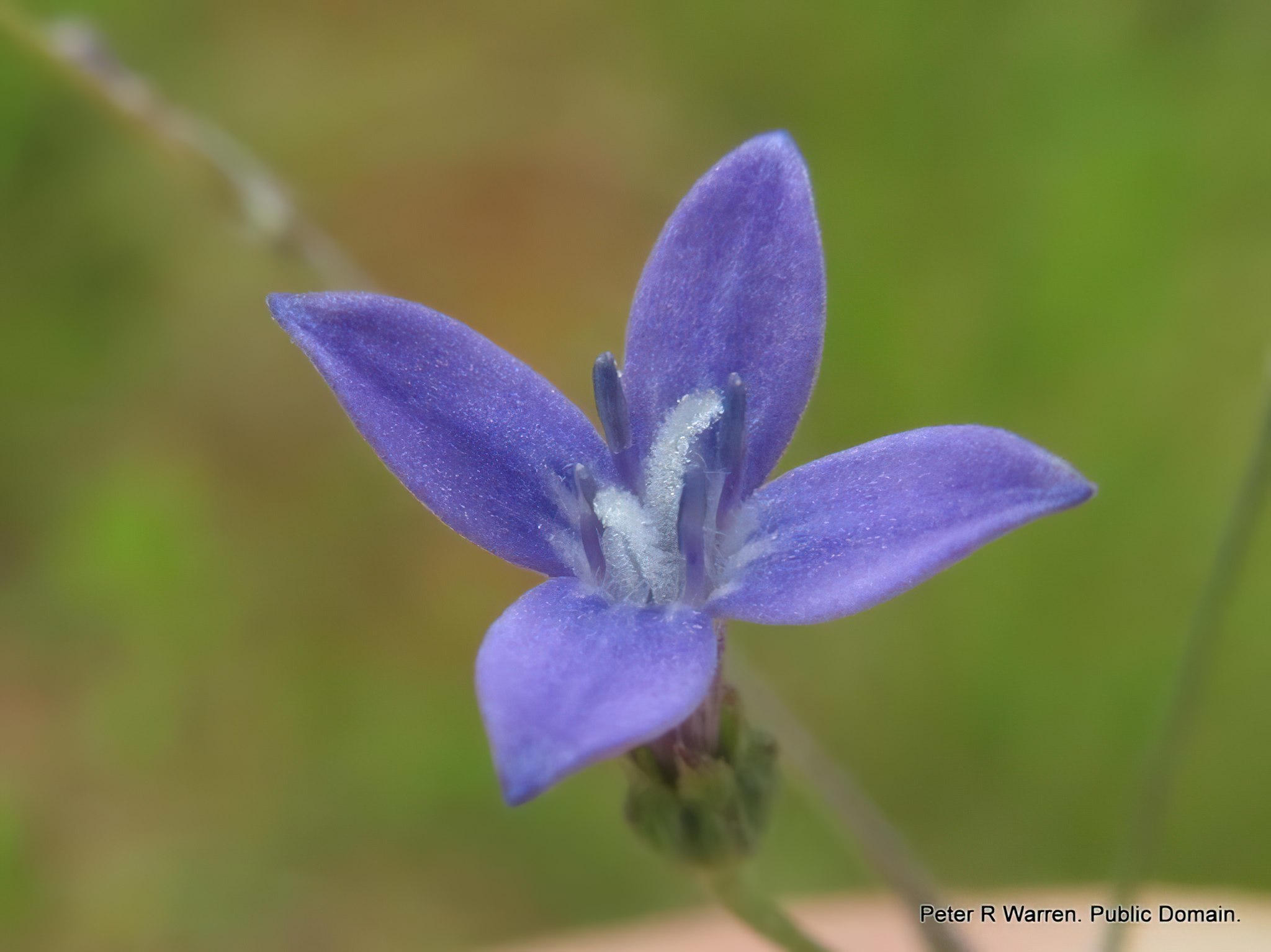
They took an enzyme called OaAEP1 from Oldenlandia affinis, a small purple flower that grows in the tropics, and modified it before transferring it into bacterial cells. These bacterial cultures were grown so they could mass-produce a protein whilst simultaneously joining up the ends in a single step.
Plants can do this process naturally, but it is slow and low-yielding. Alternatively, cyclization can be done chemically by isolating the enzyme and then mixing multiple reagents in a test tube, but this requires multiple steps and uses toxic solvent chemicals.
Simpler and Cheaper Bacterial System
Putting the entire process into a bacterial system increases the yield, uses more sustainable biologically friendly reagents and requires fewer steps. It is therefore much simpler and cheaper.
To demonstrate the approach, the scientists applied their bacterial OaAEP1 technology to a protein called DHFR, and found that joining together its head and tail ends made it more resistant to temperature changes whilst still retaining its normal function.
Expert Insights on the Advancement
Professor Jody Mason, from the University of Bath’s Department of Life Sciences, said: “Proteins and peptides are generally quite sensitive to heat, but cyclization makes them much more robust. The Oldenlandia plant naturally makes cyclic proteins as part of a defense mechanism to deter predators. So we’ve harnessed this flower superpower by modifying OaAEP1 and combining it with existing bacterial protein-producing technology to create a really powerful tool that will help the drug discovery industry.”
Dr. Simon Tang, a Research Associate from the University of Bath’s Department of Life Sciences, said: “Proteins and peptides are very promising as drug candidates, but a significant bottleneck for the development of new therapeutic treatments is producing enough of the stuff to reach patients without incurring an astronomical cost.
“Our new process lets the bacteria do all the work – the result is it’s also cleaner and greener, and because it has fewer steps, it is a lot simpler to do. We’re really excited about the potential applications of this, not only for the pharmaceutical industry but other industries such as the food industry, detergent industry, in biotechnology, and in bioenergy production.”
Reference: “Intracellular Application of an Asparaginyl Endopeptidase for Producing Recombinant Head-to-Tail Cyclic Proteins” by T. M. Simon Tang and Jody M. Mason, 20 November 2023, JACS Au.
DOI: 10.1021/jacsau.3c00591
The researchers have filed a patent for the technique.
The study was funded by the Biotechnology and Biological Sciences Research Council.
Never miss a breakthrough: Join the SciTechDaily newsletter.
Follow us on Google and Google News.