
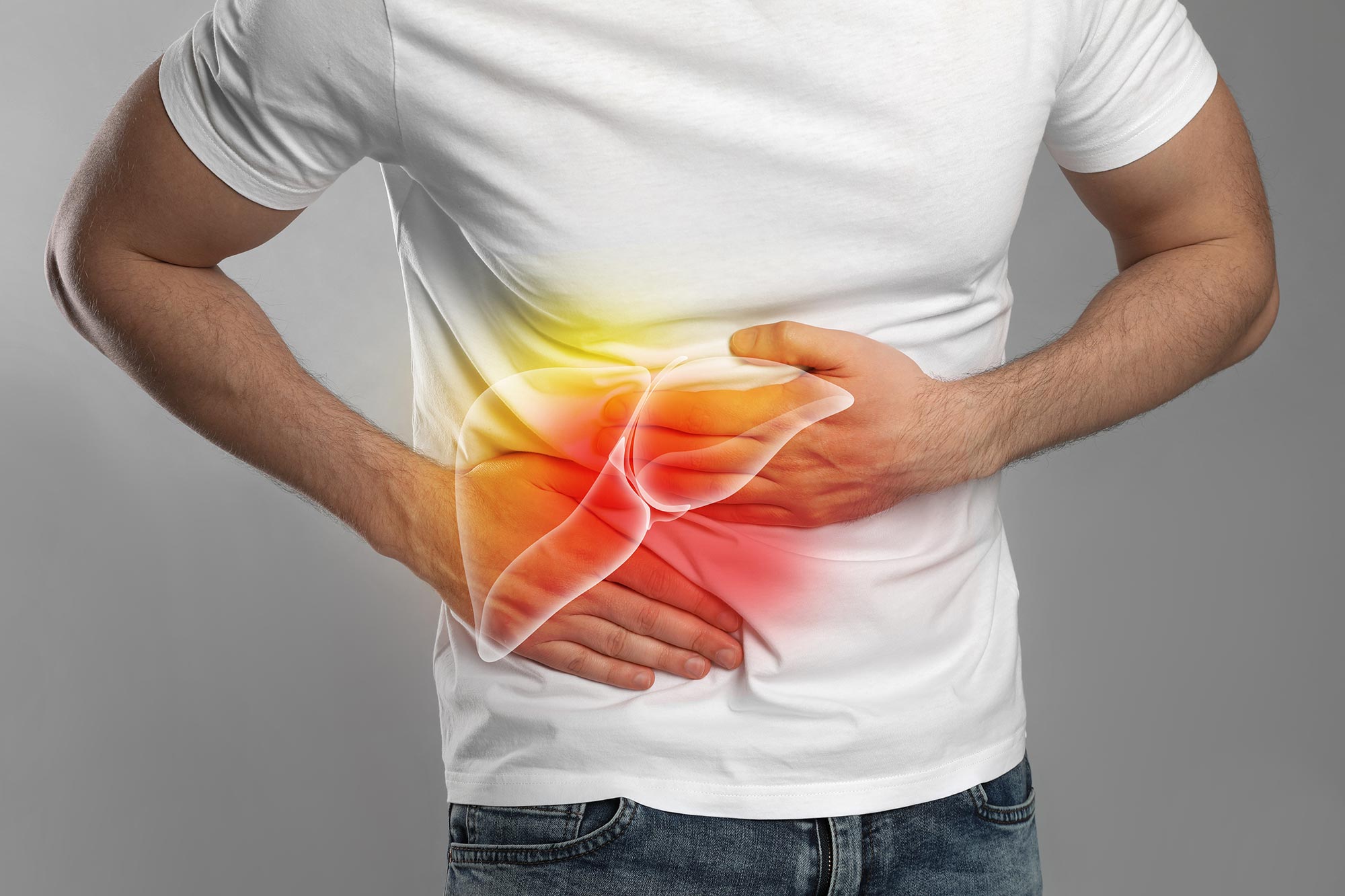
U.S. poison centers have recorded a sharp long-term rise in liver injuries linked to medications and other foreign substances, with most severe enough to require inpatient care.
Reports to U.S. poison centers involving liver damage from medications, supplements, alcohol, and other substances rose nearly 400% between 2000 and 2024, according to research from UVA Health.
Christopher P. Holstege, MD, of UVA Health and his colleagues examined liver injuries caused by “xenobiotics,” substances that are foreign to the body. These include medications, food additives, alcohol, and environmental pollutants.
More than 80% of the reported liver injuries led to inpatient care, and medications accounted for most cases. Acetaminophen was the substance implicated most often.
“Xenobiotic-induced liver injuries reported to U.S. poison centers have steadily increased,” said Holstege, director of UVA Health’s Blue Ridge Poison Center. “The public should be aware of potential liver injury with various substances that are readily available to consumers.”
Across the 24 years examined, Holstege and his colleagues identified 220,160 cases of xenobiotic-related liver injury. After adjusting for population size, exposure rates climbed from 10.9 cases per million people to 52.9 per million.
Regulation reduced combination drug exposures
One notable shift followed action by the U.S. Food and Drug Administration. After the agency limited how much acetaminophen could be included in combination prescription medicines, exposures involving these products fell significantly, by 60% to 85%. Potentially harmful exposures involving acetaminophen alone, however, continued to rise throughout the 24 years.
The pattern suggests that regulation successfully reduced liver injuries associated with combination products while acetaminophen by itself remains a major contributor to cases reported to poison centers.
Women had higher rates of acetaminophen-associated liver injury than men, and suspected suicide was the most common reason for exposure in both sexes.
“Liver injuries reported to poison centers has increased substantially over the past 25 years, with acetaminophen emerging as a growing contributor,” Holstege said. “Our study findings highlight the important role poison centers play in toxico-surveillance.”

Alcohol and other exposures also increased
Alcohol ranked a distant second among the leading causes of reported liver injury. Cases involving alcohol occurred more often in men than women, although injuries increased among both sexes during the COVID-19 pandemic.
The researchers also recorded rising numbers of liver injuries involving stimulants and street drugs, herbal and dietary supplements, and environmental toxins. These cases remained far less common than those linked to acetaminophen and alcohol.
“Medications should always be taken as directed by clinicians and per pharmaceutical label instructions,” Holstege said. “Care must also be taken in consuming emerging substances that are unregulated. More studies are warranted to determine if specific populations are more at risk of liver injury.”
Reference: “Xenobiotic-Induced Liver Injury in the United States: A 25-Year Retrospective Analysis of National Poison Data System” by Eleanor Blair Towers, Christopher P. Holstege, Scott Schmalzried and Rita Farah, 13 August 2026, Clinical Gastroenterology and Hepatology.
DOI: 10.1016/j.cgh.2026.07.032
Never miss a breakthrough: Join the SciTechDaily newsletter.
Follow us on Google and Google News.
5 Comments
Better known as Akamol
Trump has press release to tell the world that Tylenol will kill your babies which results in calls to US Poison Centers about Tylenol increasing about 400%. This is not news, nor medical science, nor journalism.
Maybe that is because the medical profession is a joke…overpaid veterinarians parading around like they know what is best for everyone….65% of all doctors could be replaced with a digital kiosk and nothing would change except better service scores…30% of the remaining 35% could be replaced by trained monkeys…again with no change except a higher bedside score….the remaining 5% are actually needed in the field…Everyone in the medical field became bobbleheads when they were unnecessarily praised for doing their preferred job during covid…
Perhaps the number of liver injuries would come down if idiot medical personnel quit telling everyone who goes to the e.r. with serious pain to take tylenol…have a swollen sprain…take tylenol…have a broken leg…take tylenol…compound fracture…take tylenol…had a 3 level fusion…take tylenol….
And then stupid articles such as this are written to tell medical professionals that people are taking too much 🙄
Physicians are not veterinarians. You have to tell them where it hurts.
You oughta’ maybe take the place of a Dr. and see how that works out for their patients.