
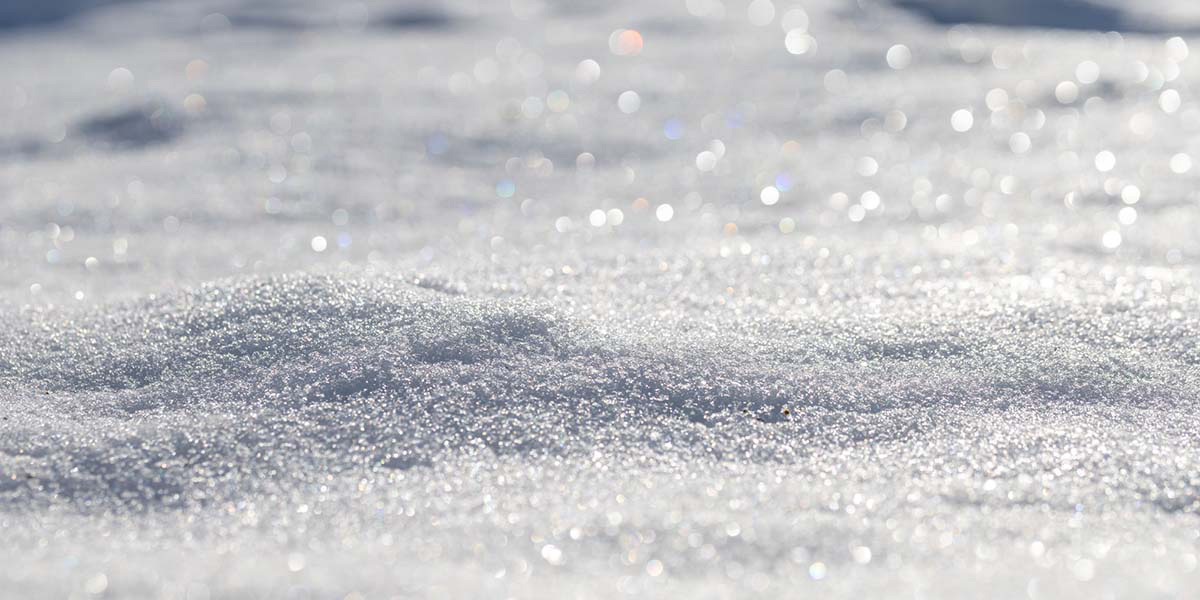
Understanding the optical properties of snow may unlock advancements ranging from enhanced snow removal techniques to heightened avalanche safety.
One might think that snow, of all things, is easy to describe: it is cold, white and covers the landscape like a blanket. What else is there to say about it?
A lot, according to Mathieu Nguyen. He has just defended his doctoral thesis on the optical properties of snow at the Norwegian University of Science and Technology (NTNU) in Gjøvik.
“Snow reflects all wavelengths of light and can have very different colors depending on the conditions and the angle at which light hits it. The age and density of the snow and air pollution also affect what it looks like. Snow’s appearance is a very complicated matter,” says Nguyen.
He has analyzed over a thousand images of snow. “This type of method can be used in a number of sensor technologies that include everything from giving us a better decision-making basis for when roads should be cleared to monitoring the risk of an avalanche in the mountains more closely.”
A landscape of mirrors
Among other things, Nguyen has studied how snow absorbs and reflects light, and the way the sun makes snow crystals sparkle has been of particular interest.
He believes the beautiful appearance of winter landscapes may hold the key to answering a number of questions that have puzzled researchers for many years.
But first, what is it that makes the snow sparkle on bright sunny days?
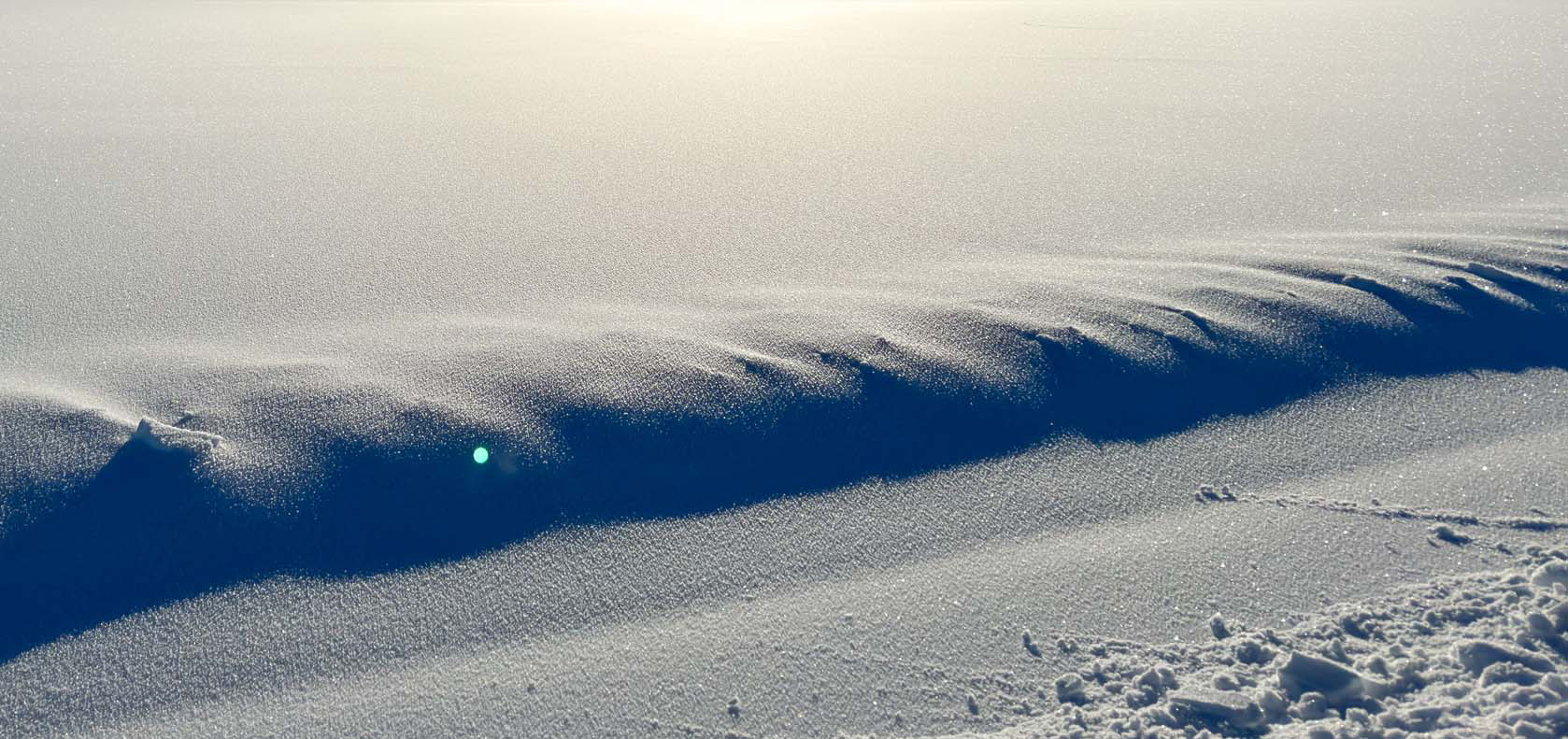
“Snow is an accumulation of ice crystals. When conditions are just right, they act like tiny mirrors. If they are at the right angle, they reflect the sunlight directly towards you and shine like ‘sparks’ in the landscape,” says Nguyen.
Huge potential
Many studies have been conducted on how different metals sparkle in this way, but the sparkle in snow is still poorly understood.
“If we are to have fully autonomous cars here in Norway, this type of technology will also contribute to safer travel on winter roads,” says Nguyen.
Nguyen has therefore sought to find out how these sparkles vary in contrast and density in images of snow in different conditions. He hopes it will provide an analysis method that enables us to classify different types of snow from images.
This is not currently possible.
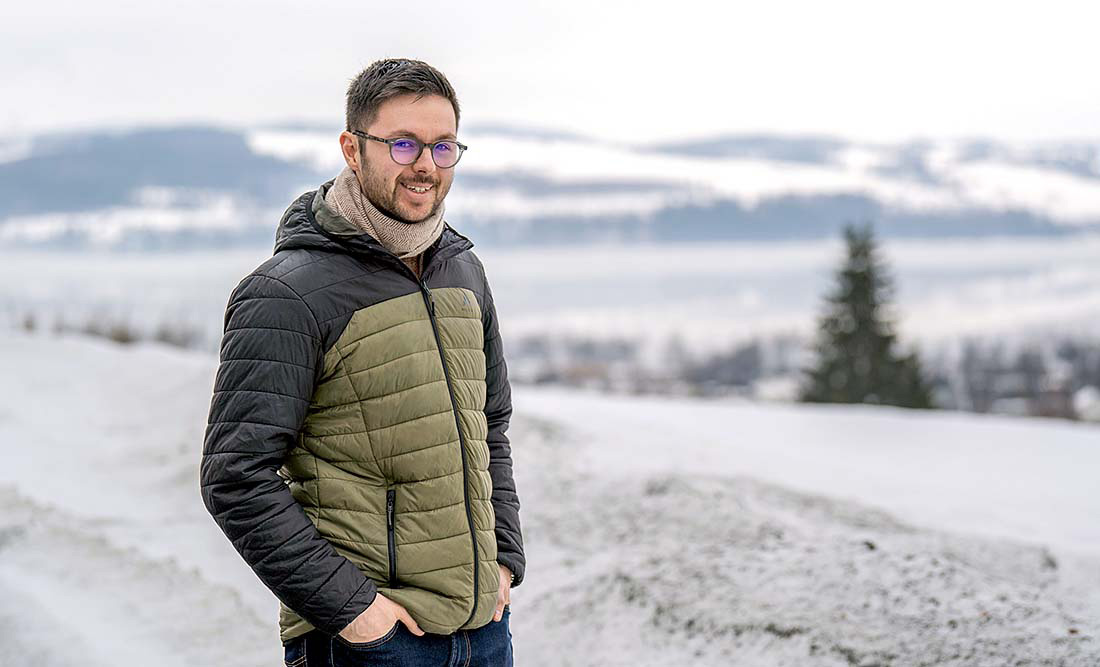
“This type of method can be used in a number of sensor technologies that include everything from giving us a better decision-making basis for when roads should be cleared to monitoring the risk of an avalanche in the mountains more closely. If we are to have fully autonomous cars here in Norway, this type of technology will also contribute to safer travel on winter roads,” says Nguyen.
Requires images from all over the world
So far, the researchers have only collected data from various places in eastern Norway. The results are promising and show that sparkling can be used to classify the grain size of the snow.
However, being able to classify the type of snow more precisely requires a far larger volume of data than they have worked on so far. Preferably with images from all over the world.
“It will be important to get images from other places where the environment is different. Understanding how different levels of pollution play a role in the appearance and properties of snow will be crucial,” says Nguyen.
An experience for the future
In addition to being difficult to interpret from images, snow has long proved surprisingly challenging to reproduce digitally.
“The artificial representations we have of snow in computer games and simulators today are not much better than white surfaces,” says Nguyen.
His findings have also shown promising results in this area. He believes his work will provide people who do not have access to snow with good winter experiences – also in a future where there might be a lot less snow.
According to the Norwegian Meteorological Institute, more than one million Norwegians in 2050 will live in places where there is less than one month of winter conditions. In addition, a recent study in the journal Nature confirmed that the entire Northern Hemisphere is facing a future with less snow as a result of anthropogenic climate change.
“If we are to teach someone who may never have seen snow before what it is, we must be able to reproduce it in all its complexity,” says Nguyen.
Reference: “Exploring Imaging Methods for In Situ Measurements of the Visual Appearance of Snow” by Mathieu Nguyen, Jean-Baptiste Thomas and Ivar Farup, 28 January 2024, Geosciences.
DOI: 10.3390/geosciences14020035
Never miss a breakthrough: Join the SciTechDaily newsletter.
Follow us on Google and Google News.