
Close Menu
    Facebook X (Twitter) Instagram
    SciTechDaily
    • Biology
    • Chemistry
    • Earth
    • Health
    • Physics
    • Science
    • Space
    • Technology
    Facebook X (Twitter) Pinterest YouTube RSS
    SciTechDaily
    Home»Biology»Study Finds Reasons for Plant Extinction Vary Across the World and Over Time
    Biology

    Study Finds Reasons for Plant Extinction Vary Across the World and Over Time

    By University of TyumenNovember 6, 2019No Comments3 Mins Read
    Facebook Twitter Pinterest Telegram LinkedIn WhatsApp Email Reddit
    Share
    Facebook Twitter LinkedIn Pinterest Telegram Email Reddit
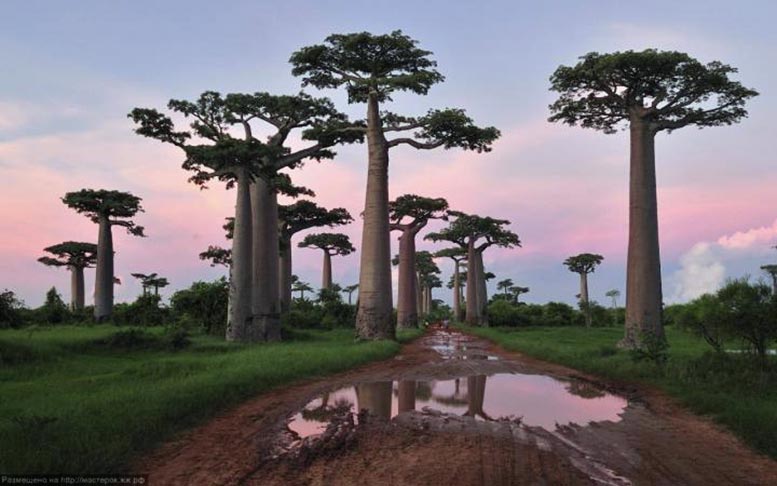
    Endangered Trees, Palmate Adansonia
    One of the endangered trees, palmate adansonia.
    Credit: Thomas Marent

    A team of Russian researchers from Tyumen State University together with foreign colleagues studied the cases of plant extinction in world biodiversity hotspots and coldspots.

    Species have been going extinct on our planet since the beginning of life on it. However, the rate of extinction considerably increased with the rise of the human population. Humans affect the biosphere and cause large alterations in it. These changes destroy habitats, cause biological invasions into ecosystems, and accelerate the extinction of many species. These processes may differ depending on the region and might affect plant diversity. In this study, a team of researchers from Tyumen State University and their foreign colleagues investigated such differences in world biodiversity hotspots (predominantly regions with Mediterranean-type of climate) and coldspots (predominantly Eurasian countries).
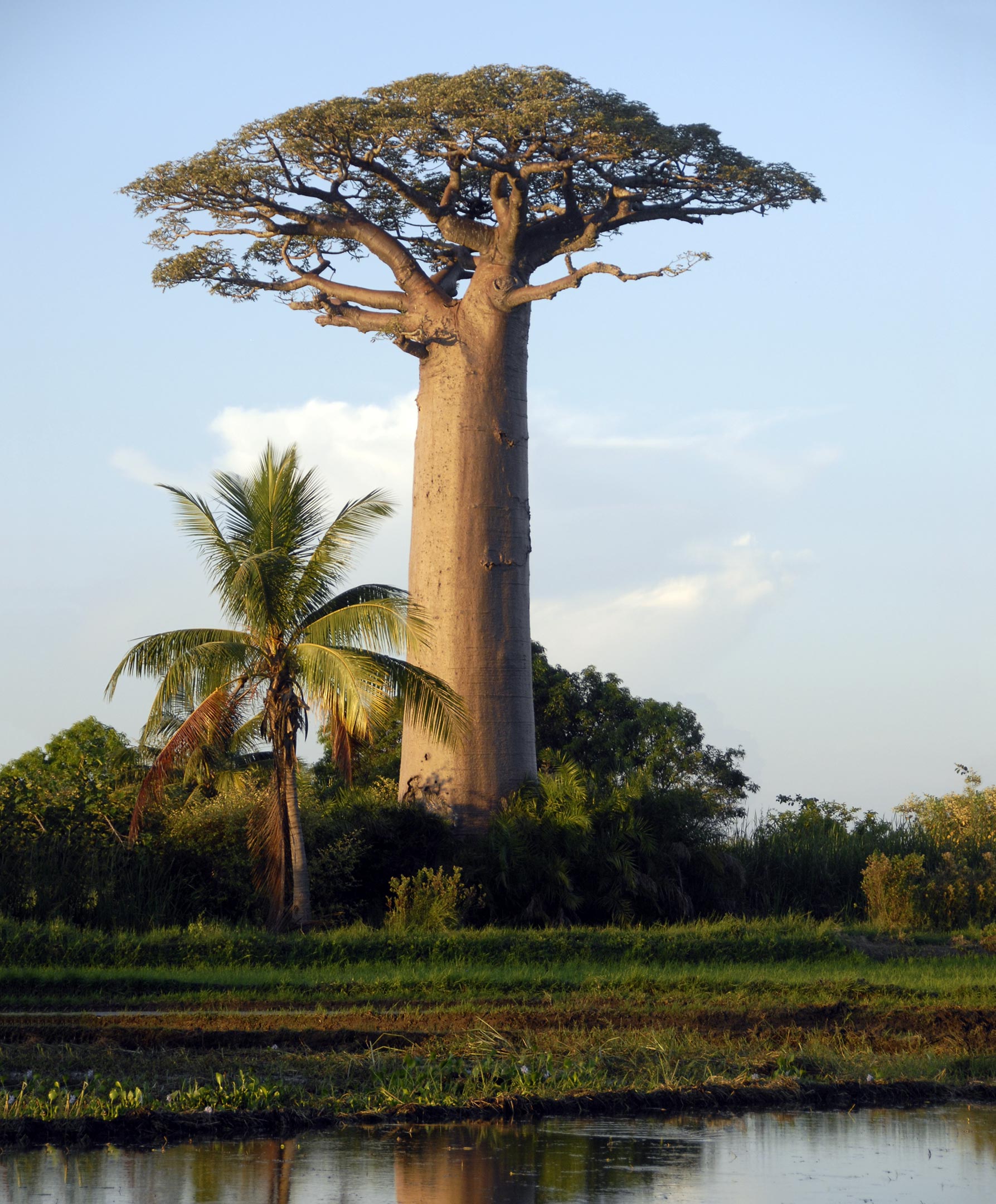
    Baobab adansonia grandidieri

    “We demonstrated that currently plants are going extinct 350 times faster than on average along the studied time span, i.e. 300 years. If we continue ignoring the importance of natural ecosystems and their integrity, this can lead to disastrous consequences, and relationships between plants, insects, and other species may be broken,” warned Anatoliy Khapugin, a Ph.D. degree researcher at Tyumen State University.

    On the basis of the obtained data, the research group studied the tendencies, reasons, and dynamics of plant extinction over the past 300 years. Today’s extinction rates of many plants appeared to be higher in the biodiversity hotspots worldwide. However, according to the present study, the extinction rates have recently reduced in all regions. The most threatened species were perennial herb plants growing in temperate regions such as dandelion, crowfoot, and others. In unfavorable conditions, parts of their shoots die out, and remnants remain on the ground level. The main reasons for plant extinction in both groups of regions are agriculture and urbanization. In hotspot regions, one more threat that caused plant extinction was biological invasions of plants and animals that penetrated new habitats and often caused harm to local flora and fauna. In biodiversity coldspots, changes in the hydrological regime of habitats (such as new dams that negatively affect the functioning of water bodies) may also cause plant extinctions.

    “To counteract the biodiversity loss, new Protected Areas should be created, and a special protection regime should be maintained in these territories to predominantly or completely prevent human activity there. In many world regions, including Russia, both national and regional Protected Area Networks prove to be inefficient. They have to be expanded to protect more habitats of threatened plants and animals,” stated Anatoliy Khapugin.

    Reference: “Recent Anthropogenic Plant Extinctions Differ in Biodiversity Hotspots and Coldspots” by Johannes J. Le Roux, Cang Hui, Maria L. Castillo, José M. Iriondo, Jan-Hendrik Keet, Anatoliy A. Khapugin, Frédéric Médail, Marcel Rejmánek, Genevieve Theron, Florencia A. Yannelli and Heidi Hirsch, 22 August 2019, Current Biology.
    DOI: 10.1016/j.cub.2019.07.063

    Never miss a breakthrough: Join the SciTechDaily newsletter.
    Follow us on Google and Google News.

    Biodiversity Extinction Plant Science University of Tyumen
    Share. Facebook Twitter Pinterest LinkedIn Email Reddit

    Related Articles

    Scientists Stunned After Finding Plant Thought Extinct for 60 Years

    Rediscovery of the Elusive Fairy Lantern: Thismia kobensis Emerges After 30 Years

    Global Extinction Risk Assessment: Nearly One-Third of Oaks Are Threatened With Extinction

    Nearly 40% of Global Species Are Very Rare, at Risk for Extinction From Climate Change

    Meet the “Extinct Species” That Was Just Rediscovered After 200 Years

    1 Billion Years of Evolution Illuminated by Genetic Sequencing of 1,100 Plants

    At Least a Third of All Marine Species Are Still Unknown

    A Fifth of All Invertebrates on Earth Threatened by Extinction

    Extinctions Due to Habitat Loss are Proportional to the Area Destroyed

    Leave A Reply Cancel Reply

    • Facebook
    • Twitter
    • Pinterest
    • YouTube

    Don't Miss a Discovery

    Subscribe for the Latest in Science & Tech!

    Trending News

    Scientists Warn That This Common Pet Fish Can Wreck Entire Ecosystems

    Scientists Make Breakthrough in Turning Plastic Trash Into Clean Fuel Using Sunlight

    This Popular Supplement May Interfere With Cancer Treatment, Scientists Warn

    Scientists Finally Solved One of Water’s Biggest Mysteries

    Could This New Weight-Loss Pill Disrupt the Entire Market? Here’s What You Should Know About Orforglipron

    Earth’s Crust Is Tearing Open in Africa, and It Could Form a New Ocean

    Breakthrough Bowel Cancer Trial Leaves Patients Cancer-Free for Nearly 3 Years

    Natural Compound Shows Powerful Potential Against Rheumatoid Arthritis

    Follow SciTechDaily
    • Facebook
    • Twitter
    • YouTube
    • Pinterest
    • Newsletter
    • RSS
    SciTech News
    • Biology News
    • Chemistry News
    • Earth News
    • Health News
    • Physics News
    • Science News
    • Space News
    • Technology News
    Recent Posts
    • Millions of People Have Osteopenia Without Realizing It – Here’s What You Need To Know
    • Researchers Discover Boosting a Single Protein Helps the Brain Fight Alzheimer’s
    • AI Detects “Invisible” Signs of Pancreatic Cancer Years Before Diagnosis
    • Kratom Use Explodes in the US, With Life-Changing Consequences
    • Scientists Uncover Fatal Weakness in “Zombie Cells” Linked to Cancer
    Copyright © 1998 - 2026 SciTechDaily. All Rights Reserved.
    • Science News
    • About
    • Contact
    • Editorial Board
    • Privacy Policy
    • Terms of Use

    Type above and press Enter to search. Press Esc to cancel.