
Close Menu
    Facebook X (Twitter) Instagram
    SciTechDaily
    • Biology
    • Chemistry
    • Earth
    • Health
    • Physics
    • Science
    • Space
    • Technology
    Facebook X (Twitter) Pinterest YouTube RSS
    SciTechDaily
    Home»Earth»Study Reveals Oceanic Carbon Release Helped End the Ice Age
    Earth

    Study Reveals Oceanic Carbon Release Helped End the Ice Age

    By Jim Shelton, Yale UniversityFebruary 12, 20151 Comment2 Mins Read
    Facebook Twitter Pinterest Telegram LinkedIn WhatsApp Email Reddit
    Share
    Facebook Twitter LinkedIn Pinterest Telegram Email Reddit
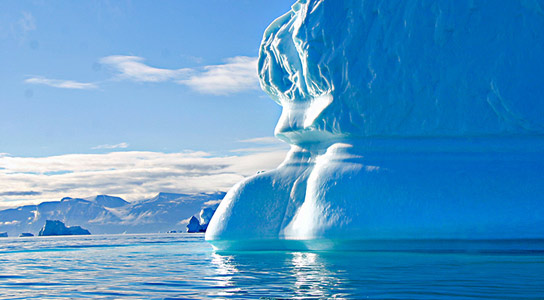
    Carbon Release from Ocean Helped End the Ice Age
    New research reveals that high concentrations of dissolved carbon dioxide in ocean water coincide with increases in atmospheric carbon dioxide and global temperatures at the end of the last ice age.

    New research shows that high concentrations of dissolved carbon dioxide in ocean water coincides with rises in atmospheric carbon dioxide and global temperatures at the end of the last ice age, giving scientists valuable insights into how the ocean can affect the carbon cycle and climate change.

    New techniques are allowing scientists to understand how carbon dioxide, released from the deep ocean, helped to end the last ice age and create our current climate.

    An international team, including Yale paleoclimatologist Michael Henehan, studied the shells of ancient marine organisms that lived in surface waters of the southern Atlantic and eastern equatorial Pacific oceans thousands of years ago. The researchers determined that high concentrations of dissolved carbon dioxide in those waters coincided with rises in atmospheric carbon dioxide and global temperatures at the end of the last ice age.

    The findings give scientists valuable insights into how the ocean can affect the carbon cycle and climate change, say the researchers.

    A study describing the research appears in the journal Nature. Joint lead authors of the study are Miguel Martínez-Botí of the University of Southampton and Gianluca Marino of the Australian National University. The University of Southampton led the effort.

    “This is an exciting time for research into past climates,” said Henehan, who is a postdoctoral associate in the Department of Geology and Geophysics. “Advances in technologies and improvements in our methods have allowed us in this study to show just how critical carbon dioxide release from the oceans was in kicking the Earth out of the last ice age and into the climate state we have today.”

    Henehan said Yale scientists are using the same technique to look even further back in time, investigating whether changes in atmospheric carbon dioxide played a role in the mass extinction of species at the end of the Cretaceous period.

    Reference: “Boron isotope evidence for oceanic carbon dioxide leakage during the last deglaciation” by M. A. Martínez-Botí, G. Marino, G. L. Foster, P. Ziveri, M. J. Henehan, J. W. B. Rae, P. G. Mortyn and D. Vance, 11 February 2015, Nature.
    DOI: 10.1038/nature14155

    Never miss a breakthrough: Join the SciTechDaily newsletter.
    Follow us on Google and Google News.

    Carbon Dioxide Climate Science Earth Science Geophysics University of Southampton
    Share. Facebook Twitter Pinterest LinkedIn Email Reddit

    Related Articles

    Machine Learning Helps Predict the Geothermal Heat Flux in Greenland

    NASA Scientists Track Ozone Pollution by Monitoring Key Ingredients

    NASA Study Reveals Cause of Earth’s Recent Record Carbon Dioxide Spike

    MIT Study Predicts Thresholds for a Sixth Mass Extinction

    Arctic Sea Ice Loss is Impacting Atlantic Ocean Water Circulation System

    New Study Shows Warmer Temperatures May Increase Emissions of Carbon Dioxide from Alaskan Tundra

    NASA’s New Global View of CO2, Critical Step for Carbon-Cycle Science

    Yale Scientists Solve the Problem of Sea Ice Thickness Distribution

    MIT Research Reveals Natural Impediment to Long-Term Sequestration of Carbon Dioxide

    1 Comment

    1. Madanagopal.V.C. on February 13, 2015 10:13 pm

      Carbon footprint has been used today to indicate global warming. Ocean is the great reservoir of carbon, in the sense it contains all the aquatic animals and plants for eons coming up and perishing for billions of years. Thus release of carbon from the ocean is a sure indication which warms up the earth to end the great ice ages. In a sense, nature has used carbon to recycle into warmer atmosphere to get new generations that alternate between ice ages. Thank You.

      Reply
    Leave A Reply Cancel Reply

    • Facebook
    • Twitter
    • Pinterest
    • YouTube

    Don't Miss a Discovery

    Subscribe for the Latest in Science & Tech!

    Trending News

    New Study Reveals Why Ozempic Works Better for Some People Than Others

    Climate Change Is Altering a Key Greenhouse Gas in a Way Scientists Didn’t Expect

    New Study Suggests Gravitational Waves May Have Created Dark Matter

    Scientists Discover Why the Brain Gets Stuck in Schizophrenia

    Scientists Engineer “Tumor-Eating” Bacteria That Devour Cancer From Within

    Even “Failed” Diets May Deliver Long-Term Health Gains, Study Finds

    NIH Scientists Discover Powerful New Opioid That Relieves Pain Without Dangerous Side Effects

    Collapsing Plasma May Hold the Key to Cosmic Magnetism

    Follow SciTechDaily
    • Facebook
    • Twitter
    • YouTube
    • Pinterest
    • Newsletter
    • RSS
    SciTech News
    • Biology News
    • Chemistry News
    • Earth News
    • Health News
    • Physics News
    • Science News
    • Space News
    • Technology News
    Recent Posts
    • The Protein “Sabotaging” Aging Muscle Recovery Could Be Key to Surviving Aging
    • This Diet–Gut Interaction Could Transform Fat Into a Calorie-Burning Machine
    • Why Some People Reach 100: New Study Reveals Key Biological Differences
    • This Is How Ovarian Cancer Spreads Before Doctors Can Detect
    • Scientists Discover Hidden Virus Linked to Colorectal Cancer
    Copyright © 1998 - 2026 SciTechDaily. All Rights Reserved.
    • Science News
    • About
    • Contact
    • Editorial Board
    • Privacy Policy
    • Terms of Use

    Type above and press Enter to search. Press Esc to cancel.