
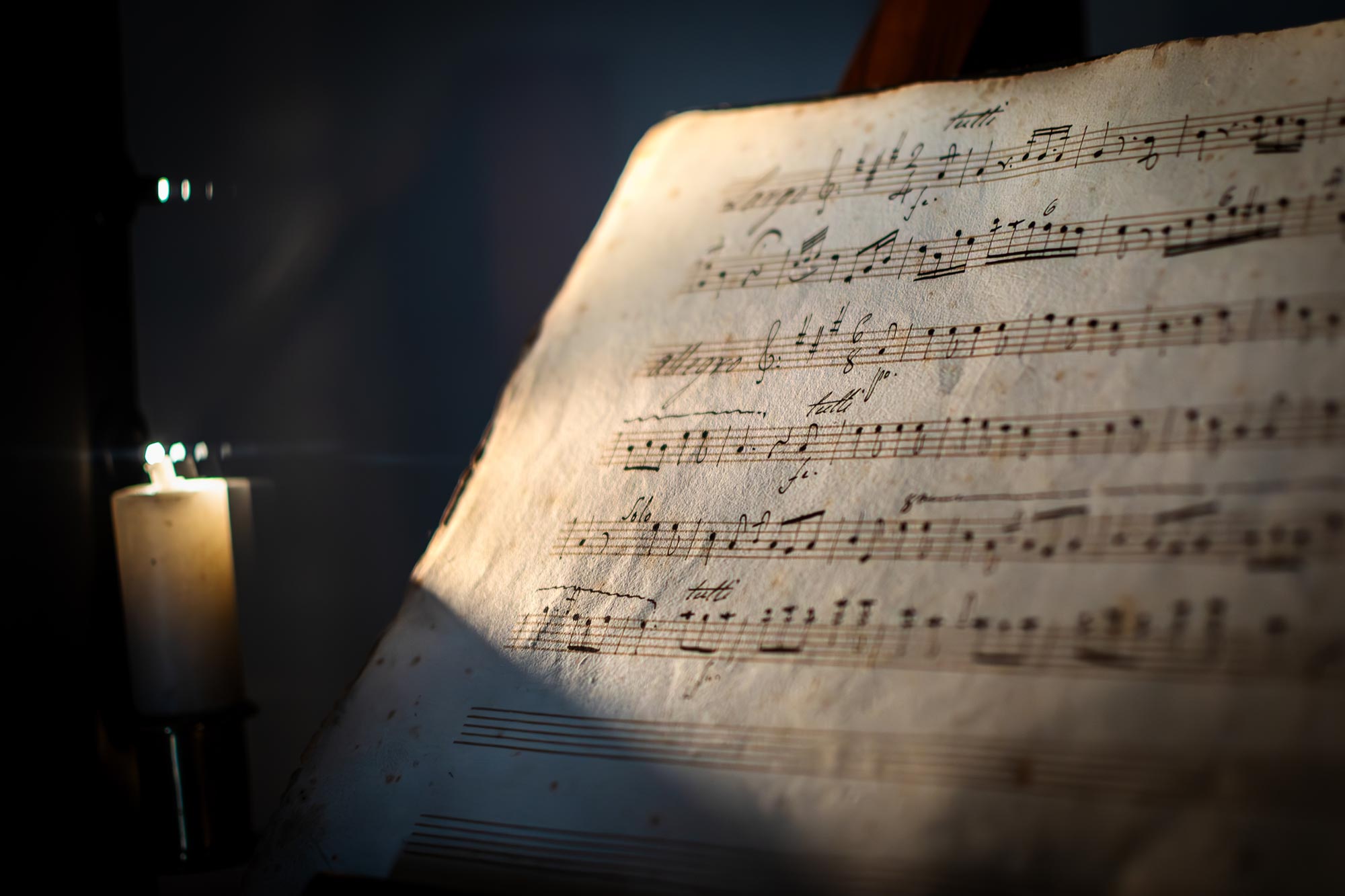
A study of a long-forgotten musical work reveals that rediscovery does not restore how it was originally performed.
Reviving long-lost music does not restore the way it was originally meant to be performed, according to a new study from the University of Surrey.
Instead, these works return without a shared sense of how they should sound, forcing musicians to make their own interpretive decisions. As a result, performances of the same piece can differ so widely that they effectively reshape the music.
A Forgotten Work Returns Without Guidance
Published in Performance Research: A Journal of the Performing Arts, the study examines a little-known piano piece by British composer Ethel Smyth, who was based in Surrey. Written in the late 1800s, the work was forgotten for 120 years before resurfacing in the 1990s. When performers began playing it again, they had no established traditions to guide them. There were no clear directions for tempo, expression, or dynamics, and no historical recordings to reference.
To explore how musicians respond in this situation, the researcher analyzed every available professional recording of the piece. Using specialized audio software, each version was examined beat by beat to track tempo and subtle changes in rhythm throughout the performance.
Diverging Musical Identities
Each pianist interpreted the work in a distinct way, especially in its unfinished ending. Some performers slowed down dramatically, while others moved ahead more quickly. None closely matched one another, and even the earliest modern recording did not set a consistent standard for interpretation.
Dr. Christopher Wiley, author of the study and Head of Music and Media at the University of Surrey, said:
“When musicians open a score like this, they are standing on empty ground. While written in standard notation that is commonly understood, there is no inherited wisdom to lean on as to how the piece is supposed to be played. What I found when analysing modern recordings was not small variation in interpretation but completely different musical identities emerging from the same notes. This is creative and exciting, but also unsettling.”
A Growing Challenge Across the Arts
The study suggests this issue will become more common as works by historically marginalized composers continue to be rediscovered. It is not limited to music. Performers in theater, dance, and other arts are also likely to encounter works that lack original interpretive traditions.
Instead of relying only on written scores, the research recommends broader approaches. Performers may need to turn to letters, memoirs, and other personal writings for clues. In Smyth’s case, her later autobiographical reflections on the character she intended to portray offered important insight into the work’s mood, personality, and emotional meaning.
Reference: “Rediscovered Music, Undiscoverable Interpretation” by Christopher Wiley, 19 December 2025, Performance Research.
DOI: 10.1080/13528165.2024.2537590
Never miss a breakthrough: Join the SciTechDaily newsletter.
Follow us on Google and Google News.
5 Comments
does it matter. musicians often interpret songs differently.
an example The Rolling Stones vs Cat Powers “(I Can’t Get No) Satisfaction”.
I have seen AI ( such as chatgpt , Grok) able to solve many problems. Perhaps they should try to combine their sources and give AI a try.
Sounds like Jazz
Not to mention that over time even the instruments used to produce music have changed. Not all of them sound like they did hundreds of years ago.
If one were to compare recordings of say a piano work by Brahms with plenty of expression marks, one would be likely to find huge interpretative variation. Which one would be ‘right’? Performance is creative as well as re-creative.