
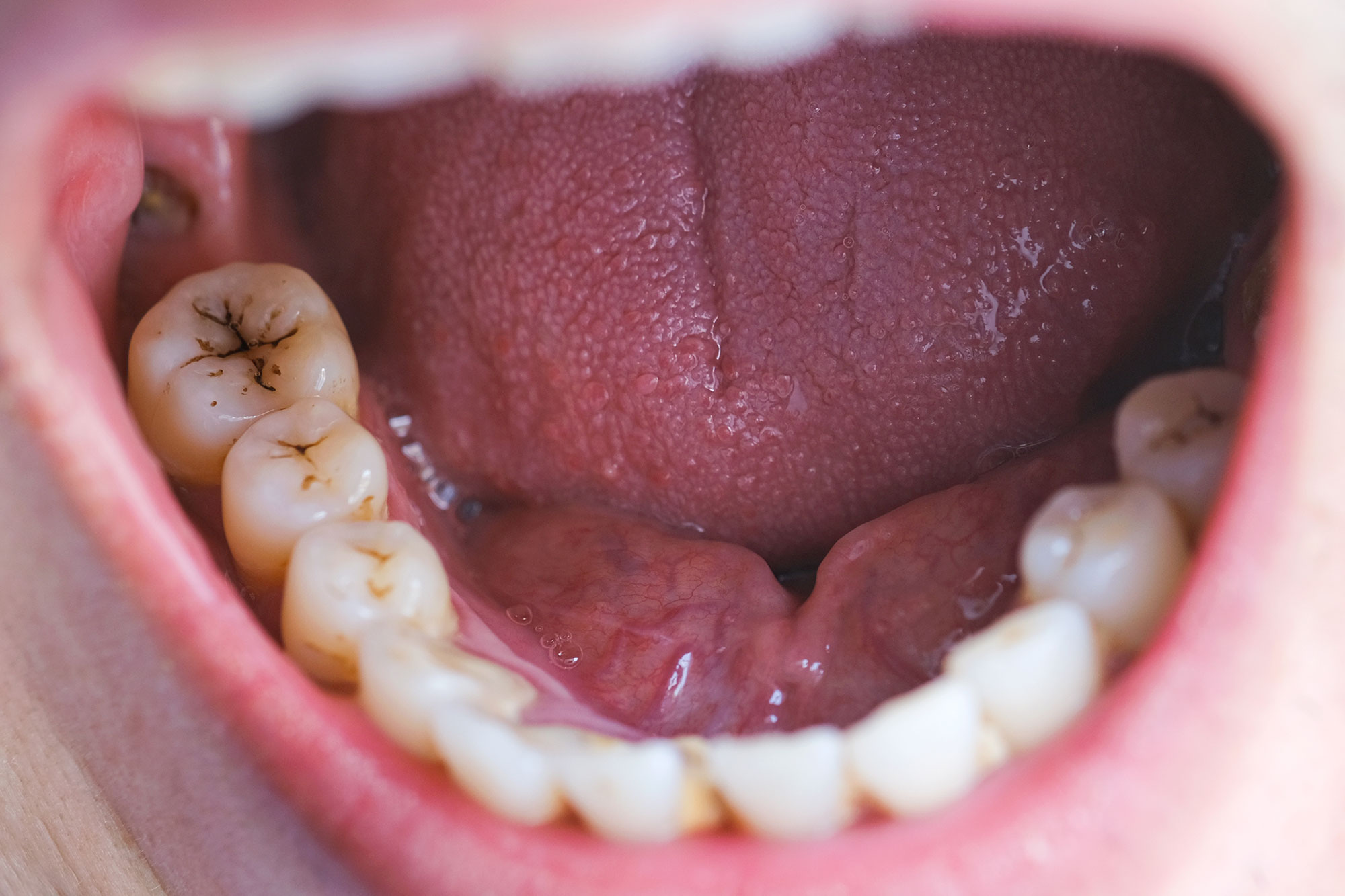
A school-based program using minimal interventions successfully prevented most cavities from worsening.
Two topical dental treatments could stop most childhood cavities from getting worse for years, according to a new study from the NYU College of Dentistry, published in JAMA Network Open.
Researchers treated more than 10,000 cavities in New York City elementary school students and discovered that two non-invasive methods—atraumatic restorative treatment (ART) and silver diamine fluoride (SDF)—were highly effective at slowing or stopping tooth decay. These findings support a growing shift toward simple, non-surgical options for managing cavities in children.
Tooth decay is not just a dental issue. Kids in the United States miss an estimated 34 million hours of school each year because of emergency dental problems. By bringing cavity care directly into schools, programs like this can help improve children’s oral health and reduce the need for urgent treatments such as painful extractions or treatment for infections.
In school-based dental programs, health professionals often use sealants—thin, protective coatings applied to the surface of children’s back teeth—to safeguard against tooth decay. But few programs address existing cavities. ART can be used to stop the progression of cavities by removing tooth decay with hand instruments and applying the same protective material as sealants. SDF has also emerged as a promising tool for cavity prevention and treatment; originally approved by the FDA for treating tooth sensitivity, the liquid is brushed onto teeth to kill decay-causing bacteria and remineralize teeth to prevent further decay.
Comparing ART and SDF in Schools
To compare the use of SDF and ART, researchers at NYU College of Dentistry led a large clinical trial in New York City elementary schools as part of their CariedAway cavity prevention program. At twice-yearly school visits, health professionals examined children’s teeth and applied either ART or SDF followed by fluoride varnish to any existing cavities, depending on which treatment the school was randomly assigned to receive.
In a previous analysis of the CariedAway study, NYU researchers reported that a single treatment of either ART or SDF kept approximately 50 percent of cavities from worsening over two years.
Long-Term Effectiveness of Non-Surgical Treatments
Their latest analysis, published in JAMA Network Open, focused on more than 1,600 children ages 5 to 13 who had cavities on one or more teeth. SDF or ART were applied to the children’s teeth—including more than 10,000 cavities—during biannual school visits. The students were followed for up to four years to see if their tooth decay worsened or stayed the same.
“This study is our most robust analysis of these different cavity prevention techniques, as we focused on decay on each tooth surface and measured it up to four years,” said Ryan Richard Ruff, PhD, MPH, associate professor of epidemiology & health promotion at NYU College of Dentistry and a principal investigator of CariedAway.
The researchers found that SDF and ART had similar results when applied to cavities: SDF kept 62 percent of decayed surfaces from worsening over four years, while ART controlled 55 percent.
“Offering ART or SDF in schools can help avoid the need for more invasive dental treatment and improve access to preventive care,” said Tamarinda J. Barry Godín, DDS, MPH, a research scientist at NYU College of Dentistry and CariedAway project director.
Reference: “Silver Diamine Fluoride vs Atraumatic Restoration for Managing Dental Caries in Schools: A Cluster Randomized Clinical Trial” by Ryan Richard Ruff, Aditi Ashish Gawande, Qianhui Xu and Tamarinda Barry Godín, , JAMA Network Open.
DOI: 10.1001/jamanetworkopen.2025.13826
The research was funded by the Patient-Centered Outcomes Research Institute (PCS-1609-36824).
Never miss a breakthrough: Join the SciTechDaily newsletter.
Follow us on Google and Google News.
1 Comment
Where can we buy this?