
Vega Return to Flight Proves New Rideshare Service
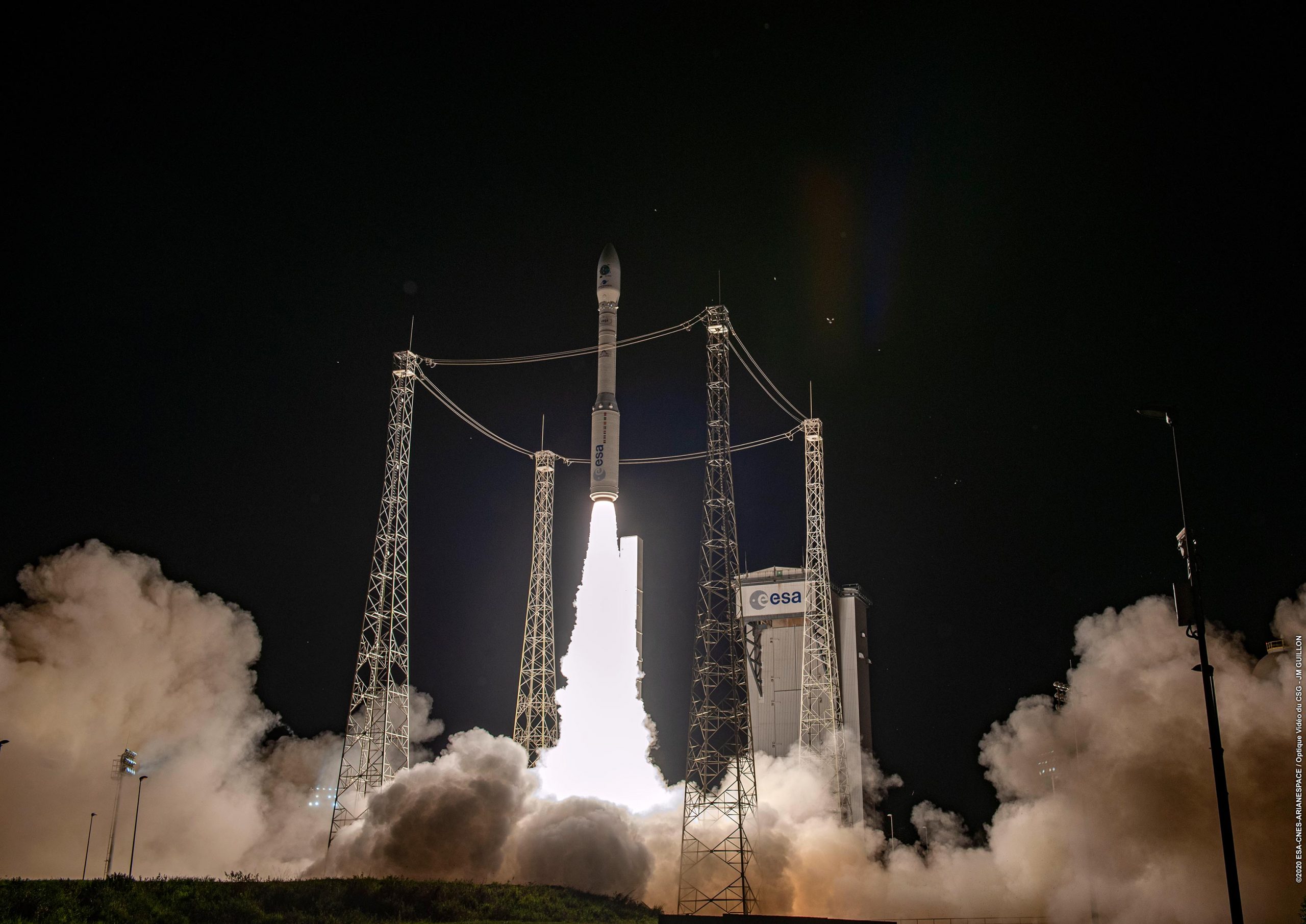
The first flight of Vega’s rideshare service using the Small Spacecraft Mission Service (SSMS) dispenser for light satellites, launched from Europe’s Spaceport in Kourou, French Guiana at 02:51 BST / 03:51 CEST on September 3 (22:51 local time on September 2).
Vega’s return to flight today proves new launch service capabilities on an ESA-developed launch vehicle while ensuring continuity of Europe’s guaranteed and independent access to space.
This flight marks the fast and efficient completion of corrective measures and actions carried out by industry with ESA in the lead as the Vega Launch System Qualification Authority, following recommendations made by the Independent Inquiry Commission which analyzed the failure of Vega flight VV15 on July 10, 2019.
“It is back to business at Europe’s Spaceport and we are proud that Vega returns to flight to prove a new dedicated launch service. Europe’s first Small Spacecraft Mission Service opens the door for routine affordable access to space for small satellites – a new approach which shows we are addressing new market needs,” commented Daniel Neuenschwander, ESA Director of Space Transportation.
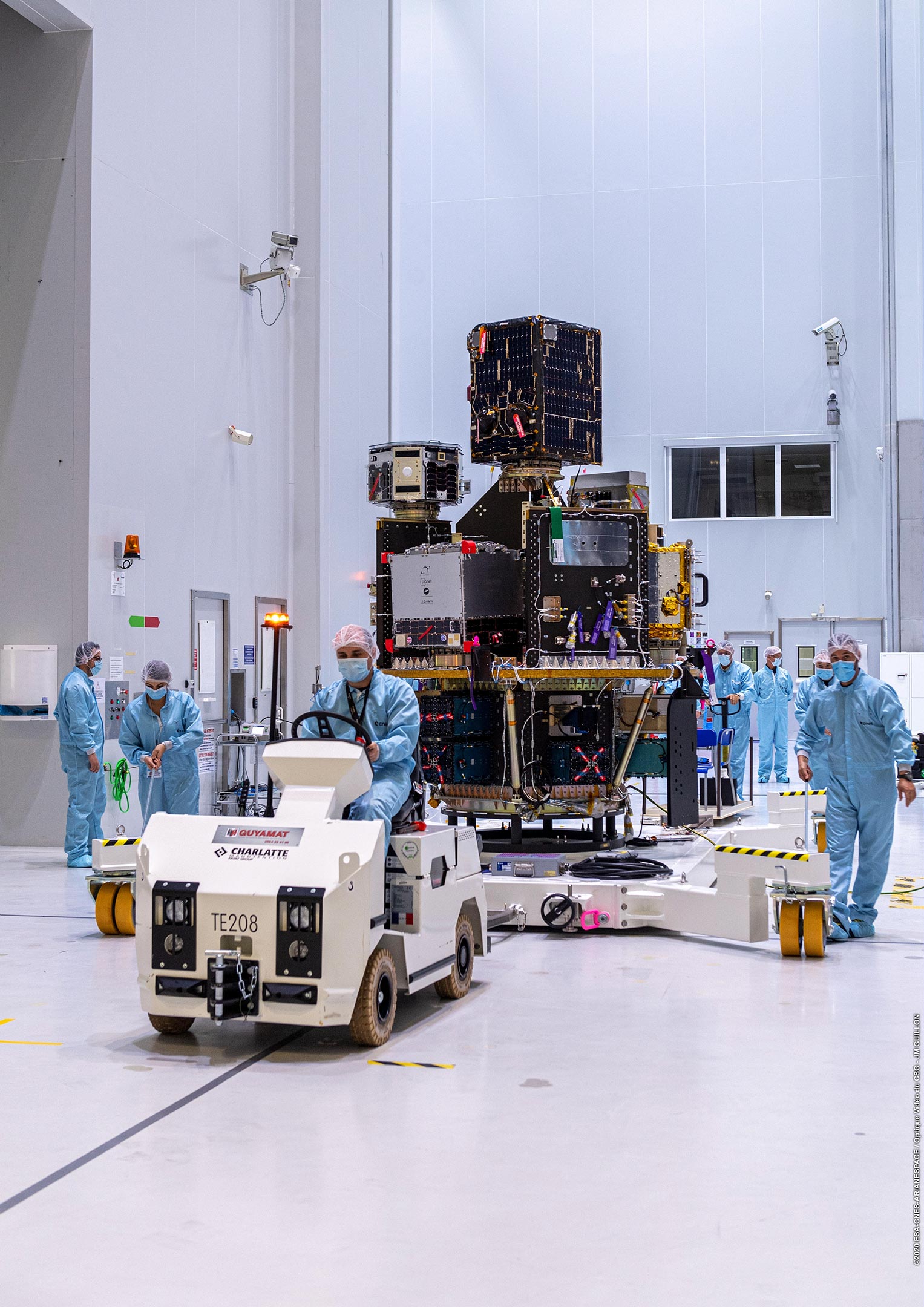
This is a proof-of-concept flight operated by Arianespace as part of ESA’s Light satellites, Low cost, Launch opportunities (LLL) initiative, decided by the ESA Council at Ministerial level in 2016, to prepare the way for routine services for light satellites using the European launch vehicles Vega/Vega-C and Ariane 6.
This SSMS dispenser is a modular lightweight carbon-fiber structure designed to transport multiple light payloads to space and can be configured very close to launch to carry a range of different quantities and sizes of satellites. This means Vega can offer affordable and convenient launch opportunities for small satellites, without the constraints of traveling as secondary payloads with much larger satellites. Following deployment of the satellites, the dispenser will deorbit to avoid creating space debris.
“This launch demonstrates ESA’s ability to use innovation to lower the costs, become more flexible, more agile and make steps towards commercialization,” said ESA Director General Jan Wörner, adding “This enhanced ability to access space for innovative small satellites will deliver a range of positive results from new environmental research to demonstrating new technologies.”
Small satellites have opened up opportunities for companies and institutional users to access space for research and commercial applications, and are central to the NewSpace economy.
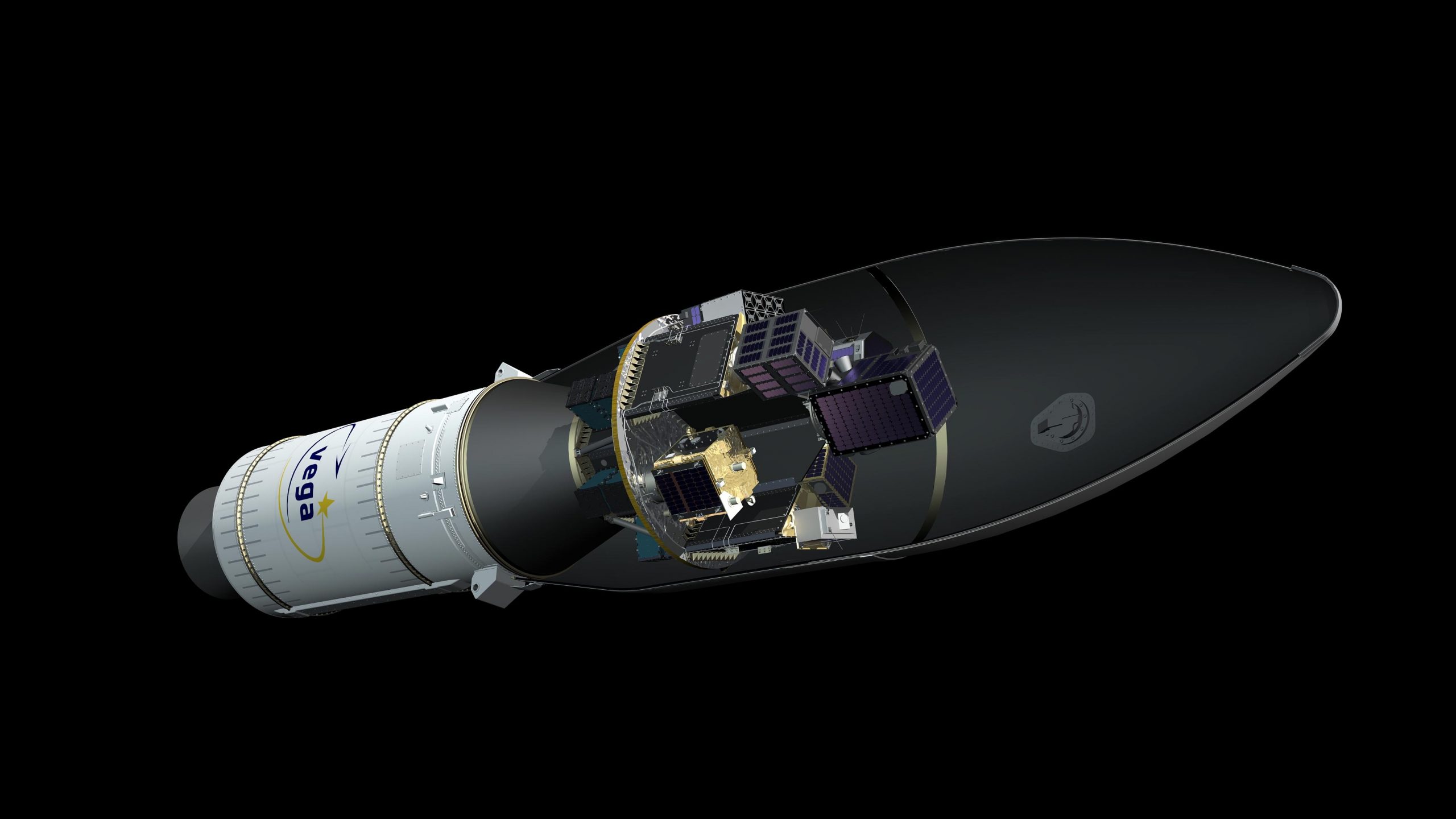
Vega carried seven microsatellites weighing from 15 kg to 150 kg, as well as 46 smaller CubeSats all for release into Sun-synchronous orbits at about 515 km and 530 km altitude. The final satellite was released about 104 minutes after liftoff.
About half of the total mass of the 53 satellites aggregated by Arianespace on today’s launch comes from European States (eight of them are represented) and ESA has contributed to the development of four of them – the 113 kg ESAIL microsatellite and three CubeSats: Simba, Picasso, and FSSCat/Φ-sat-1.
The ESAIL satellite, built in Luxembourg by LuxSpace, will help to deliver the next generation of space-based services for maritime traffic. It will track ships by detecting their automatic identification system messages worldwide, improving safety at sea. It will also help with the monitoring of fisheries and environmental protection.
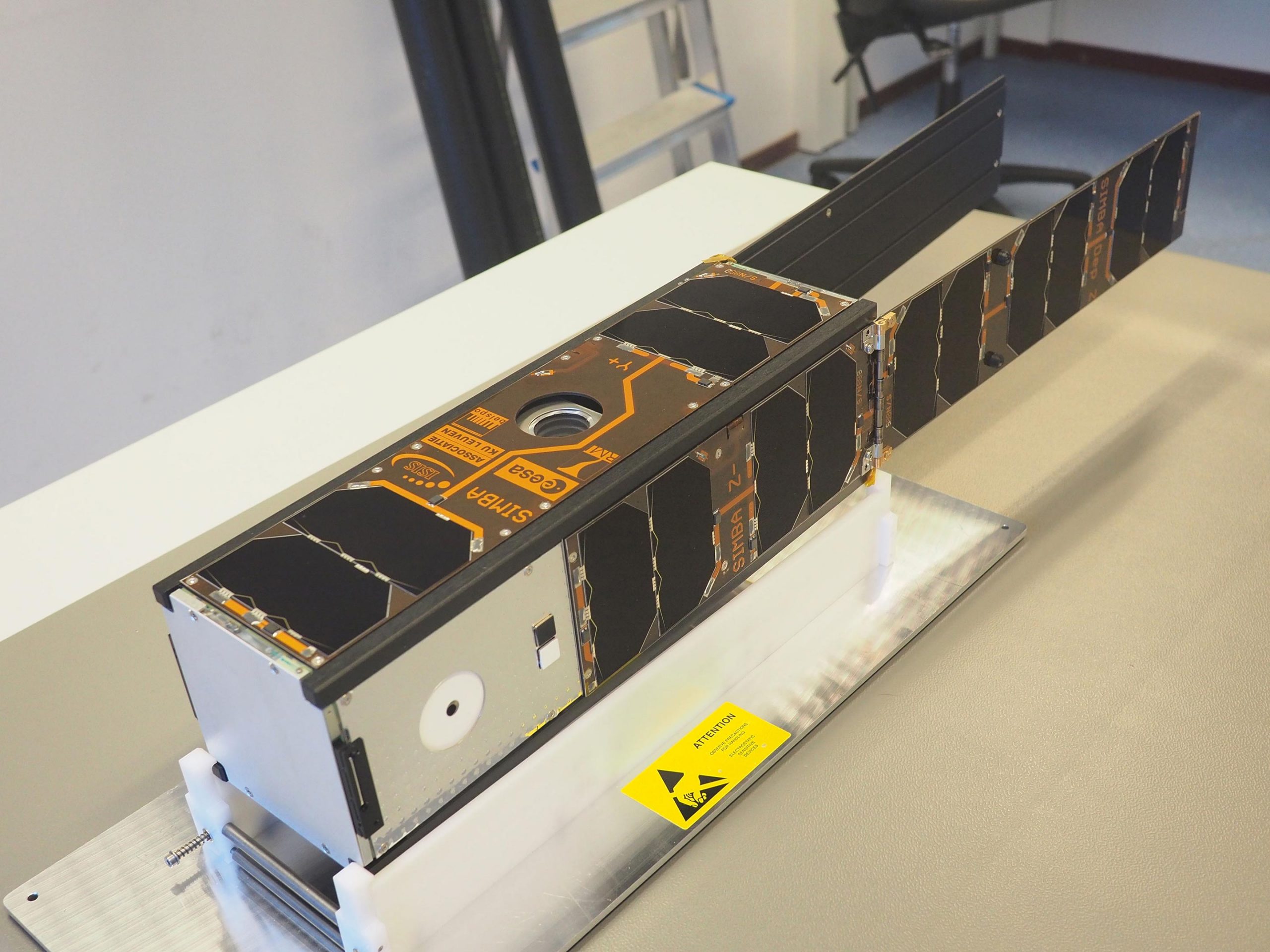
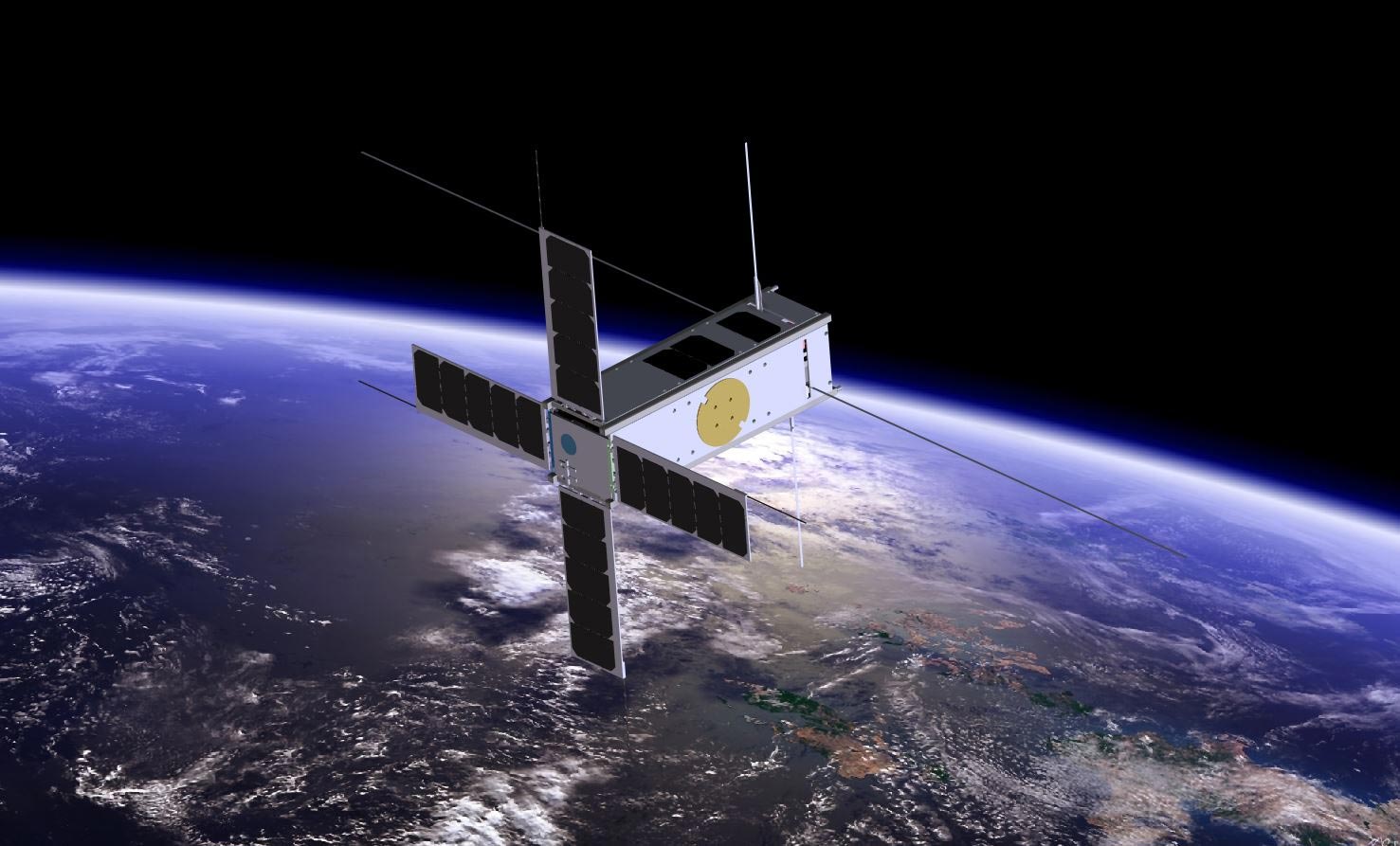
Simba, led by the Royal Meteorological Institute Belgium (with the University of Leuven and ISISpace in the Netherlands), is a CubeSat that will use a miniature radiometer to measure two important climate variables: incoming solar radiation and outgoing Earth radiation over all wavelengths, as well as demonstrating a precise attitude control system.
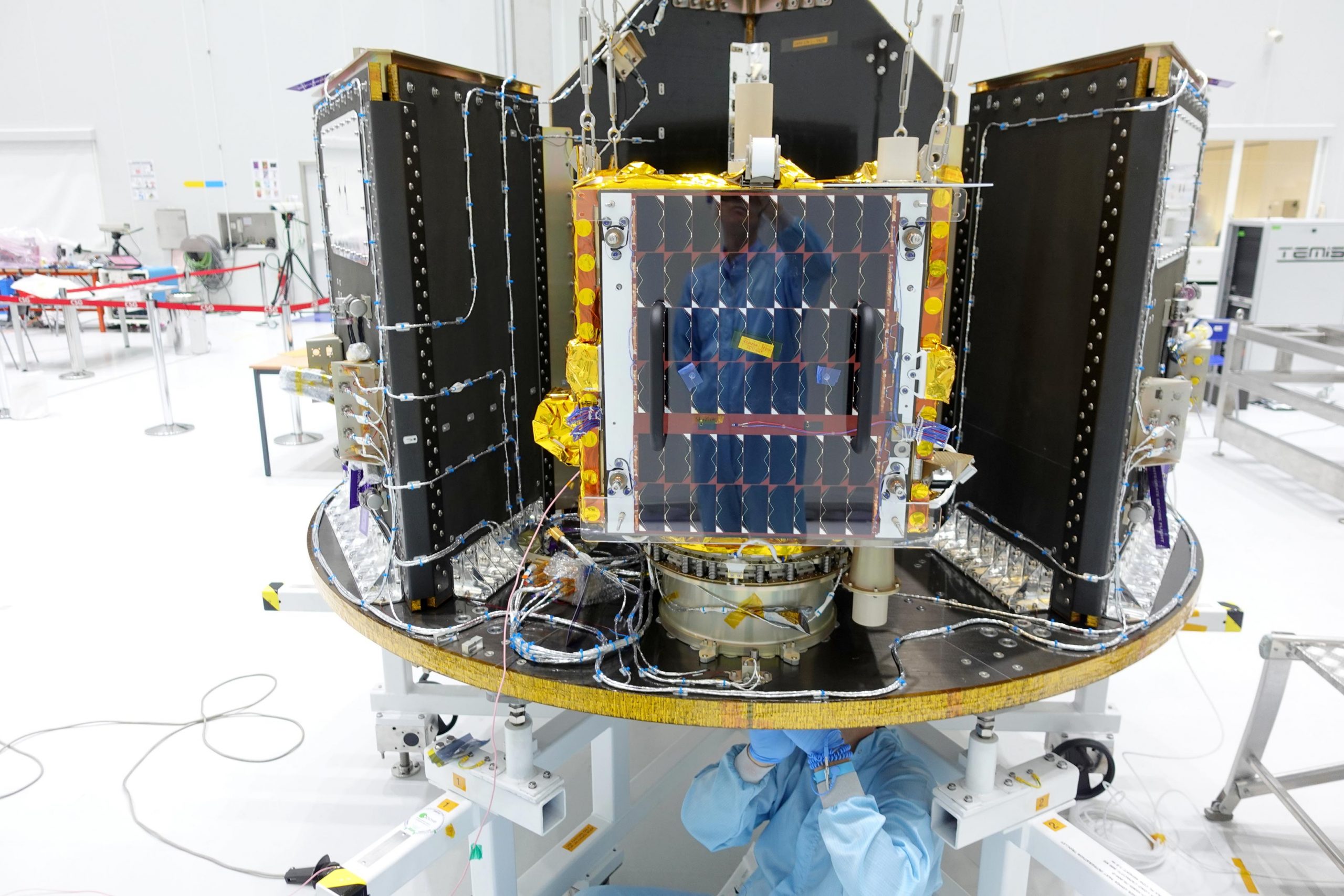
The similarly sized Picasso (led by Belgian Institute of Space Aeronomy with VTT Finland and Clyde Space, UK) will measure stratospheric ozone distribution, the temperature in the mesosphere — using a newly developed miniature multi-spectral imager, and the density of electrons in the ionosphere using a set of four new electrostatic probes.
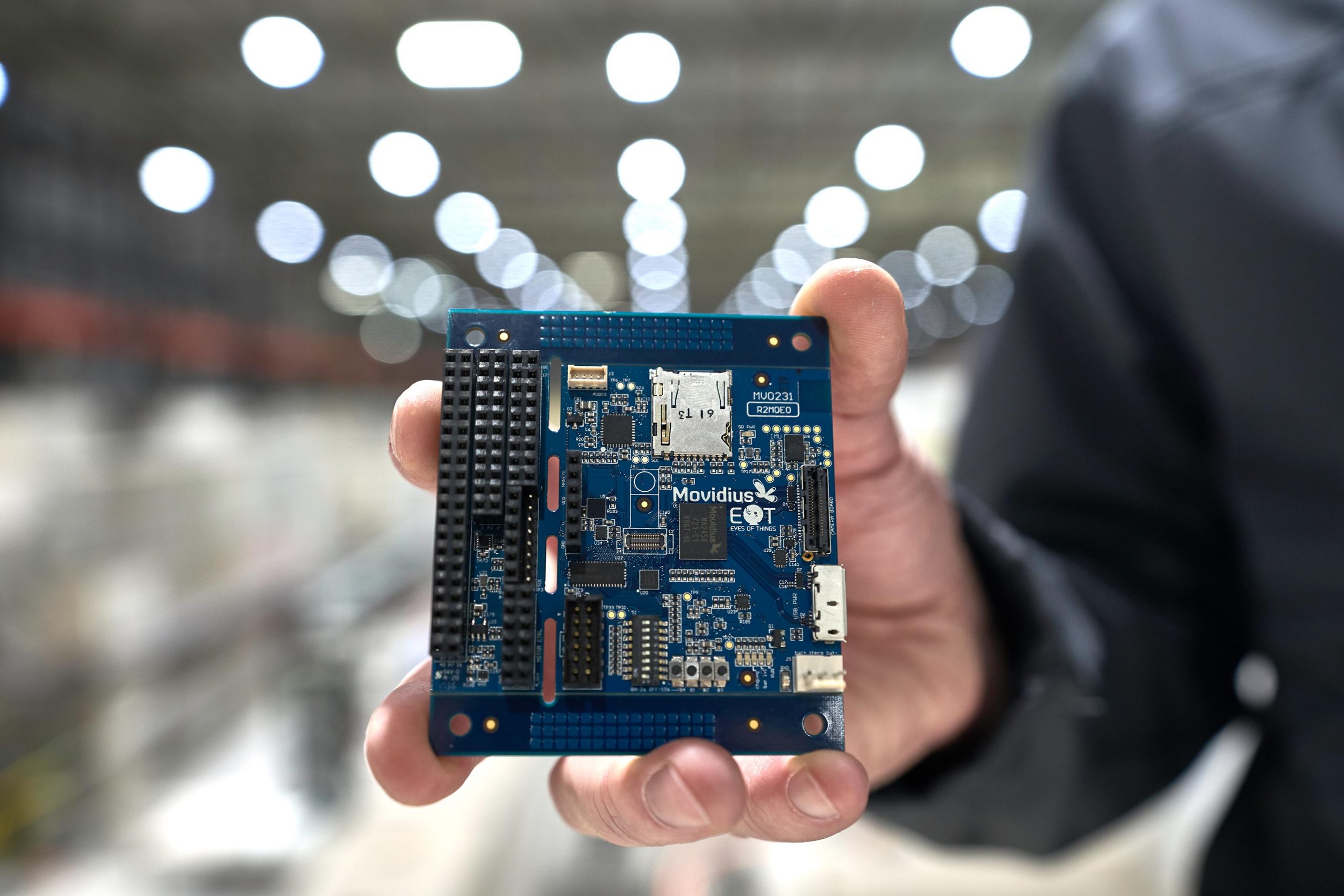
A Federated Satellite Systems (FSSCat) mission proposed by Spain’s Universitat Politècnica de Catalunya at the 2017 Copernicus Masters, has been developed by a consortium of European companies and institutes. It enables the first ESA initiative using artificial intelligence on board an Earth observation mission.
This pioneering technology named Φ-sat-1 (pronounced ‘Phisat-1’), will allow only usable data to return to Earth. This ensures efficient handling of data so that users will have access to timely information – ultimately benefiting society at large.
Today’s Vega flight was funded in part by the European Union under the Horizon 2020 program within the frame of the Contribution Agreement between ESA and the EU on space technology activities signed on April 16, 2019. It supports the in-flight demonstration and validation of this new rideshare service, as well as the launch service for the UPMSat-2 microsatellite.
Vega and its payloads were kept in safe conditions and batteries were recharged after several launch attempts in June were interrupted by unfavorable weather at high altitude above Europe’s Spaceport.
About SSMS
The Small Spacecraft Mission Service (SSMS) dispenser has a modular design that can be adapted for different launch requirements. It can provide launch opportunities for light satellites with an overall mass ranging from 1 kg CubeSats up to 500 kg minisatellites. SAB Aerospace designed and manufactured this modular dispenser for ESA’s Vega prime contractor Avio.

ESA – J. Huart
About Vega
Europe’s light-lift Vega rocket launched for the first time in February 2012. It is a 3 m (10 foot) diameter single-body vehicle, 30 meters (100 feet) in height. It has three solid-propellant stages and a liquid-propellant upper module for attitude and orbit control, and satellite release.
ESA is looking to the future with Vega-C, a more powerful version of Vega, planned to fly for the first time in 2020. Vega-C will offer an extra 700 kg of capacity and enlarged volume within a wider launcher fairing at a similar cost to Vega – allowing even more passengers per individual rideshare launch at significant lower cost per kilogram.
Never miss a breakthrough: Join the SciTechDaily newsletter.
Follow us on Google and Google News.