
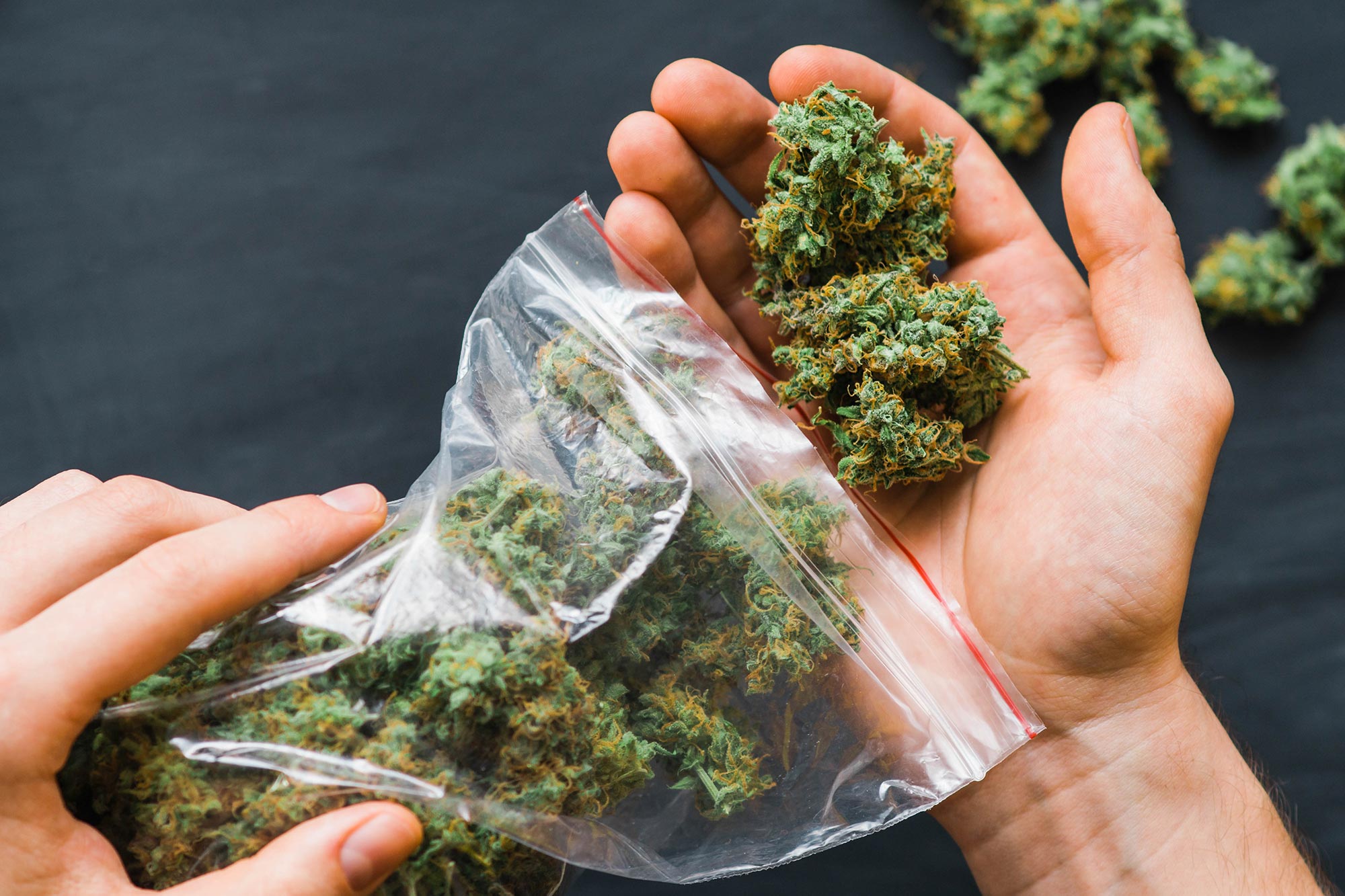
Illicit cannabis seized in Arizona and California contains dangerously high levels of Fusarium mycotoxins, according to a new Arizona State University study.
Around 16% of tested samples were contaminated, some with toxins far exceeding agricultural safety standards. These contaminants can trigger vomiting and infections, especially in immunocompromised users.
Dangerous Contaminants Found in Illicit Cannabis
A new study from Arizona State University has found concerning levels of Fusarium mycotoxins in illicit cannabis samples seized in Arizona and California.
Researchers tested 118 samples collected by law enforcement between November 2023 and June 2024 and found that 16% contained harmful mycotoxins, compounds produced by fungi that can pose serious health risks. The findings highlight the dangers of black-market cannabis, which is not subject to safety regulations or quality control.
Led by ASU professor Maxwell Leung, the study screened the cannabis for 23 different mycotoxins and fungal byproducts.

Mycotoxins Exceed Safety Standards
Some of the most hazardous substances detected included fusarenon-X and diacetoxyscirpenol, which were found at concentrations exceeding the safety limits set for food and agricultural products. Despite these risks, there are currently no federal or state regulations requiring testing for Fusarium contamination in either legal or illegal cannabis.
“Many Fusarium mycotoxins can contribute to vomiting symptoms in users,” said Leung, an assistant professor in the School of Mathematical and Natural Sciences and study leader. “The presence of Fusarium fungi in cannabis can also pose an infection risk in immune-compromised users.”
Key Findings:
- 16% of samples contained detectable levels of mycotoxins.
- Fusarenon-X was found in 10 samples at concentrations ranging from 500 to 1,700 ppb, exceeding typical safety thresholds for food products.
- Several samples contained diacetoxyscirpenol, a federally designated biological select agent and toxin, which presents a significant health concern.
- In contrast, only one sample showed a regulated mycotoxin (ochratoxin A).
The research raises public health concerns, as many cannabis users may be unknowingly exposed to these dangerous fungal contaminants, which are linked to symptoms such as vomiting and gastrointestinal distress. Illicit cannabis, which is grown in unregulated environments, is particularly susceptible to contamination due to poor handling, unsanitary conditions, and lack of oversight.
Health Implications
Cannabis contaminated with Fusarium mycotoxins may pose serious health risks, particularly for individuals with weakened immune systems or those who consume cannabis for medicinal purposes. Mycotoxins such as fusarenon-X are known to cause vomiting, and their presence in cannabis could potentially exacerbate conditions like cannabis hyperemesis syndrome, which has been linked to increased emergency room visits.
While the legal cannabis market is subject to stringent safety testing, the black market remains a major source of unregulated and potentially dangerous products. In 2022, the illicit cannabis market in the U.S. was estimated to be worth $76 billion, more than double the size of the legal market, further emphasizing the public health risk posed by unregulated cannabis sales.
Needs for Future Research
The authors stress the urgent need for further research into the health risks associated with Fusarium contamination in cannabis, particularly regarding inhalation exposure through smoking or vaping, as well as dietary exposure through edibles.
“Despite the legalization effort at the state level, the majority of the cannabis supply remains coming from the black and grey market,” said Leung. “The contaminants in illicit cannabis represent a public health risk that needs to be addressed.”
Reference: “Evaluation of Fusarium Mycotoxins and Fungal Metabolites in Seized Cannabis in Arizona and California, 2023-2024″ by Ariell B. Stephens, Albert B. Rivera, Thomas M. Cahill and Maxwell C.K. Leung, 19 March 2025, Environmental Health Perspectives.
DOI 10.1289/EHP16028
Never miss a breakthrough: Join the SciTechDaily newsletter.
Follow us on Google and Google News.
1 Comment
Why does it seem like this post repeats it’s self multiple times? And no I don’t smoke weed and I’m not high. I am curious about the contamination because when I’m around the people that do smoke, it doesn’t smell like it normally use to. And yes I’ve smoked my fair share.