
A collaborative study by the University of Oxford and MIT has uncovered a 3.7-billion-year-old magnetic field record from Greenland, demonstrating that Earth’s ancient magnetic field was as strong as it is today, crucial for protecting life by shielding against cosmic and solar radiation.
A new study has recovered a 3.7-billion-year-old record of Earth’s magnetic field, and found that it appears remarkably similar to the field surrounding Earth today. The findings have been published today (April 24) in the Journal of Geophysical Research.
Without its magnetic field, life on Earth would not be possible since this shields us from harmful cosmic radiation and charged particles emitted by the Sun (the ‘solar wind’). But up to now, there has been no reliable date for when the modern magnetic field was first established.
Examination of Ancient Rocks
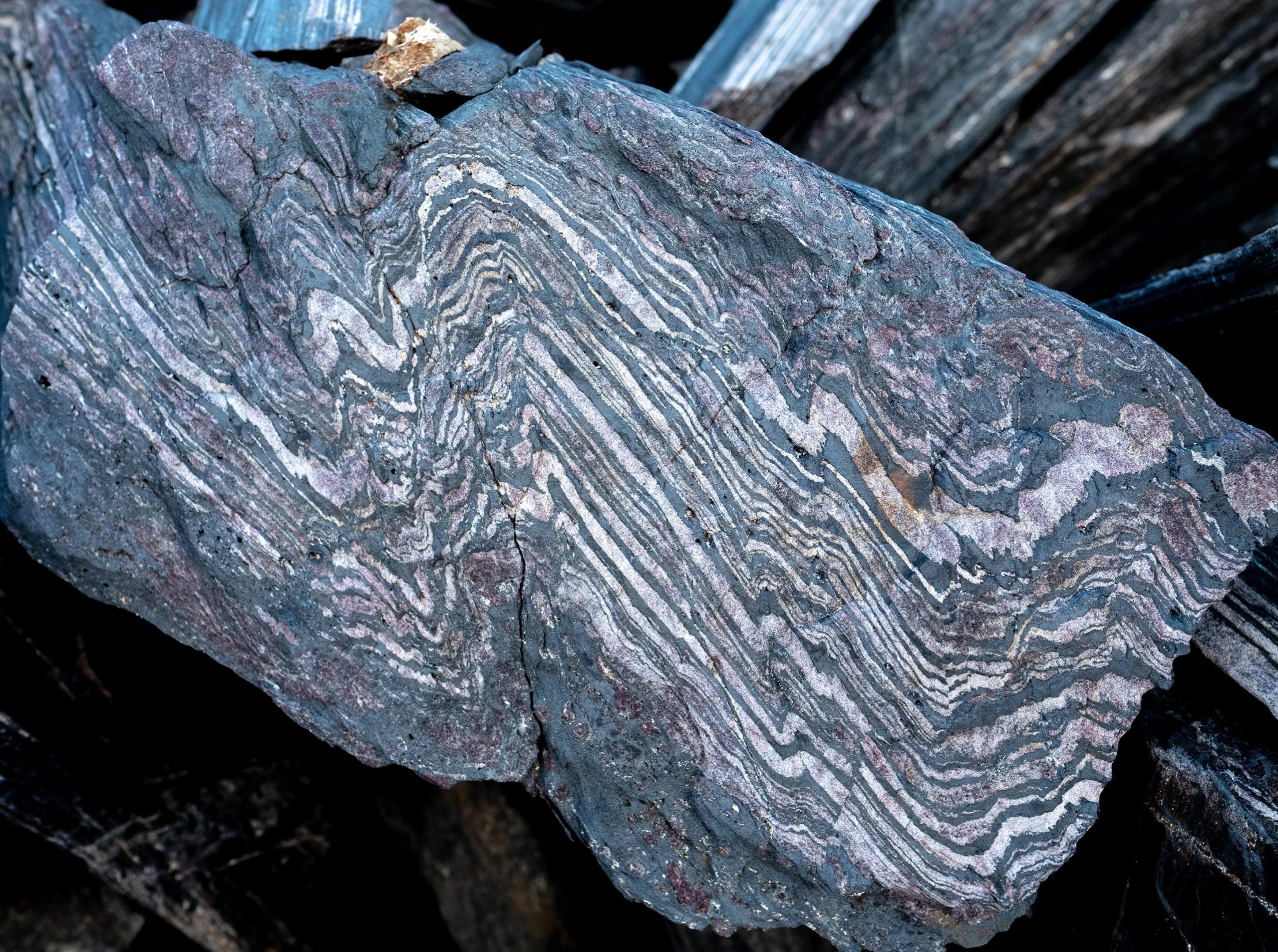
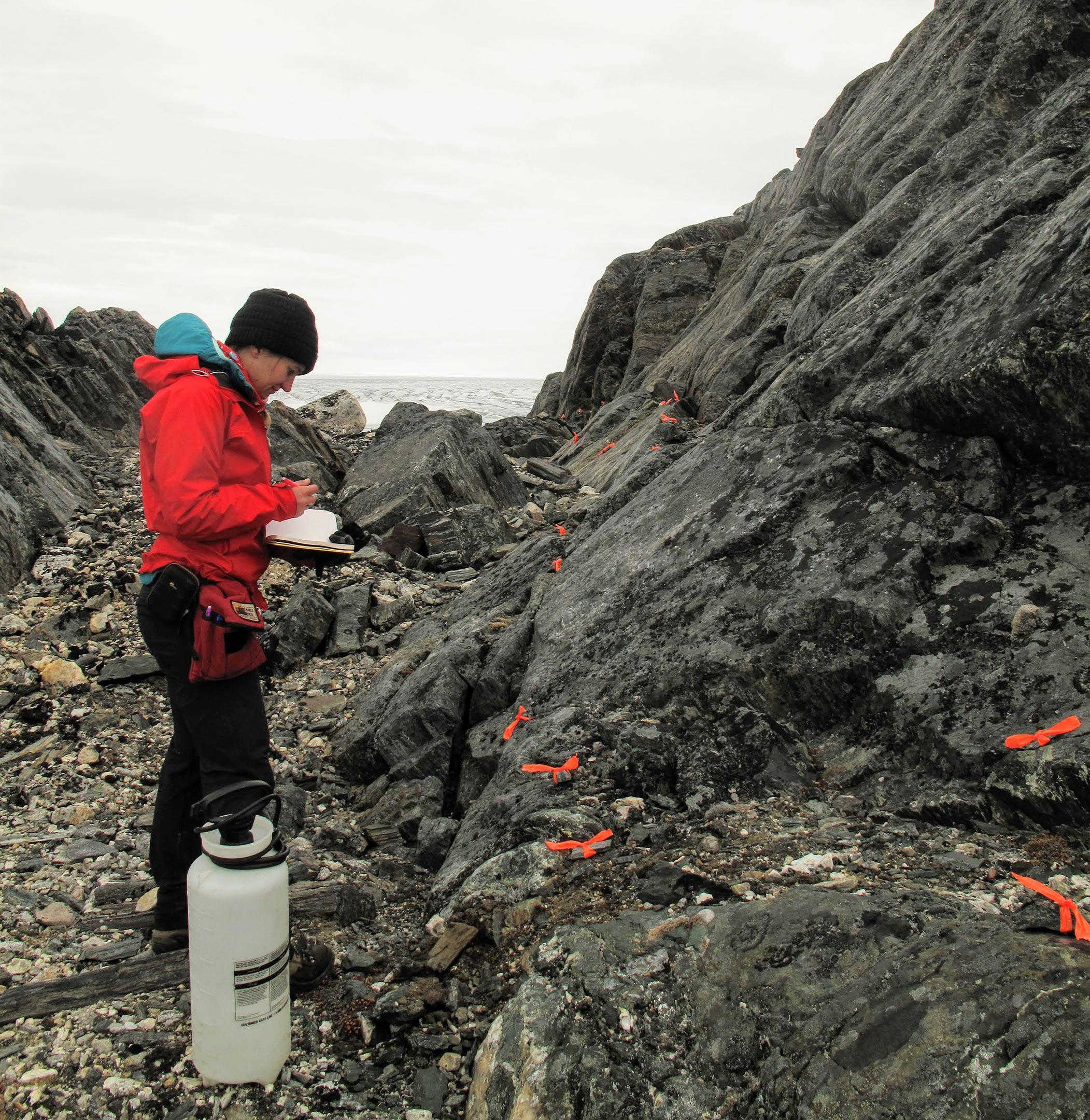
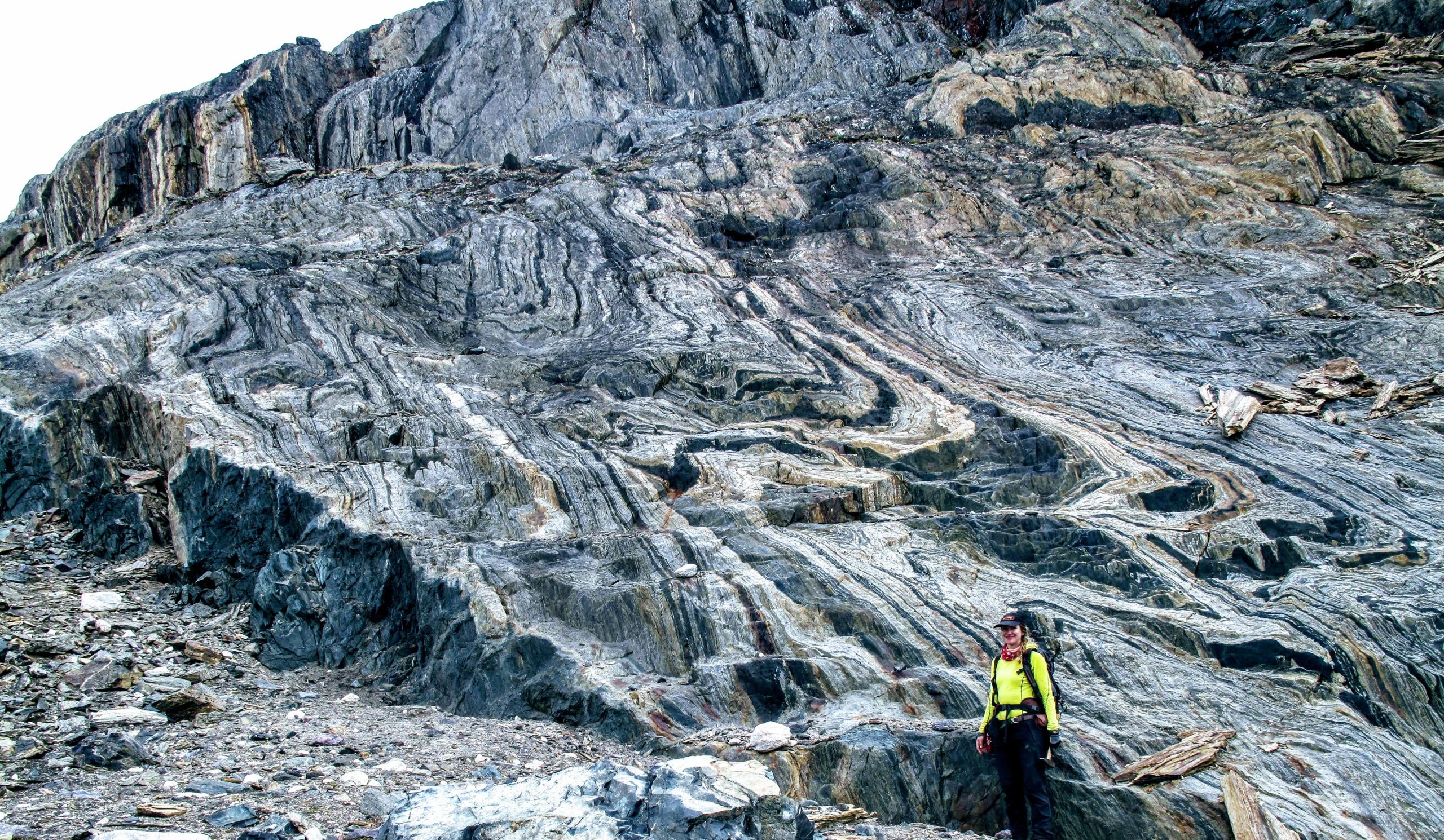
In the new study, the researchers examined an ancient sequence of iron-containing rocks from Isua, Greenland. Iron particles effectively act as tiny magnets that can record both magnetic field strength and direction when the process of crystallization locks them in place. The researchers found that rocks dating from 3.7 billion years ago captured a magnetic field strength of at least 15 microtesla comparable to the modern magnetic field (30 microtesla).
These results provide the oldest estimate of the strength of Earth’s magnetic field derived from whole rock samples, which provide a more accurate and reliable assessment than previous studies that used individual crystals.
Insights From the Study
Lead researcher Professor Claire Nichols (Department of Earth Sciences, University of Oxford) said: ‘Extracting reliable records from rocks this old is extremely challenging, and it was really exciting to see primary magnetic signals begin to emerge when we analyzed these samples in the lab. This is a really important step forward as we try and determine the role of the ancient magnetic field when life on Earth was first emerging.’
Whilst the magnetic field strength appears to have remained relatively constant, the solar wind is known to have been significantly stronger in the past. This suggests that the protection of Earth’s surface from the solar wind has increased over time, which may have allowed life to move onto the continents and leave the protection of the oceans.
Earth’s magnetic field is generated by mixing of the molten iron in the fluid outer core, driven by buoyancy forces as the inner core solidifies, which create a dynamo. During Earth’s early formation, the solid inner core had not yet formed, leaving open questions about how the early magnetic field was sustained. These new results suggest the mechanism driving Earth’s early dynamo was similarly efficient to the solidification process that generates Earth’s magnetic field today.
Understanding how Earth’s magnetic field strength has varied over time is also key for determining when Earth’s inner, solid core began to form. This will help us to understand how rapidly heat is escaping from Earth’s deep interior, which is key for understanding processes such as plate tectonics.
Geological and Atmospheric Implications
A significant challenge in reconstructing Earth’s magnetic field so far back in time is that any event that heats the rock can alter preserved signals. Rocks in the Earth’s crust often have long and complex geological histories that erase previous magnetic field information. However, the Isua Supracrustal Belt has a unique geology, sitting on top of thick continental crust which protects it from extensive tectonic activity and deformation. This allowed the researchers to build a clear body of evidence supporting the existence of the magnetic field 3.7 billion years ago.
The results may also provide new insights into the role of our magnetic field in shaping the development of Earth’s atmosphere as we know it, particularly regarding atmospheric escape of gases. A currently unexplained phenomenon is the loss of the unreactive gas xenon from our atmosphere more than 2.5 billion years ago. Xenon is relatively heavy and therefore unlikely to have simply drifted out of our atmosphere. Recently, scientists have begun to investigate the possibility that charged xenon particles were removed from the atmosphere by the magnetic field.
In the future, researchers hope to expand our knowledge of Earth’s magnetic field prior to the rise of oxygen in Earth’s atmosphere around 2.5 billion years ago by examining other ancient rock sequences in Canada, Australia, and South Africa. A better understanding of the ancient strength and variability of Earth’s magnetic field will help us to determine whether planetary magnetic fields are critical for hosting life on a planetary surface and their role in atmospheric evolution.
Reference: “Possible Eoarchean Records of the Geomagnetic Field Preserved in the Isua Supracrustal Belt, Southern West Greenland” by Claire I. O. Nichols, Benjamin P. Weiss, Athena Eyster, Craig R. Martin, Adam C. Maloof, Nigel M. Kelly, Mike J. Zawaski, Stephen J. Mojzsis, E. Bruce Watson and Daniele J. Cherniak, 24 April 2024, Journal of Geophysical Research: Solid Earth.
DOI: 10.1029/2023JB027706
Never miss a breakthrough: Join the SciTechDaily newsletter.
Follow us on Google and Google News.
5 Comments
“We use these lines of evidence to argue that an ancient, 3.7 billion year old record of Earth’s magnetic field may be preserved in the banded iron formations in the northernmost part of the field area.”
Note how this is worded. It is different from the typical proclamations of climatologists who claim unambiguously that they have proven, or discovered, some revelation supporting anthropogenic global warming, even when others have come to a different conclusion. This is my biggest beef with climate alarmists — their lack of humility and caution in their claims.
Anthropogenic Global Heating. I suppose people could address it in terms of the classic English understatement, but given that thedocumented post-1945 population increase is in lockstep with the documented CO2 production and that since the end of PR China’s Cultural Revolution there has been a documented huge increase in the use of petroleum and natural gas as a fuel, not to mention that back around 1827 it was realised that CO2 is a “greenhouse” gas, false modesty seems inappropriate when the reality of AGH-induced drought, flood, melting of ice and consequent loss of glacial reservoirs of water together with sea-level rise are going to affect about 3-4 billion people far more seriously than the existence of the Earth’s magnetic field some 3.7 billion years ago; there is evidence from Australia that it was around a bit more than 4 billion years ago, but so what?
Your comment suggests that you are unfamiliar with the definition of “spurious correlation.”
Interesting
I would like to know if these iron bands show or may correlate to pole shifting and anything related info, i.e. next time, possibly when, etc.