

It’s allergy season again. If you’re sneezing, itchy, or feeling swollen up with watery eyes, you’re not alone — millions of Americans have seasonal allergies. You might use one or more allergy medications or nasal sprays to relieve your symptoms, but what you eat could have an impact on your seasonal allergy symptoms too. Here are seven of the best foods to include in your diet if you suffer from seasonal allergies.
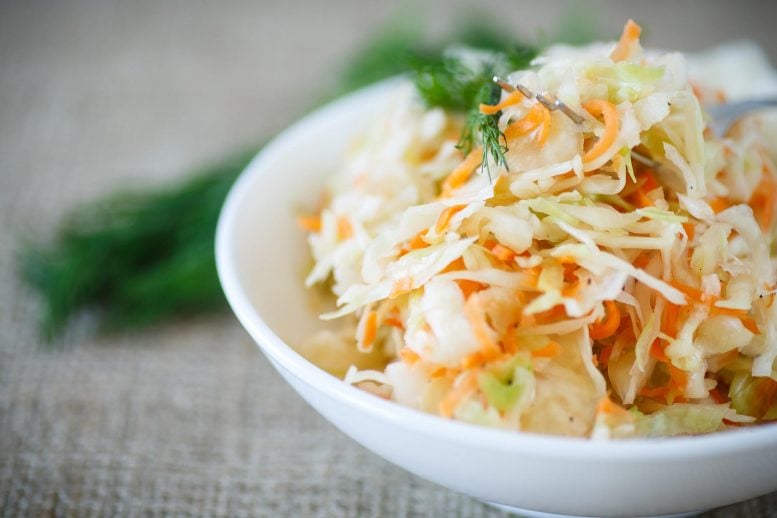
Fermented Vegetables
Vegetables are not only packed with vitamins, minerals, fiber, and phytonutrients, but when you ferment them, they become a source of gut-friendly probiotics. The most common fermented vegetable is sauerkraut, but you can buy a variety of fermented vegetables at health food stores or ferment your own at home.
Probiotics, which are live bacteria that live in your gut, aren’t just beneficial for digestive health. Research shows a link between a healthy digestive system and immune health. This connection is important for seasonal allergies. One study found that daily probiotic supplements help control allergy symptoms like sneezing, congestion, and runny nose.
In addition, a review of 20 studies found that people with seasonal allergies or hay fever may get modest benefits from taking probiotic supplements, although the verdict is still out. But you’ll get even more health benefits by eating fermented vegetables.
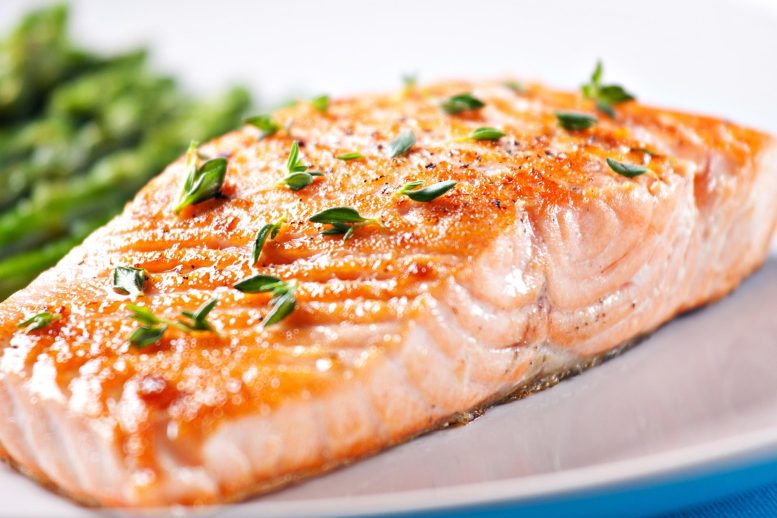
Salmon
Salmon is a fatty fish rich in omega-3 fatty acids. These anti-inflammatory fats help tame inflammation and moderate the activity of your immune system. This can be helpful if you have seasonal allergies. Buy wild-caught salmon for the most benefits. Avoid farm-raised salmon, as it’s lower in omega-3s and more likely to contain harmful contaminants like heavy metals.
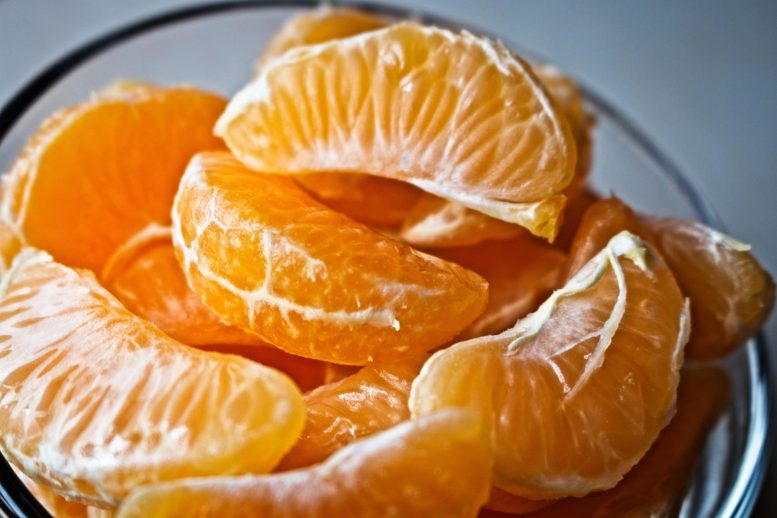
Oranges
Next time you’re in the produce section, pick up an orange or two. Oranges are rich in bioflavonoids, compounds that help reduce inflammation caused by allergies and other environmental factors. They’re also rich in vitamin C. Why is that important? Vitamin C helps block the release of histamine, a chemical that plays a key role in allergy symptoms. It’s histamine that causes watery eyes, a scratchy throat, a runny nose, and sneezing. The combination of bioflavonoids and vitamin C in oranges makes these delicious citrus fruits a healthful choice if you have seasonal allergies.
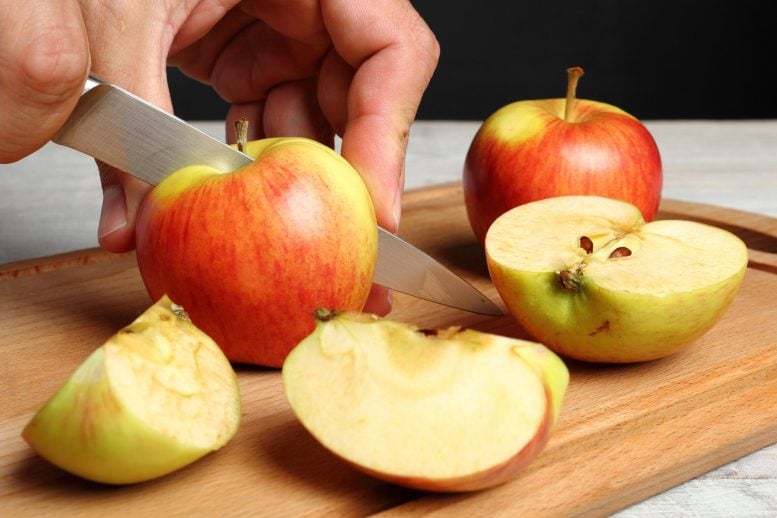
Apples
An apple a day could keep the allergy doctor away. Apples are rich in quercetin, a bioflavonoid and antioxidant. Along with apples, quercetin is abundant in foods like tea, berries, and red onions, all of which may modestly benefit seasonal allergy symptoms. Quercetin works as a natural antihistamine, so if you are experiencing mild seasonal allergy symptoms (like a runny nose, sneezing, and itchy eyes), this supplement may help relieve those symptoms.
Another word of warning: Even though quercetin is a natural antihistamine, studies show inconsistent results when using quercetin for allergy relief. So don’t think quercetin alone will cure your allergies. Also, check with your doctor before adding any new supplements to your diet — especially if you are allergic to certain medications or have medical conditions like asthma that may interfere with the supplement’s effectiveness. But you can get a healthy dose of quercetin by eating an apple a day.
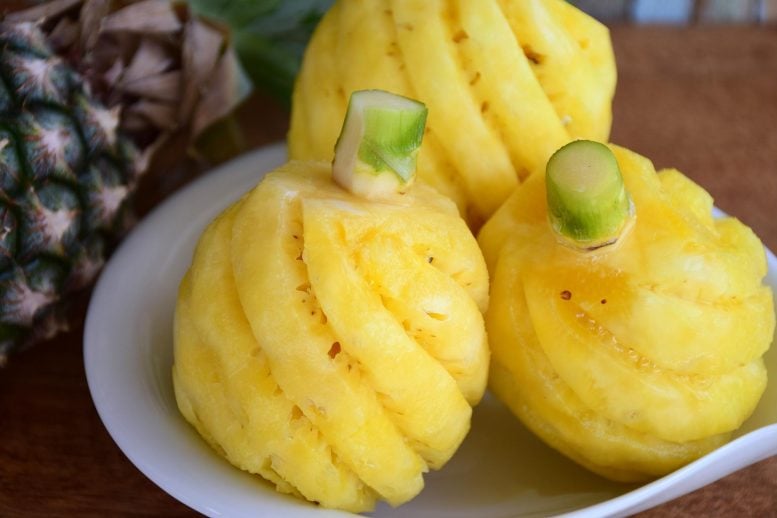
Pineapple
Pineapple is a tasty tropical fruit bursting with vitamin C, manganese, and the anti-inflammatory enzyme bromelain. Naturopathic practitioners have long used bromelain as an alternative therapy for various health conditions, including seasonal allergy relief.
Bromelain works by breaking down proteins in the body that contribute to inflammation. This process helps reduce swelling in the mucous membranes of the sinuses, which contributes to the stuffiness associated with seasonal allergies.
Plus, pineapple is rich in vitamin C and helps regulate histamine levels, which is another factor contributing to allergic reactions and symptoms.
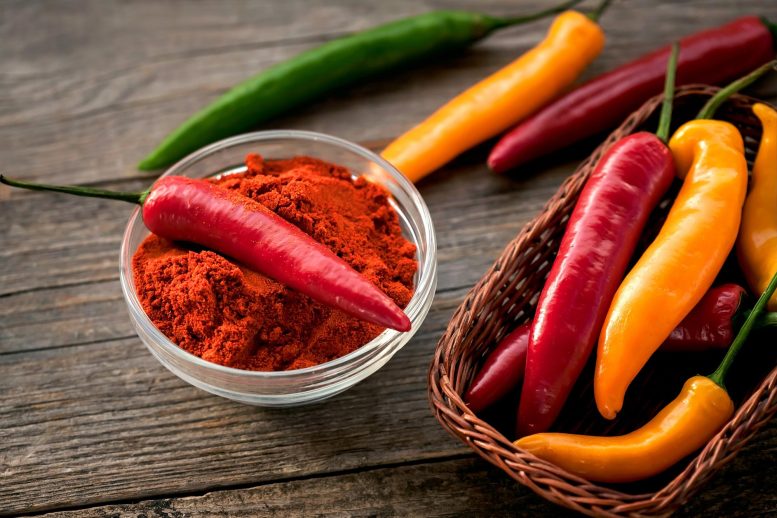
Cayenne
This hot pepper is a wonderful natural decongestant. It can help clear stuffy noses and sinuses and reduce post-nasal drip. Plus, it helps thin mucous secretions, making seasonal allergy symptoms less unpleasant. You can add this spice to soups, stews, or even baked goods to enjoy its benefits. Another delicious way to add this to your diet is by sprinkling a small amount onto finished foods. Be careful though! Cayenne is hot and spicy.
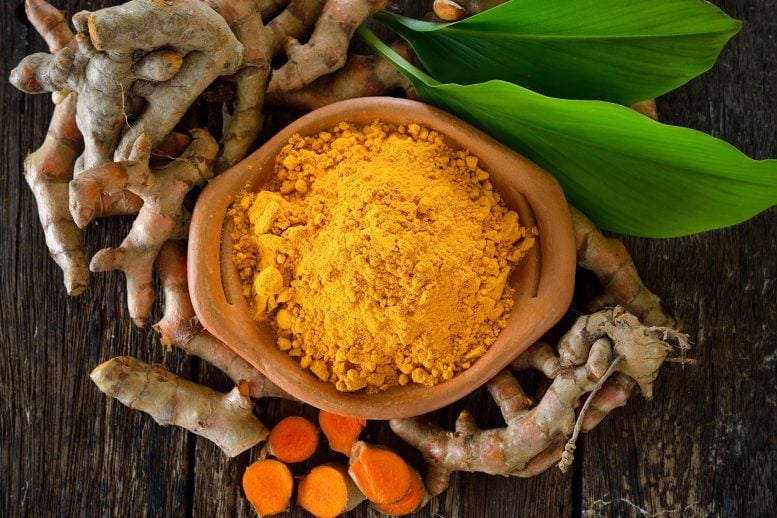
Turmeric
Turmeric is a spice commonly used in Indian and Thai cooking, types of cuisine that help reduce inflammation. You can buy it as a supplement in most health foods stores and as a spice at the supermarket. Adding turmeric to your diet is an easy way to potentially combat seasonal allergies naturally. The active ingredient in turmeric, called curcumin, reduces the release of histamine, a chemical that causes allergic symptoms, in mice. Studies in humans are still limited, but curcumin holds promise for reducing pesky seasonal allergy symptoms, and it’s a tasty way to flavor foods.
Other allergy relief tips:
- Drink at least 8 ounces of water daily to thin out nasal secretions. Antihistamines, used to treat allergy symptoms, also dry out your mouth and nasal passages.
- Avoid alcohol, since it’s a diuretic.
- Avoid smoking — it irritates respiratory membranes and prevents cilia (the tiny hairs in your nose that catch allergens) from working properly.
- Use an air filter in your room.
- Take a shower every day to remove pollen from your skin.
- Change clothes after working out outdoors.
- Change your sheets and clothes regularly.
- Use a humidifier to add moisture to the air.
The Bottom Line
While allergy seasons may not be going away anytime soon, proper nutrition is one aspect of controlling your symptoms and staying healthy during allergy season.
References:
- “Probiotics May Help Relieve Seasonal Allergies – Live Science.” 4 May 2015, livescience.com/50723-probiotics-help-relieve-seasonal-allergies.html.
- “Vitamin C for Allergies: Effectiveness, Uses, and Precautions.” 2 March 2021, healthline.com/nutrition/vitamin-c-for-allergies.
- Kurup VP, Barrios CS. Immunomodulatory effects of curcumin in allergy. Mol Nutr Food Res. 2008 Sep;52(9):1031-9. doi: 10.1002/mnfr.200700293. PMID: 18398870.
Never miss a breakthrough: Join the SciTechDaily newsletter.
Follow us on Google and Google News.
1 Comment
I have gone through the blog post and I must admit it is very informative. I liked the writing style too. Keep up the good work and share more contents. Cheers!