
Close Menu
    Facebook X (Twitter) Instagram
    SciTechDaily
    • Biology
    • Chemistry
    • Earth
    • Health
    • Physics
    • Science
    • Space
    • Technology
    Facebook X (Twitter) Pinterest YouTube RSS
    SciTechDaily
    Home»Space»Meet NASA Astronaut & Artemis Team Member Warren “Woody” Hoburg [Video]
    Space

    Meet NASA Astronaut & Artemis Team Member Warren “Woody” Hoburg [Video]

    By NASAFebruary 13, 2021No Comments2 Mins Read
    Facebook Twitter Pinterest Telegram LinkedIn WhatsApp Email Reddit
    Share
    Facebook Twitter LinkedIn Pinterest Telegram Email Reddit
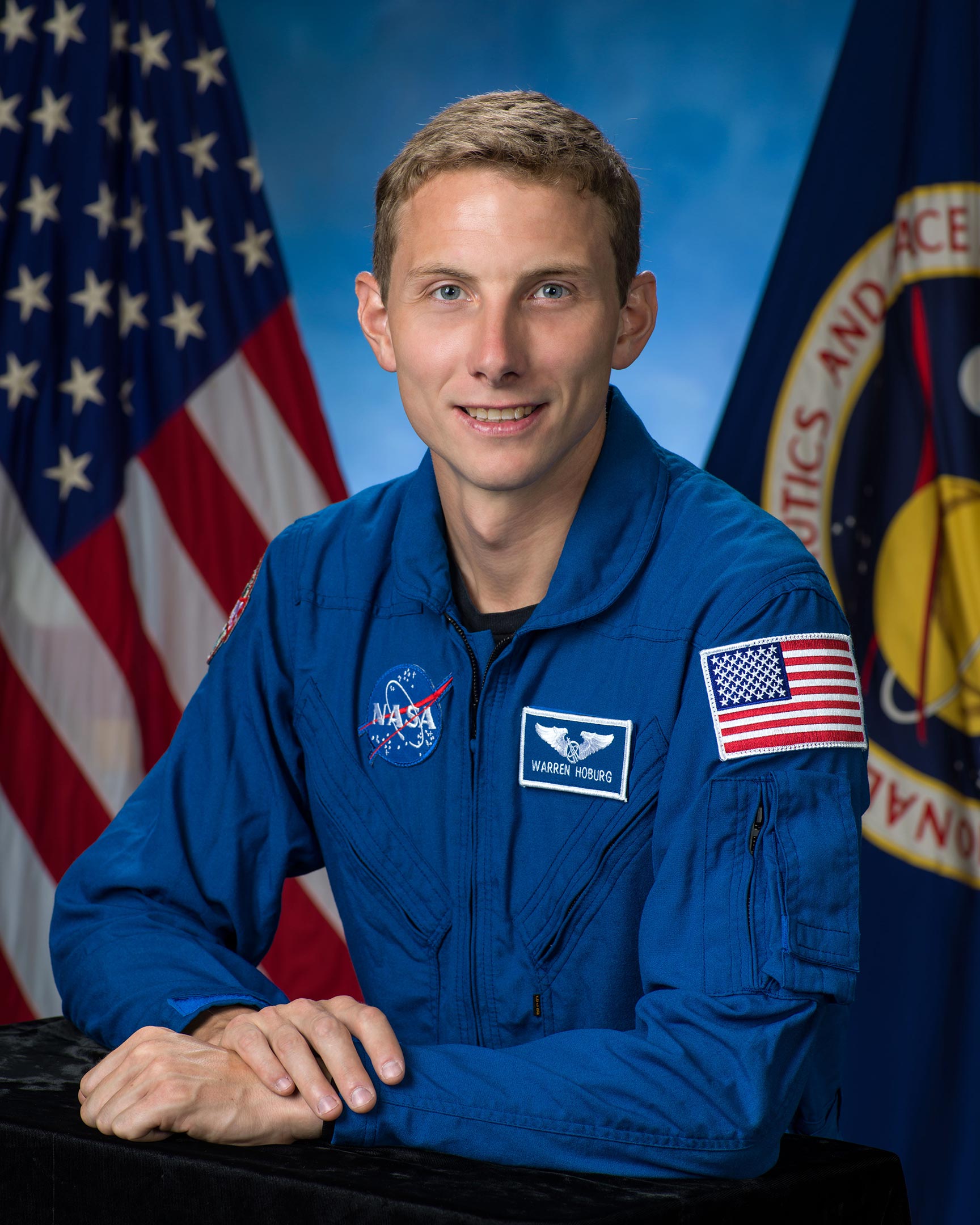
    NASA Astronaut Warren Hoburg
    NASA Portrait of astronaut Warren Hoburg. Credit: NASA

    NASA astronaut Woody Hoburg is a member of the Artemis Team, a select group of astronauts charged with focusing on the development and training efforts for early Artemis missions.

    Warren “Woody” Hoburg was selected by NASA to join the 2017 Astronaut Candidate Class. He reported for duty in August 2017 and completed two years of training as an Astronaut Candidate. The Pennsylvania native earned a bachelor’s degree in Aeronautics and Astronautics from the Massachusetts Institute of Technology (MIT) and a Doctorate in Electrical Engineering and Computer Science from the University of California, Berkeley. He was leading a research group at MIT at the time of his selection. He is a commercial pilot and has extensive wilderness search and rescue experience.

    At the time of his selection in June 2017, Hoburg was an assistant professor of Aeronautics and Astronautics at MIT, where he taught undergraduate courses on Dynamics and Flight Vehicle Engineering. Hoburg’s research focused on efficient methods for design of engineering systems. His group produced and maintains the open-source software tool GPkit, which is a Python package for geometric programming. His group’s tools were used to design a five-day endurance UAV currently under development for the US Air Force. Prior to MIT, he worked for Boeing Commercial Airplanes Product Development on software for composite manufacturing processes. From 2010-2013, he was a seasonal member of Yosemite Search and Rescue and an Operations Leader for the Bay Area Mountain Rescue Unit.

    Through the Artemis program NASA and a coalition of international partners will return to the Moon to learn how to live on other worlds for the benefit of all. With Artemis missions NASA will send the first woman and the next man to the Moon in 2024 and about once per year thereafter.

    Through the efforts of humans and robots, we will explore more of the Moon than ever before; to lead a journey of discovery that benefits our planet with life changing science, to use the Moon and its resources as a technology testbed to go even farther and to learn how to establish and sustain a human presence far beyond Earth.

    Never miss a breakthrough: Join the SciTechDaily newsletter.
    Follow us on Google and Google News.

    ARTEMIS Mission Astronaut NASA
    Share. Facebook Twitter Pinterest LinkedIn Email Reddit

    Related Articles

    Meet the Artemis III Astronauts Preparing for NASA’s Boldest Moon Mission Yet

    Meet NASA Astronaut & Artemis Team Member Jasmin Moghbeli [Video]

    Meet NASA Astronaut & Artemis Team Member Raja Chari [Video]

    Meet NASA Astronaut & Artemis Team Member Joe Acaba [Video]

    Orion Spacecraft Training Simulator Arrives at NASA’s Johnson Space Center

    Here Are the 18 Astronauts NASA Selected to Form the Artemis Team – Eligible for Early Moon Missions

    NASA’s Lunar Loo Challenge: $35,000 in Prizes for Toilet Design That Works on the Moon

    More Than 12,000 Potential Astronauts Apply to Join NASA’s Artemis Generation

    Exploration Extravehicular Mobility Unit – Next Generation Spacesuit for Artemis Astronauts

    Leave A Reply Cancel Reply

    • Facebook
    • Twitter
    • Pinterest
    • YouTube

    Don't Miss a Discovery

    Subscribe for the Latest in Science & Tech!

    Trending News

    These Toads Are Surviving a Deadly Fungus – Scientists May Finally Know Why

    These Brain Cells May Explain Why We Eventually Have To Sleep

    Tomatoes Contain an Invisible Ingredient With Surprising Effects on Liver Health

    World’s First Heat-Powered Cooling System Turns Waste Heat Into Cold

    Antarctica Gained a Record 695 Billion Tons of Ice in Just Two Years

    Don’t Miss: A Brilliant Venus and Glowing Harvest Moon Light Up the Sky

    New Twist on the Einstein Problem Reveals Unexpected Physics

    JWST Captures Stunning Evidence of How Supermassive Black Holes Feed

    Follow SciTechDaily
    • Facebook
    • Twitter
    • YouTube
    • Pinterest
    • Newsletter
    • RSS
    SciTech News
    • Biology News
    • Chemistry News
    • Earth News
    • Health News
    • Physics News
    • Science News
    • Space News
    • Technology News
    Recent Posts
    • Princeton AI Tames Fusion Plasma Hotter Than the Sun
    • NASA Restarts Swift Telescope as It Slowly Falls Toward Earth
    • MIT Engineers Create a Living Circuit Board From Bacteria
    • Cardiac Breakthrough Could Offer Lifesaving Treatment to More Patients
    • Scientists Uncover New Clues Behind the “Suicide Headache” Mystery
    Copyright © 1998 - 2026 SciTechDaily. All Rights Reserved.
    • Science News
    • About
    • Contact
    • Editorial Board
    • Privacy Policy
    • Terms of Use

    Type above and press Enter to search. Press Esc to cancel.