
Close Menu
    Facebook X (Twitter) Instagram
    SciTechDaily
    • Biology
    • Chemistry
    • Earth
    • Health
    • Physics
    • Science
    • Space
    • Technology
    Facebook X (Twitter) Pinterest YouTube RSS
    SciTechDaily
    Home»Space»More Than 12,000 Potential Astronauts Apply to Join NASA’s Artemis Generation
    Space

    More Than 12,000 Potential Astronauts Apply to Join NASA’s Artemis Generation

    By NASAApril 2, 2020No Comments3 Mins Read
    Facebook Twitter Pinterest Telegram LinkedIn WhatsApp Email Reddit
    Share
    Facebook Twitter LinkedIn Pinterest Telegram Email Reddit
    NASA Astronaut Scott Tingle
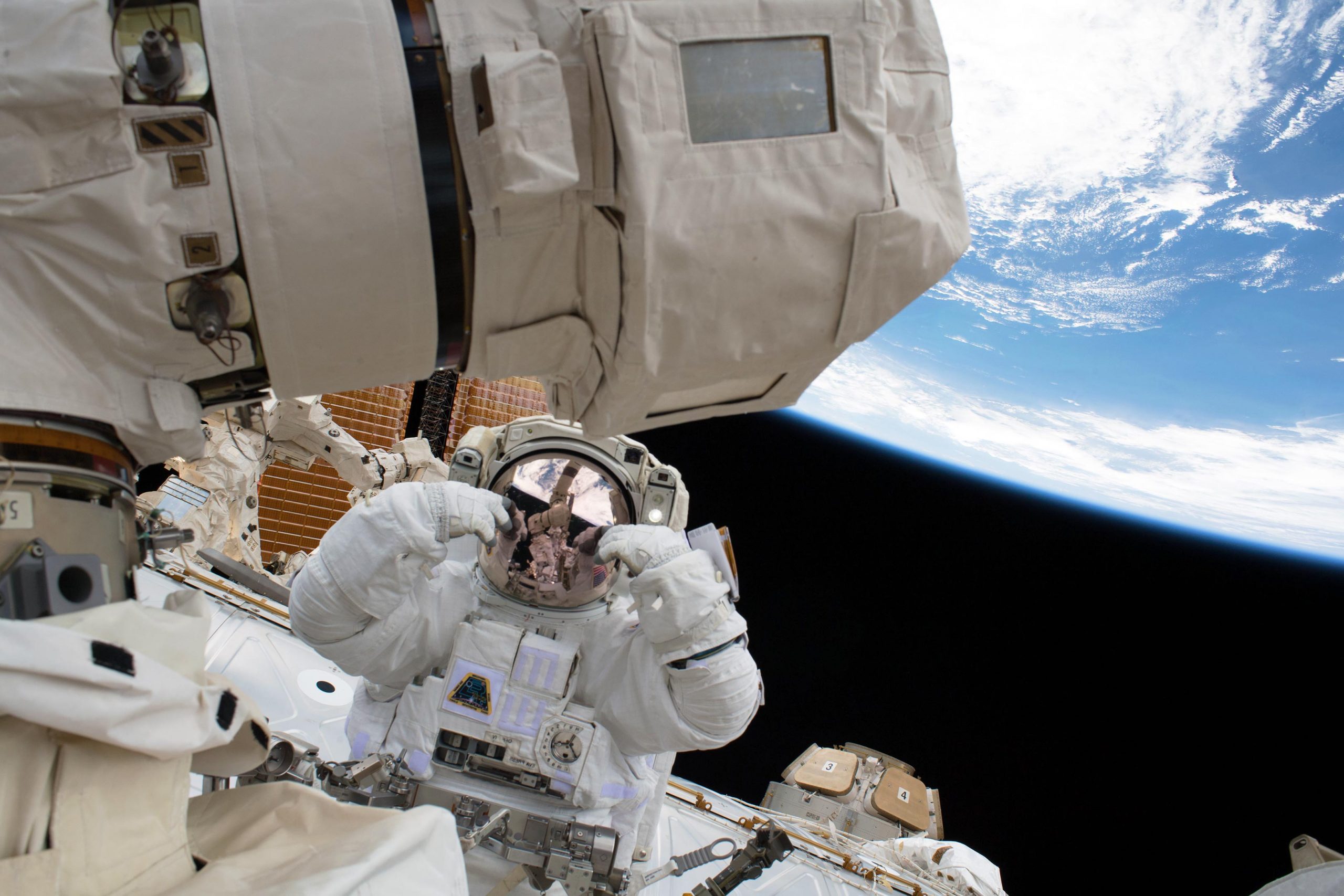
    Thousands of Americans apply to be the next Artemis generation astronauts. NASA astronaut Scott Tingle is pictured during a spacewalk to swap out a degraded robotic hand, or Latching End Effector, on the Canadarm2. NASA astronaut Mark Vande Hei also participated in the robotics maintenance spacewalk. Credit: NASA

    More than 12,000 people have applied to join NASA’s next class of astronauts, demonstrating strong national interest to take part in America’s plans to explore the Moon and take humanity’s next giant leap – human missions to Mars.

    Applications were received from every U.S. state, the District of Columbia, and four U.S. territories. However, the process is just beginning for NASA’s Astronaut Selection Board, which will assess the applicants’ qualifications and invite the most qualified candidates to the agency’s Johnson Space Center in Houston for interviews and medical tests before making a final selection. NASA expects to introduce the new astronaut candidates in the summer of 2021.

    “We’ve entered a bold new era of space exploration with the Artemis program, and we are thrilled to see so many incredible Americans apply to join us,” said NASA Administrator Jim Bridenstine. “The next class of Artemis Generation astronauts will help us explore more of the Moon than ever before and lead us to the Red Planet.”

    The application for the newest class of astronauts opened March 2 and closed March 31. The number of people who applied to be an astronaut represents the second-highest number of applications NASA has ever received, surpassed only by the record of 18,300 set by the most recent class of astronauts who graduated in January.

    For this round of applications, NASA increased the education requirement for applicants from a bachelor’s degree to a master’s degree in a science, technology, math, or engineering field. In addition, the application period was shortened from two months to one.

    “We’re able to build such a strong astronaut corps at NASA because we have such a strong pool of applicants to choose from,” said Anne Roemer, manager of the Astronaut Selection Board and director of human resources at Johnson. “It’s always amazing to see the diversity of education, experience, and skills that are represented in our applicants. We are excited to start reviewing astronaut applications to identify the next class of astronaut candidates.”

    Since the 1960s, NASA has selected 350 people to train as astronaut candidates for its increasingly challenging missions to explore space. With 48 astronauts in the active astronaut corps, more will be needed to serve as crew aboard spacecraft bound for multiple destinations and propel exploration forward as part of Artemis missions and beyond.

    Once selected, the astronaut candidates will go through approximately two years of initial skills training, such as spacewalking, robotics, and spacecraft systems, as well as expeditionary behavior skills, such as leadership, followership, and teamwork. After completing training, the new astronauts could launch on American rockets and spacecraft — developed for NASA’s Commercial Crew Program — to live and work aboard the International Space Station, 250 miles above Earth. There they will take part in experiments that benefit life at home and prepare us for the Moon and Mars.

    This new class also may launch aboard NASA’s powerful new Space Launch System rocket and Orion spacecraft for Artemis missions to the Moon. Beginning in 2024, NASA will send the first woman and next man to the lunar surface and will establish sustainable lunar exploration by 2028. Gaining insights from new experiences on and around the Moon will prepare NASA to send the first humans to Mars in the 2030s.

    Never miss a breakthrough: Join the SciTechDaily newsletter.
    Follow us on Google and Google News.

    ARTEMIS Mission Astronaut NASA
    Share. Facebook Twitter Pinterest LinkedIn Email Reddit

    Related Articles

    Meet NASA Astronaut & Artemis Team Member Matthew Dominick [Video]

    Meet NASA Astronaut & Artemis Team Member Stephanie Wilson [Video]

    Meet NASA Astronaut & Artemis Team Member Jasmin Moghbeli [Video]

    Meet NASA Astronaut & Artemis Team Member Raja Chari [Video]

    Meet NASA Astronaut & Artemis Team Member Joe Acaba [Video]

    Orion Spacecraft Training Simulator Arrives at NASA’s Johnson Space Center

    Here Are the 18 Astronauts NASA Selected to Form the Artemis Team – Eligible for Early Moon Missions

    NASA’s Lunar Loo Challenge: $35,000 in Prizes for Toilet Design That Works on the Moon

    Exploration Extravehicular Mobility Unit – Next Generation Spacesuit for Artemis Astronauts

    Leave A Reply Cancel Reply

    • Facebook
    • Twitter
    • Pinterest
    • YouTube

    Don't Miss a Discovery

    Subscribe for the Latest in Science & Tech!

    Trending News

    Scientists Call for a Complete Rethink of Alzheimer’s Treatment

    Scientists Identify Molecular Switch That Lets Exercise Reverse Muscle Aging

    Why Your Most Vivid Dreams Might Be the Key to Deep, Restful Sleep

    A Bright Star Hid a Massive Secret for 50 Years: Mystery of Gamma Cassiopeiae Finally Solved

    Scientists Identify Protein That Slows Key Effects of Aging

    Revolutionary Submarine Mysteriously Disappears Without a Trace – Scientists Are Now Preparing for a Bold Return

    Why Drinking More Water Isn’t Enough To Stop Kidney Stones

    New Study Reveals Surprising Effect of Drinking Coffee at Night

    Follow SciTechDaily
    • Facebook
    • Twitter
    • YouTube
    • Pinterest
    • Newsletter
    • RSS
    SciTech News
    • Biology News
    • Chemistry News
    • Earth News
    • Health News
    • Physics News
    • Science News
    • Space News
    • Technology News
    Recent Posts
    • Your BMI Might Be Wrong: Study Finds Millions Are Misclassified
    • More Than Half of U.S. College Students Are Lonely, Major Study Reveals
    • Scientists Reveal Biological Signal Behind Mysterious Alzheimer’s Drug Side Effect
    • A Simple Blood Test Could Predict Dementia Risk 25 Years Early
    • Scientists Uncover Unexpected Behavior Deep Inside Earth’s Mantle
    Copyright © 1998 - 2026 SciTechDaily. All Rights Reserved.
    • Science News
    • About
    • Contact
    • Editorial Board
    • Privacy Policy
    • Terms of Use

    Type above and press Enter to search. Press Esc to cancel.