
Close Menu
    Facebook X (Twitter) Instagram
    SciTechDaily
    • Biology
    • Chemistry
    • Earth
    • Health
    • Physics
    • Science
    • Space
    • Technology
    Facebook X (Twitter) Pinterest YouTube RSS
    SciTechDaily
    Home»Space»Orion Spacecraft Training Simulator Arrives at NASA’s Johnson Space Center
    Space

    Orion Spacecraft Training Simulator Arrives at NASA’s Johnson Space Center

    By NASADecember 19, 20204 Comments2 Mins Read
    Facebook Twitter Pinterest Telegram LinkedIn WhatsApp Email Reddit
    Share
    Facebook Twitter LinkedIn Pinterest Telegram Email Reddit
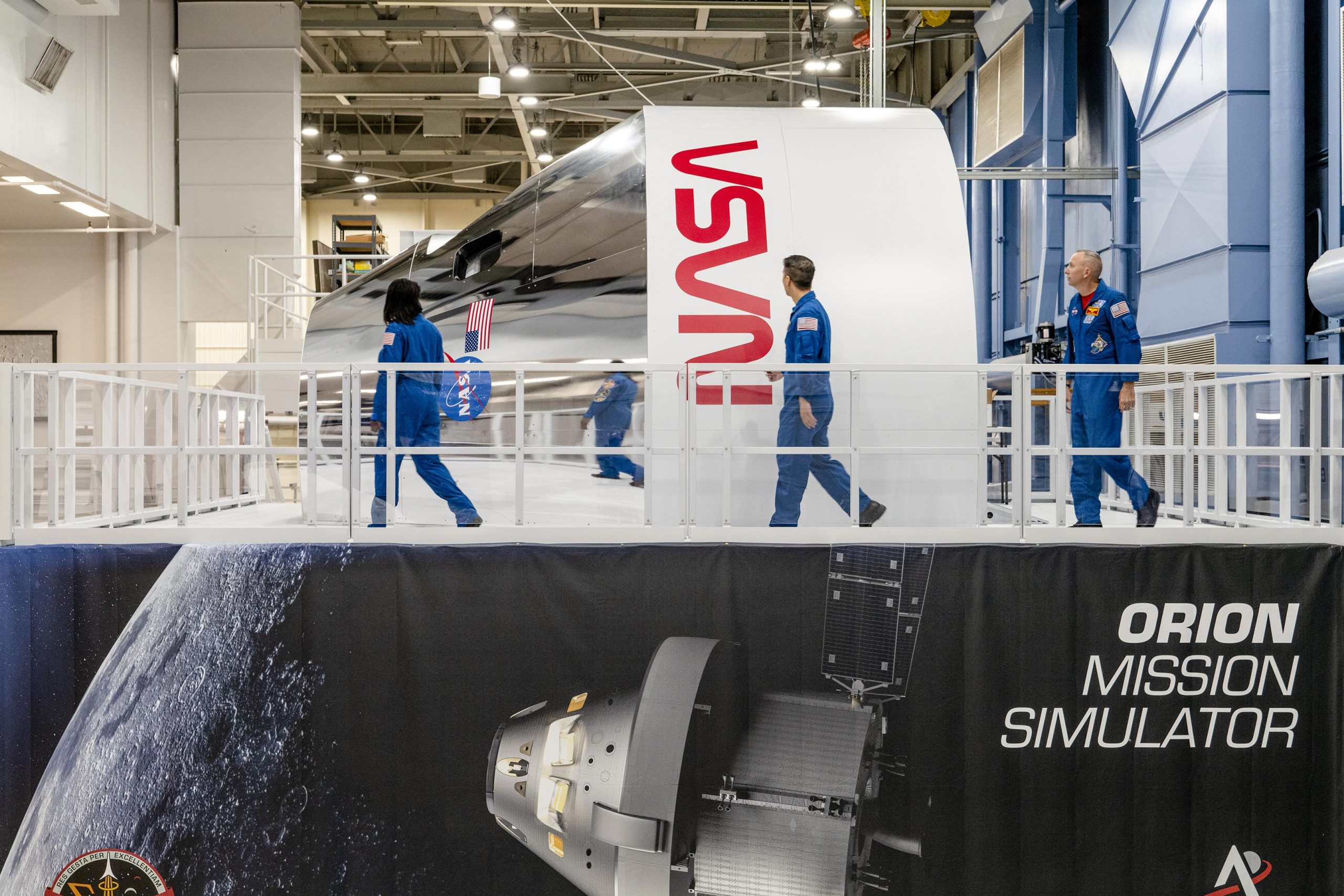
    Orion Mission Simulator
    NASA Astronauts Stephanie Wilson, Jonny Kim, and Randy Bresnik take a look at the Orion spacecraft simulator that recently arrived at the agency’s Johnson Space Center in Houston. Credit: NASA

    NASA Astronauts Stephanie Wilson, Jonny Kim, and Randy Bresnik take a look at the Orion spacecraft simulator that recently arrived at the agency’s Johnson Space Center in Houston. The simulator provides the ability for astronauts, engineers, and flight controllers to train and practice for scenarios during Artemis missions to the Moon. The interior of the simulator is being outfitted with Orion’s display and control system and crew seats to mimic what astronaut will experience during liftoff to the lunar vicinity and on their way back home to Earth.

    Kim and Wilson are among the 18 astronauts recently named to the Artemis Team of astronauts eligible to be selected for Artemis missions to the Moon. Bresnik is currently the assistant to the chief of the astronaut office for exploration. NASA is targeting 2023 for Artemis II, the first mission with crew, with the Orion Spacecraft set to launch atop the agency’s Space Launch System rocket. The mission will send astronauts around the Moon and return them back to Earth, a flight that will set the stage for the first woman and next man to step foot on the Moon in 2024.
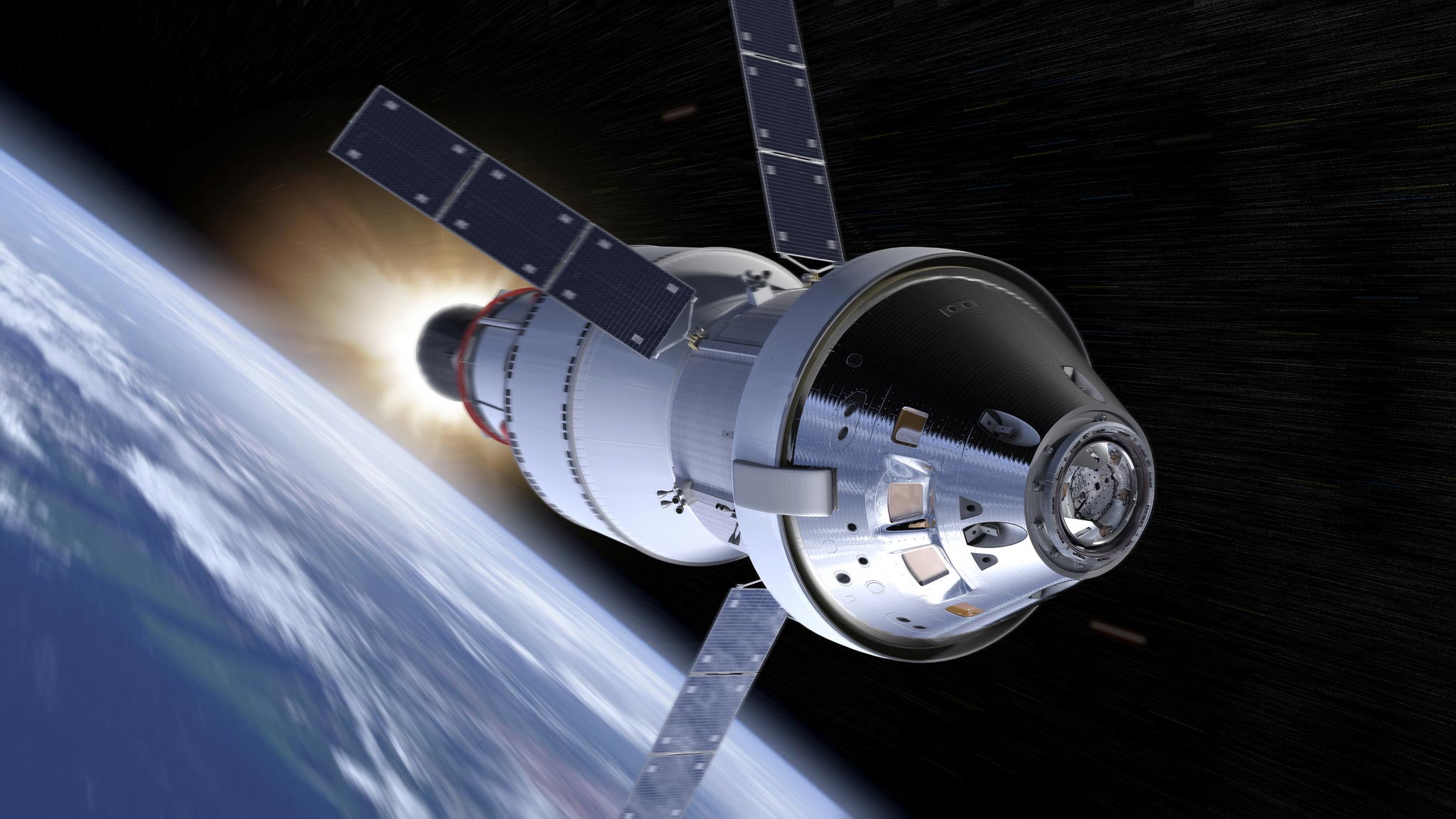
    Orion Spacecraft
    During Artemis I, Orion will venture thousands of miles beyond the moon during an approximately three week mission. Credit: NASA

    NASA’s Orion spacecraft is built to take humans farther than they’ve ever gone before. Orion will serve as the exploration vehicle that will carry the crew to space, provide emergency abort capability, sustain the crew during the space travel, and provide safe re-entry from deep space return velocities. Orion will launch on NASA’s new heavy-lift rocket, the Space Launch System.

    Never miss a breakthrough: Join the SciTechDaily newsletter.
    Follow us on Google and Google News.

    ARTEMIS Mission Astronaut Johnson Space Center NASA
    Share. Facebook Twitter Pinterest LinkedIn Email Reddit

    Related Articles

    Life on Mars: Lessons From NASA’s 378-Day CHAPEA Experiment

    Moonwalk Rehearsals: NASA’s High-Tech Simulations in Arizona’s Lunar Landscape

    NASA Prepares “Moonikin” Commander for Artemis I Moon Mission

    Thanksgiving in Zero Gravity: Preparing Dinner at the International Space Station [Video]

    Space Station Crew Discusses the Meaning of Thanksgiving and What They Will Eat [Video]

    Space Station 20th: A Look Back at the First NASA Research on ISS

    NASA’s Lunar Loo Challenge: $35,000 in Prizes for Toilet Design That Works on the Moon

    More Than 12,000 Potential Astronauts Apply to Join NASA’s Artemis Generation

    Exploration Extravehicular Mobility Unit – Next Generation Spacesuit for Artemis Astronauts

    4 Comments

    1. The 10th Man on December 19, 2020 7:38 am

      None of that is going to help those poor volunteers. That capsule is going to end up docking with an asteroid in the Sirius star system. We will never see them again.

      Reply
    2. Kenneth Topper on December 19, 2020 8:08 am

      The guy that commented above about docking with an asteroid is smoking crack.

      Reply
    3. personx on December 19, 2020 8:37 am

      wow it’s shiny

      Reply
    4. Bonnie Davis on December 19, 2020 11:41 am

      Not just a testimony to the science involved but a work of art. I know lots of people who would love to sit at the controls. They are just put off by the incredibly hard work the Astronauts have gone through to get to sit there. Carry on Heroes of Earth!

      Reply
    Leave A Reply Cancel Reply

    • Facebook
    • Twitter
    • Pinterest
    • YouTube

    Don't Miss a Discovery

    Subscribe for the Latest in Science & Tech!

    Trending News

    The Universe Is Expanding Too Fast and Scientists Can’t Explain Why

    “Like Liquid Metal”: Scientists Create Strange Shape-Shifting Material

    Early Warning Signals of Esophageal Cancer May Be Hiding in Plain Sight

    Common Blood Pressure Drug Shows Surprising Power Against Deadly Antibiotic-Resistant Superbug

    Scientists Uncover Dangerous Connection Between Serotonin and Heart Valve Disease

    Scientists Discover a “Protector” Protein That Could Help Reverse Hair Loss

    Bone-Strengthening Discovery Could Reverse Osteoporosis

    Scientists Uncover Hidden Trigger Behind Stem Cell Aging

    Follow SciTechDaily
    • Facebook
    • Twitter
    • YouTube
    • Pinterest
    • Newsletter
    • RSS
    SciTech News
    • Biology News
    • Chemistry News
    • Earth News
    • Health News
    • Physics News
    • Science News
    • Space News
    • Technology News
    Recent Posts
    • A Common Diabetes Drug May Hold the Key to Stopping HIV From Coming Back
    • Ancient “Syphilis-Like” Disease in Vietnam Challenges Key Scientific Assumptions
    • Drinking Alcohol To Cope in Your 20s Could Damage Your Brain for Life
    • Scientists Crack Alfalfa’s Chromosome Mystery After Decades of Debate
    • Ancient Ant-Plant Alliance Collapses As Predatory Wasps Move In
    Copyright © 1998 - 2026 SciTechDaily. All Rights Reserved.
    • Science News
    • About
    • Contact
    • Editorial Board
    • Privacy Policy
    • Terms of Use

    Type above and press Enter to search. Press Esc to cancel.