
Close Menu
    Facebook X (Twitter) Instagram
    SciTechDaily
    • Biology
    • Chemistry
    • Earth
    • Health
    • Physics
    • Science
    • Space
    • Technology
    Facebook X (Twitter) Pinterest YouTube RSS
    SciTechDaily
    Home»Earth»Hundreds of Cape Fur Seals Entangled in Fishing Lines and Nets Every Year – Causing Horrific Injuries and Painful Deaths
    Earth

    Hundreds of Cape Fur Seals Entangled in Fishing Lines and Nets Every Year – Causing Horrific Injuries and Painful Deaths

    By Stellenbosch UniversitySeptember 18, 20213 Comments4 Mins Read
    Facebook Twitter Pinterest Telegram LinkedIn WhatsApp Email Reddit
    Share
    Facebook Twitter LinkedIn Pinterest Telegram Email Reddit
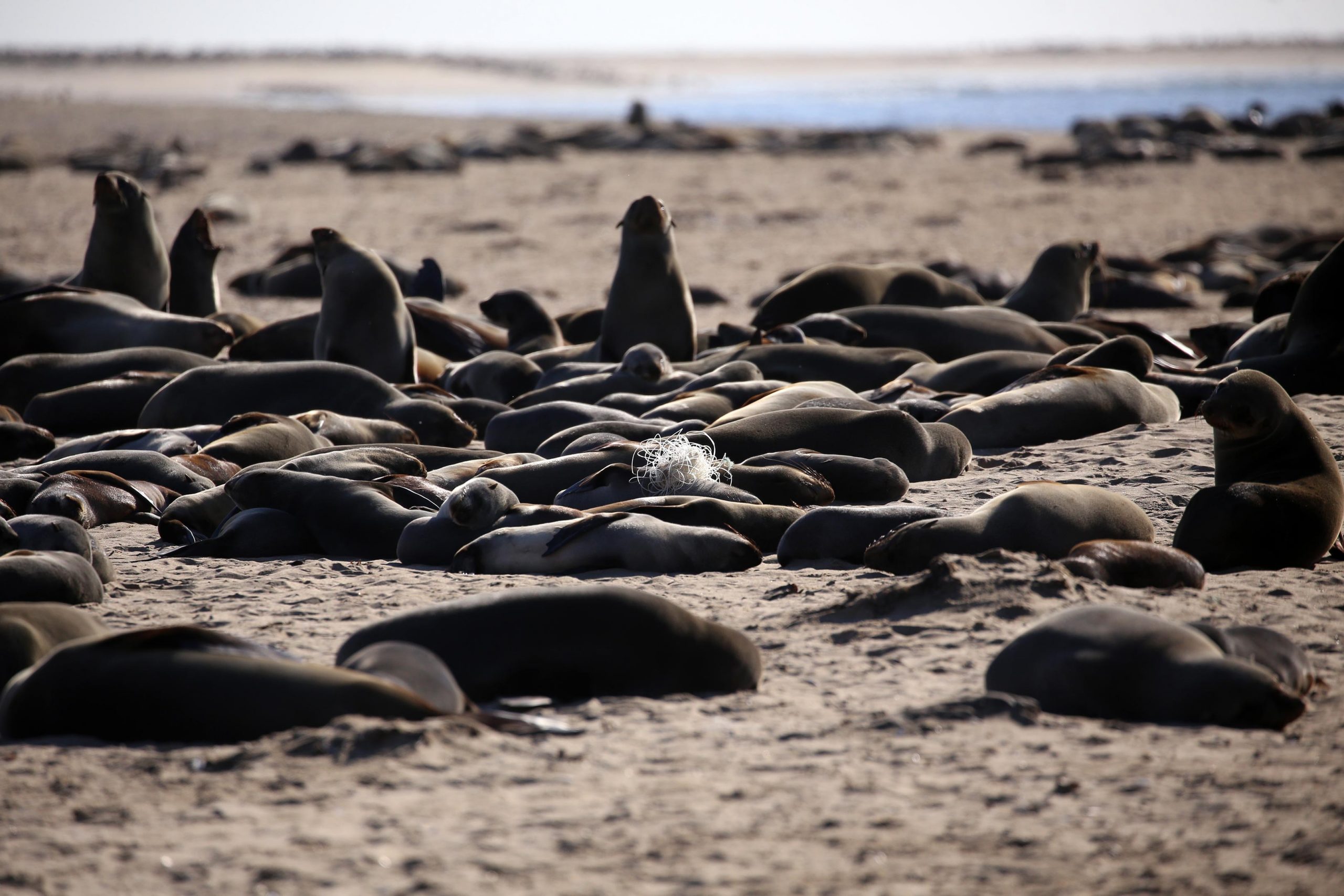
    Cape Fur Seal Colony
    Fishing line and nets are having a major impact on Cape fur seals (Arctocephalus pusillus pusillus), the most common marine mammal observed around the coastline of South Africa and Namibia, where they are endemic. Credit: M Laubscher

    High number of affected animals were pups and juveniles, which were mainly entangled around the neck by fishing line.

    Fishing line and nets are having a major impact on Cape fur seals (Arctocephalus pusillus pusillus), the most common marine mammal observed around the coastline of South Africa and Namibia, where they are endemic.

    While their population numbers are considered healthy, plastic pollution, and particularly fishing line and nets, are causing horrific injuries and can result in a slow, painful death.
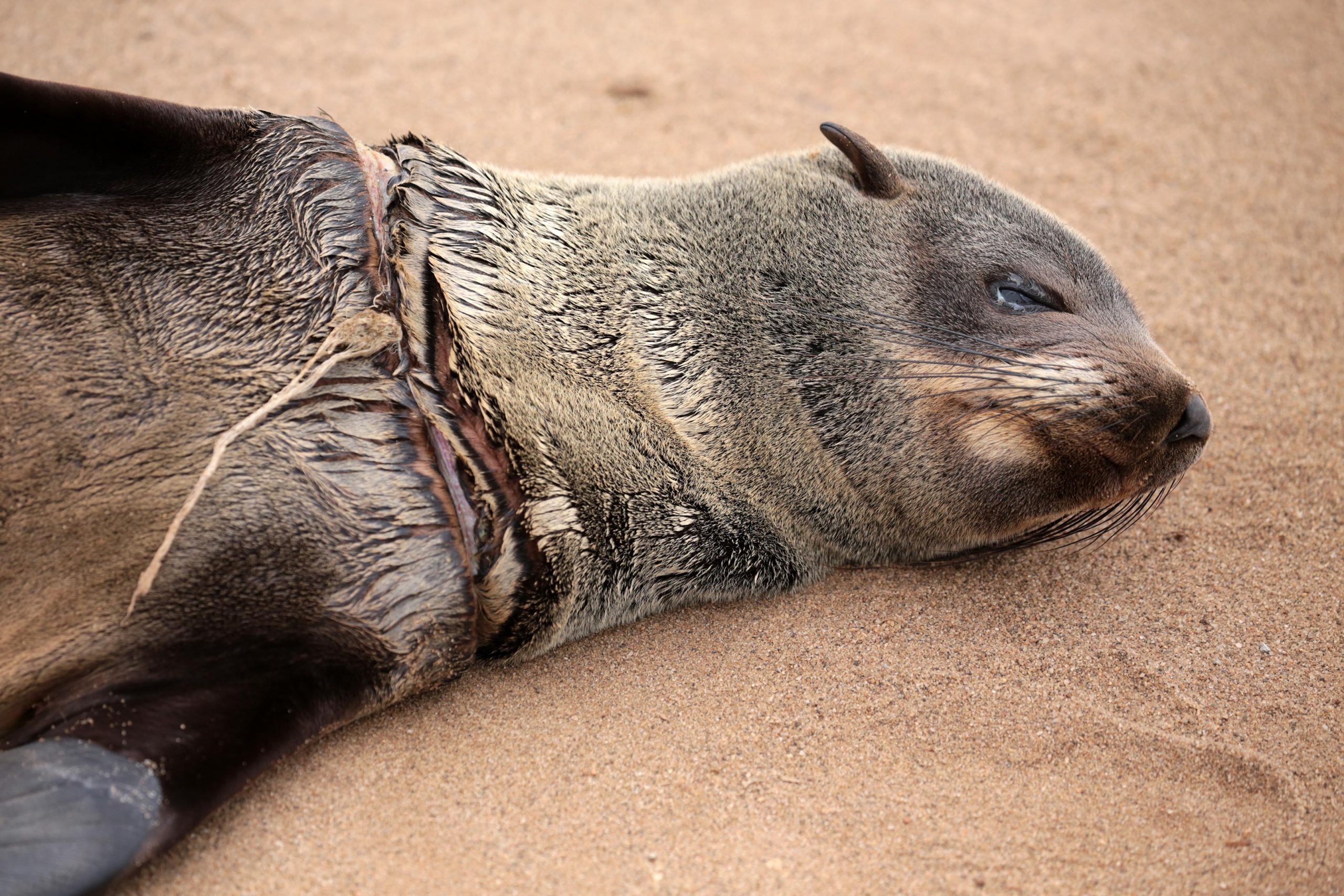
    Fishing Lines Cause Horrific Injuries to Cape Fur Seals
    Plastic pollution, and particularly fishing line and nets, are causing horrific injuries to Cape fur seals and can result in a slow, painful death. Credit: Dr. Tess Gridley

    These are the first results from an ongoing project, initiated in 2018, to investigate the impact of pollution on Cape fur seals in Namibia. The project involves researchers and conservationists from Stellenbosch University, Sea Search-Namibian Dolphin Project, and Ocean Conservation Namibia.

    The team monitors the entanglement rates of seals and Ocean Conservation Namibia have been disentangling many of the animals affected. The first results from the project were published this week in the scientific journal Marine Pollution Bulletin.

    The study demonstrated that a high number of affected animals were pups and juveniles, which were mainly entangled around the neck by fishing line.  Rates of entanglement were roughly 1 per 500 animals and was similar between the two colonies investigated at Walvis Bay and Cape Cross. Of the 347 entangled animals documented, the disentanglement team, led by Naudé Dreyer of Ocean Conservation Namibia, were able to successfully disentangled 191 individuals between 2018 and March 2020.
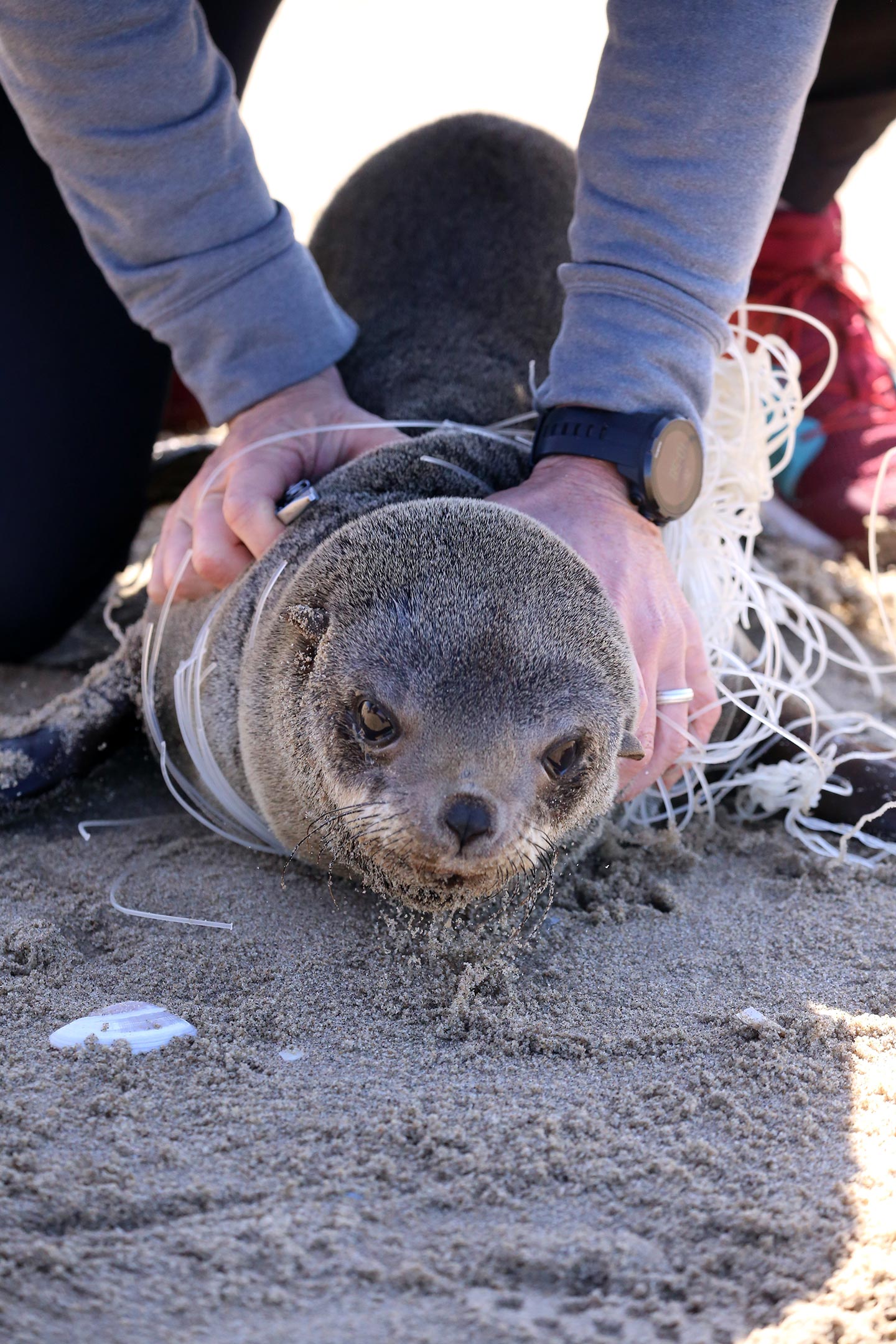
    Fishing Line Entanglement of Juvenile Cape Fur Seals
    A new study demonstrated that a high number of affected Cape fur seals were pups and juveniles, which were mainly entangled around the neck by fishing line. Credit: M Laubscher

    Working in Africa with limited recourses, the team also compared low cost methods of data collection. They found that photographic scans of the colonies were a fast and accurate method to collect data on entangled individuals and the materials they are trapped in.

    A Call for Policy Change and Global Accountability

    Dr. Tess Gridley, co-director of the Namibia Dolphin Project and an extraordinary senior lecturer in the Department of Botany and Zoology at Stellenbosch University, says plastic pollution and particularly lost and discarded fishing nets are having a big impact to marine life: “Once entangled, these seals face a very painful and uncertain future: finding food becomes harder and wounds can become deep and debilitating, and likely cause death in many cases. Changes to policy could help, such as financial incentives to recover lines, safe disposal of nets and sustainable alternatives to plastics.”

    Stephanie Curtis, a research student with the Namibian Dolphin Project and lead author, says the impact of plastic pollution in the oceans is devastating: “Seals should not have to suffer this way because of our carelessness with waste.”

    According to Dr. Simon Elwen, co-director of the Namibian Dolphin Project and also associated with SU’s Department of Botany and Zoology, fur seals are especially vulnerable to becoming entangled: “They are very curious and playful animals and will investigate objects in the water, but their thick, backward facing fur which keeps them warm at sea easily snags lines and straps and stops it falling back off.”

    Naudé Dreyer from Ocean Conservation Namibia says the project is ongoing: “Since the start of 2021 we have already disentangled over 600 fur seals in only two colonies. This is the tip of the iceberg. It is imperative that studies such as this highlight the consequences of plastic waste on marine animals, and bring around change for the better.”

    Reference: “Entanglement of Cape fur seals (Arctocephalus pusillus pusillus) at colonies in central Namibia” by S. Curtis, S. H. Elwen, N. Dreyer and T. Gridley, 4 August 2021, Marine Pollution Bulletin.
    DOI: 10.1016/j.marpolbul.2021.112759

    Never miss a breakthrough: Join the SciTechDaily newsletter.
    Follow us on Google and Google News.

    Conservation Fish Marine Biology Pollution Stellenbosch University
    Share. Facebook Twitter Pinterest LinkedIn Email Reddit

    Related Articles

    Shifting Ocean Closures Is Best Way To Protect Animals From Accidental Catch by Fishermen

    Global Ocean Patterns of Mercury Pollution Revealed by Bluefin Tuna

    Microplastic Pollution Found in Deep Sediments on the Ocean Floor

    Invasive Species to Blame for High Mercury Concentrations in Great Lakes Fish

    “Coughing” Scallops Are Early Warning System for Worsening Water Quality

    New Chinese Survey Reveals Extensive Coastal Pollution

    Plans to Protect Antarctic Sea Faces Difficult Challenges

    Amazon Fire Analysis Might Close Gaps in Climate Models

    Antarctic Ecosystems Threatened by Invasive Alien Species and Climate Change

    3 Comments

    1. Sam Crossley-Osborne on September 19, 2021 2:29 am

      Beaches where seals breed should always be cleaned and abandoned litter and old fishing nets should be picked up and taken away to rubbish dumps.

      Reply
    2. stephen schaffer on September 19, 2021 9:13 am

      Fishermen getting rid of the competition.

      Reply
    3. xABBAAA on September 28, 2021 7:08 am

      … horrible…

      Reply
    Leave A Reply Cancel Reply

    • Facebook
    • Twitter
    • Pinterest
    • YouTube

    Don't Miss a Discovery

    Subscribe for the Latest in Science & Tech!

    Trending News

    Once-in-a-Century Impact: NASA Just Found a Massive New Crater on the Moon

    Anak Krakatau Just Blasted Ash 50,000 Feet Into the Sky

    NASA’s Chandra Reveals Galaxies Being Torn Apart, Blasted by Black Holes, and Reborn in Stars

    Ozempic’s Active Ingredient Shows Surprising Anti-Aging Effects

    Scientists Discover Canada’s First Dinosaur Tracks From a Rarely Documented Cretaceous Age

    Astronomers Just Caught a Giant Planet in the Act of Forming

    Two Dead Stars Are Racing Around Each Other Every 6.2 Minutes

    Natural Compound May Help Protect the Brain and Heart From Excess Salt

    Follow SciTechDaily
    • Facebook
    • Twitter
    • YouTube
    • Pinterest
    • Newsletter
    • RSS
    SciTech News
    • Biology News
    • Chemistry News
    • Earth News
    • Health News
    • Physics News
    • Science News
    • Space News
    • Technology News
    Recent Posts
    • They Flew Around the Moon. Now NASA Has a New Mission for Them
    • NASA’s Roman Telescope Opens Its 300-Megapixel Eye on the Universe
    • This Strange Planet Is Going Backwards – and Scientists Don’t Know Why
    • Losing the Same Weight Didn’t Produce the Same Health Benefits
    • Feeling Lonely Could Take Nearly 6 Years From Your Healthy Lifespan
    Copyright © 1998 - 2026 SciTechDaily. All Rights Reserved.
    • Science News
    • About
    • Contact
    • Editorial Board
    • Privacy Policy
    • Terms of Use

    Type above and press Enter to search. Press Esc to cancel.