
Close Menu
    Facebook X (Twitter) Instagram
    SciTechDaily
    • Biology
    • Chemistry
    • Earth
    • Health
    • Physics
    • Science
    • Space
    • Technology
    Facebook X (Twitter) Pinterest YouTube RSS
    SciTechDaily
    Home»Science»Sediment-Bound Fossil Specimens Suggest Effects of Ocean Acidification
    Science

    Sediment-Bound Fossil Specimens Suggest Effects of Ocean Acidification

    By SciTechDailyOctober 1, 2012No Comments2 Mins Read
    Facebook Twitter Pinterest Telegram LinkedIn WhatsApp Email Reddit
    Share
    Facebook Twitter LinkedIn Pinterest Telegram Email Reddit
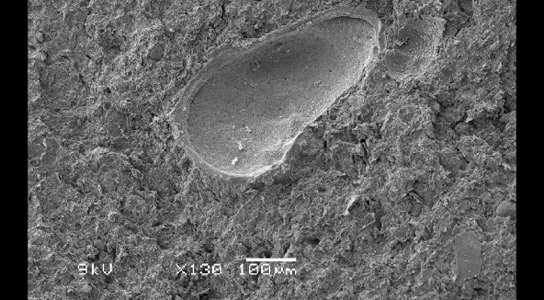
    esm-rock-surfaces
    Scanning electron microscope image of rock surfaces collected from the Bass River core in New Jersey.

    Paleontologists have discovered micrometer-scale fossils of plankton from the Palaeocene-Eocene Thermal Maximum, a period of rapid ocean warming and acidification that occurred 55 million years ago, during the Paleogene Period. The tiny plankton will allow researchers to study how the marine organisms coped with the rising acidity of the oceans.

    The discovery of intact specimens of coccolithophores, micrometer-sized marine plankton encased in discs of carbonate, is somewhat rare, since most that are found are just fossilized remains of partial skeletons. This has allowed scientists to image them, right to their intracellular vesicles, using an electron scanning microscope. The images were presented at the Third International Symposium on the Ocean in a High CO2 World in Monterey, California.
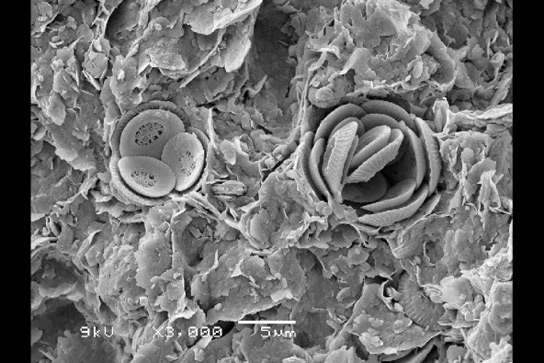
    coccolithophores
    Close-up of intact micron-sized calcite plates that surround coccolithophores embedded in clay.

    There is a growing concern that the current acidification of the oceans, which is driven by climate change, will reduce the abundance of calcium carbonate in the waters, making it difficult for algae to form microscopic plating, which is essential to their survival.

    Intact fossils allow researchers to compare the size, shape, thickness, and growth rates of ancient and modern coccolithophores. They are hoping to find clues about the past adaptations of the coccolithophores. Preliminary indications show that the growth rates of the ancient coccolithophores were sensitive to rapid changes in the chemistry of the oceans.
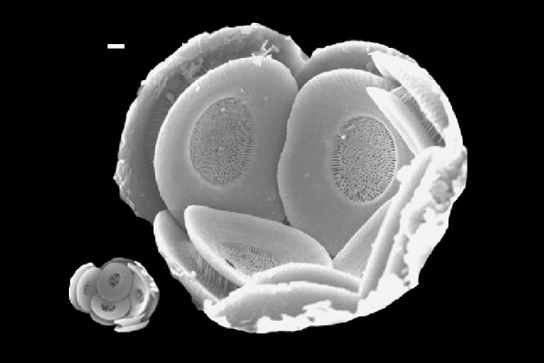
    reticulofenestra-umbilicus--minuta
    Reticulofenestra umbilicus and Reticulofenestra minuta demonstrate the range in size and calcification seen in coccolithophores found in the fossil record. Scale bar = 1 micron.

    The specimens were collected bay palaeocoeanograrpher Samantha Gibbs, from the University of Southampton, UK, in California, New Jersey, and Tanzania.

    Never miss a breakthrough: Join the SciTechDaily newsletter.
    Follow us on Google and Google News.

    Acidification Fossils Oceanography Paleontology
    Share. Facebook Twitter Pinterest LinkedIn Email Reddit

    Related Articles

    3-Million-Year-Old Fossils Expose Surprising Ocean Connections

    240-Million-Year-Old Ichthyosaur – Besanosaurus – Was an 26 Foot Long Marine Snapper

    Carbonemys Was a Giant Turtle From Late Paleocene

    Mysterious “Godzillus” Fossil Discovered by Amateur Paleontologist

    Cretaceous Period Sankofa Pyrenaica Fossilized Eggs Are Unusually Shaped

    Burtele Foot Points to Other Past Hominins

    Microraptor Feathers Were Black With Iridescent Sheen

    Jurassic Period Super-Sized Fleas Had Armored Mouthparts to Attack the Thick Hide of Dinosaurs

    Hundreds of Lost Fossils From the Darwin Collection Rediscovered by the British Geological Survey

    Leave A Reply Cancel Reply

    • Facebook
    • Twitter
    • Pinterest
    • YouTube

    Don't Miss a Discovery

    Subscribe for the Latest in Science & Tech!

    Trending News

    Scientists Find an Unexpected Way To Fight Knee Arthritis

    Look Up: Dragon Fireballs, Disappearing Planets, Hunter’s Moon Fill October’s Spooky Skies

    Hubble Spots a Bizarre Galaxy Whose Center Rotates Sideways

    Humpback Whale Mother Stays Beside Her Dead Calf in Heartbreaking Encounter

    A Giant Diplodocus Just Turned Up Where Scientists Never Expected

    Red Meat Contains a Sugar Humans Can’t Make – Scientists Think It May Trigger Inflammation

    This Strange New Magnetism Could Change How Computers Work

    Scientists Decode a 12,000-Year-Old Mystery Hidden in Ancient Spear Points

    Follow SciTechDaily
    • Facebook
    • Twitter
    • YouTube
    • Pinterest
    • Newsletter
    • RSS
    SciTech News
    • Biology News
    • Chemistry News
    • Earth News
    • Health News
    • Physics News
    • Science News
    • Space News
    • Technology News
    Recent Posts
    • Sleeping Less Than 5 Hours Was Linked to Higher Risk of 37 Diseases
    • Scientists Say the Secret to a Happier, Healthier Society May Begin in Childhood
    • This Crystal Uses Sunlight To Turn Water Into Clean Hydrogen
    • This 345-Million-Year-Old Fossil Fooled Scientists for Decades
    • Your Gut Bacteria May Reveal How Cancer Treatment Will Affect You
    Copyright © 1998 - 2026 SciTechDaily. All Rights Reserved.
    • Science News
    • About
    • Contact
    • Editorial Board
    • Privacy Policy
    • Terms of Use

    Type above and press Enter to search. Press Esc to cancel.