
Close Menu
    Facebook X (Twitter) Instagram
    SciTechDaily
    • Biology
    • Chemistry
    • Earth
    • Health
    • Physics
    • Science
    • Space
    • Technology
    Facebook X (Twitter) Pinterest YouTube RSS
    SciTechDaily
    Home»Science»French Bees Producing Blue and Green Honey Due to Unusual Taste Preference
    Science

    French Bees Producing Blue and Green Honey Due to Unusual Taste Preference

    By SciTechDailyOctober 11, 2012No Comments2 Mins Read
    Facebook Twitter Pinterest Telegram LinkedIn WhatsApp Email Reddit
    Share
    Facebook Twitter LinkedIn Pinterest Telegram Email Reddit
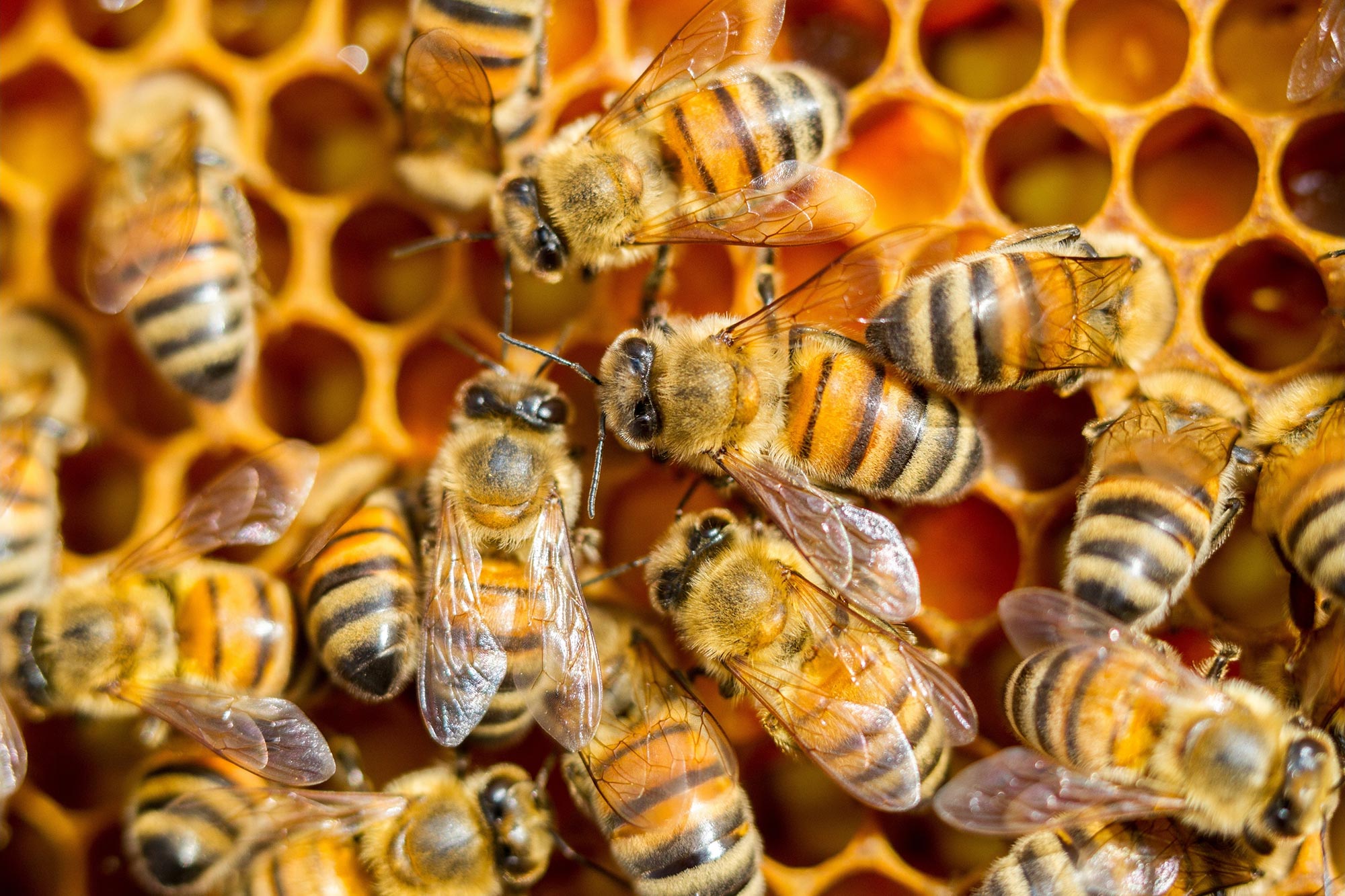
    Honeybee Colony
    Bees in France turned honey blue and green after feeding on M&M’s waste from a nearby factory. The unsellable honey has worsened beekeepers’ struggles, prompting cleanup efforts at the facility.

    Beekeepers in northeastern France were shocked to find their honey mysteriously turning shades of blue and green.

    Bees in a cluster of beehives in northeastern France have been making honey in shades of blue and green, alarming beekeepers and leaving scientists to discover the reason for the occurrence. It’s now been determined that the bees have developed a taste preference for the residue from containers of the candy M&M’s processed at a nearby plant.

    Since August, beekeepers around the town of Ribeauville have been discovering that their hives are carrying unidentified colorful substances, which turned their honey into unnatural shades of blue and green.

    The investigation led them to blame a biogas plant, situated 2.5 miles (4 kilometers) away, which has been processing waste from a Mars plant producing M&M’s. The resulting honey is unsellable and has affected dozens of beekeepers in the region, which are already dealing with high bee mortality rates and dwindling honey supplies following a harsh winter.

    The company operating the biogas plant, Agrivalor, has tried to address the problem after being notified by the beekeepers. The company now cleans its containers and incoming waste is now stored in a covered hall. Mars operates a chocolate factory near Strasbourg, 62 miles (100 kilometers) away.

    France is one of the largest honey producers within the European Union, and releases 18,330 tons annually. Ribeauville has been best known for its vineyards, but there are about 2,400 beekeepers in Alsace who tend to 35,000 bee colonies and produce about 1,000 tons of honey per year.

    Never miss a breakthrough: Join the SciTechDaily newsletter.
    Follow us on Google and Google News.

    Bees Chocolate France
    Share. Facebook Twitter Pinterest LinkedIn Email Reddit

    Related Articles

    Bumblebees on the Brink: Overheating Nests Threaten Pollinator Populations

    Less Sugar, More Flavor – Scientists Discover Simple Way To Improve Chocolate’s Taste

    “Mummified” Bees From the Time of the Pharaohs Discovered in Portugal

    Beekeeping Theories Debunked: The Real Buzz on Honeybee Insulation

    Global Bee Data Gets a Boost: BeeBCD Launches to Fill Scientific Gaps

    Scientists “Stunned” by Bumblebees’ Ability To Fight Off Invasive Asian Hornets

    3,000 Years Old – Scientists Discover Hundreds of Mummified Bees From the Time of Pharaohs

    The Great Chocolate Crisis: How Swift Action Halted a Salmonella Epidemic

    Bees Learn by Watching Others: Puzzle Solving Behavior Spreads Through Bumblebee Colonies

    Leave A Reply Cancel Reply

    • Facebook
    • Twitter
    • Pinterest
    • YouTube

    Don't Miss a Discovery

    Subscribe for the Latest in Science & Tech!

    Trending News

    Fossilized Vomit Reveals a Surprising Secret About Plesiosaur Behavior

    Scientists Put Anti-Aging Treatments to the Test – These Ones Actually Changed Biological Age

    Vitamin C Supplements Tied to Fewer Deaths in Blood Disorder Trial

    Scientists Hunt for Tiny Black Holes Hidden in LHC Collisions

    More Men Are Getting MRI Before Prostate Biopsy, but a Major Gap Remains

    Where Does Fat Go When You Lose Weight? The Answer May Surprise You

    Stanford Researchers Discover That the Human Brain May Be Two Separate Organs Fused Together

    Scientists Say This Simple Habit Could Help Protect Your Brain for Life

    Follow SciTechDaily
    • Facebook
    • Twitter
    • YouTube
    • Pinterest
    • Newsletter
    • RSS
    SciTech News
    • Biology News
    • Chemistry News
    • Earth News
    • Health News
    • Physics News
    • Science News
    • Space News
    • Technology News
    Recent Posts
    • This 4,000-Year-Old Wall in Morocco Is Rewriting the History of North Africa
    • Scientists Pinpoint a Possible “Sweet Spot” for Life’s Origins 4.33 Billion Years Ago
    • Scientists Reveal What Could Happen if Yellowstone Erupted Now
    • Brain Differences May Explain Why Some Children Struggle at Math
    • Scientists Test an Unexpected Sleep Aid Made From Tree Roots
    Copyright © 1998 - 2026 SciTechDaily. All Rights Reserved.
    • Science News
    • About
    • Contact
    • Editorial Board
    • Privacy Policy
    • Terms of Use

    Type above and press Enter to search. Press Esc to cancel.