
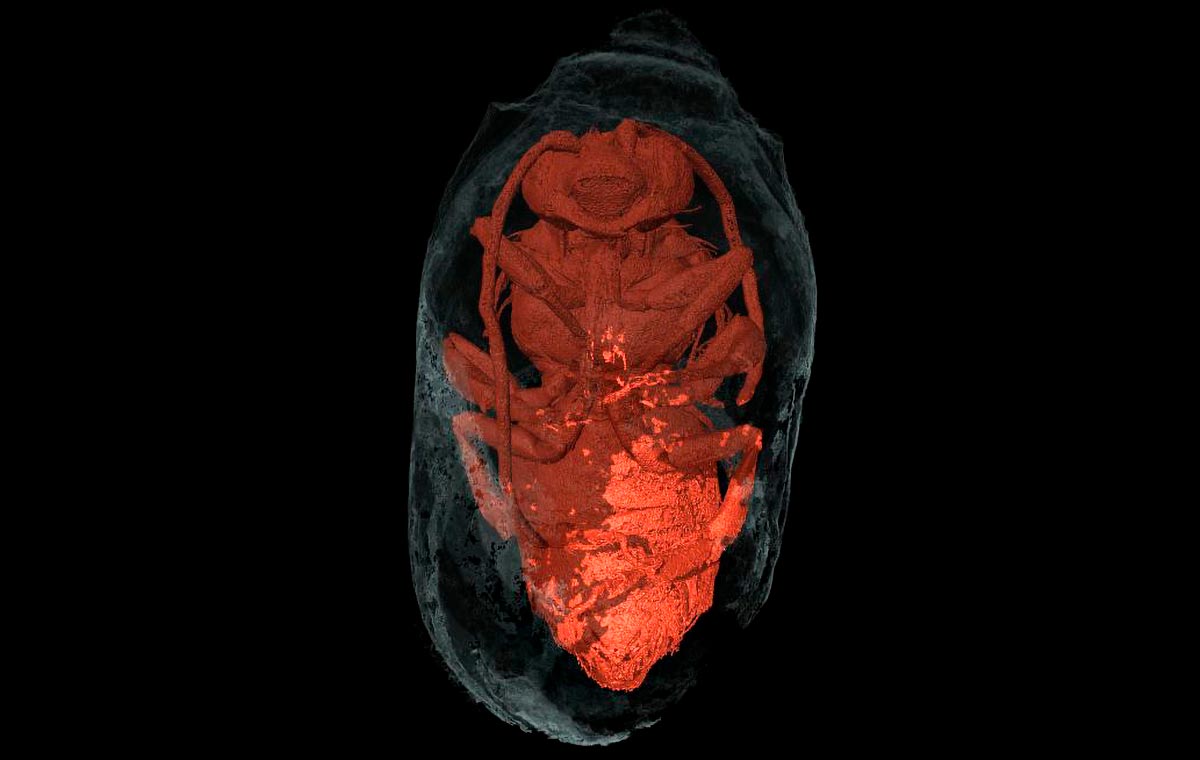
Fernando Muñiz, a research academic from the University of Seville, participates in a discovery that represents a unique opportunity in the fight against climate change.
The discovery, with the active participation of Fernando Muñiz, professor of the Department of Crystallography, Mineralogy and Agricultural Chemistry at the University of Seville, was recently published in the international journal Papers in Palaeontology, under the title “Eucera bees (Hymenoptera, Apidae, Eucerini) preserved in their brood cells from late Holocene (middle Neoglacials) palaeosols of southwest Portugal.”
Exceptional Preservation of Bees
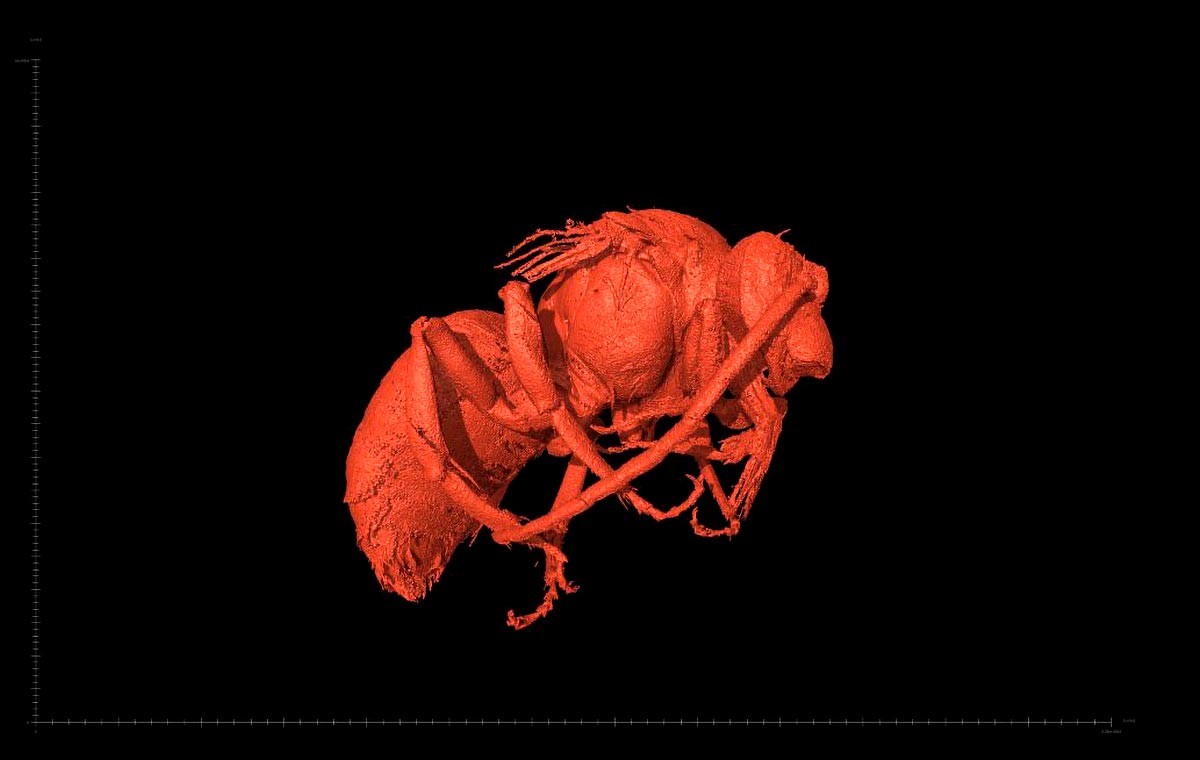
The study describes bees “ready to leave their nests or cells in an exceptional state of conservation,” discovered inside their cocoons. Food was also found inside the cocoons that appeared to be Brassicaceae pollen, or rather, taken from common herbaceous species that also show the bees’ preference for one particular monofloral variety.
According to the authors of the study, the good state of fossilization in which the bees were found is ‘extremely rare’, since the skeleton of this type of insect quickly decomposes. The magnificent level of conservation has enabled the team of investigators to establish the type of bee, their sex, and even the pollen left by the mother when creating the cocoon.
Possible Causes of Bee Death
Bees are one of the most important groups of pollinating insects and include over 20,000 species. Approximately three-quarters of all wild bee species nest in the soil and spend most of their life cycle underground, which facilitates the preservation of their nesting structures.
In the article, the investigators describe dense aggregations of thousands of fossil nests per square meter in southwest Portugal. Most of the nests or cells have been assigned to the ichnogenera Palmiraichnus.
The discovery of this ichnogenera represents a unique opportunity to study the well-conserved architecture of the nesting sites in greater detail and to establish the potential environmental causes that led to the bees’ death and the burial that kept the specimens in such a good state of preservation for 3,000 years.
According to the study, the bees’ cause of death continues to be a mystery, but a shortage of oxygen caused by sudden flooding and a consequent drop in nocturnal temperature may well be the reasons. The southwest coast of Portugal experienced slightly colder periods with greater rainfall during winter in the Neoglacial interval, which are favorable climatic conditions for the study of these fossils.
Importance of Bees and Implications for Modern Ecology
“Bees are pollinating insects and as such are essential for ecosystems, to the extent that any reduction in their numbers would directly affect biodiversity, or rather, the many species of plants and animals that directly or indirectly depend on them, including human beings. For example, we know that bees pollinate 70% of the crops that people eat and 30% of food for livestock. Human activity, such as intensive farming, the use of pesticides and insecticides, and climate change are creating a situation where one in every ten species of bees is in danger of extinction in Europe,” commented Professor Muñiz.
“Discovering and interpreting the ecological reasons for the presence of this population of bees and why they died and were mummified 3,000 years ago, may help us to understand and establish strategies for resilience in the face of climate change, such as comparing the ecological imbalances caused by natural parameters and the current ones and the way in which they are affecting the bee species of today,” said the principal investigator, Carlos Neto de Carvalho.
Reference: “Eucera bees (Hymenoptera, Apidae, Eucerini) preserved in their brood cells from late Holocene (middle Neoglacial) palaeosols of southwest Portugal” by Carlos Neto de Carvalho, Andrea Baucon, Davide Badano, Pedro Proença Cunha, Cristiana Ferreira, Silvério Figueiredo, Fernando Muñiz, João Belo, Federico Bernardini and Mário Cachão, 27 July 2023, Papers in Palaeontology.
DOI: 10.1002/spp2.1518
Never miss a breakthrough: Join the SciTechDaily newsletter.
Follow us on Google and Google News.