
Close Menu
    Facebook X (Twitter) Instagram
    SciTechDaily
    • Biology
    • Chemistry
    • Earth
    • Health
    • Physics
    • Science
    • Space
    • Technology
    Facebook X (Twitter) Pinterest YouTube RSS
    SciTechDaily
    Home»Space»NASA’s CAPSTONE Launch to Moon Delayed – Spacecraft Will Be First To Fly Unique Lunar Orbit
    Space

    NASA’s CAPSTONE Launch to Moon Delayed – Spacecraft Will Be First To Fly Unique Lunar Orbit

    By NASAJune 27, 2022No Comments3 Mins Read
    Facebook Twitter Pinterest Telegram LinkedIn WhatsApp Email Reddit
    Share
    Facebook Twitter LinkedIn Pinterest Telegram Email Reddit
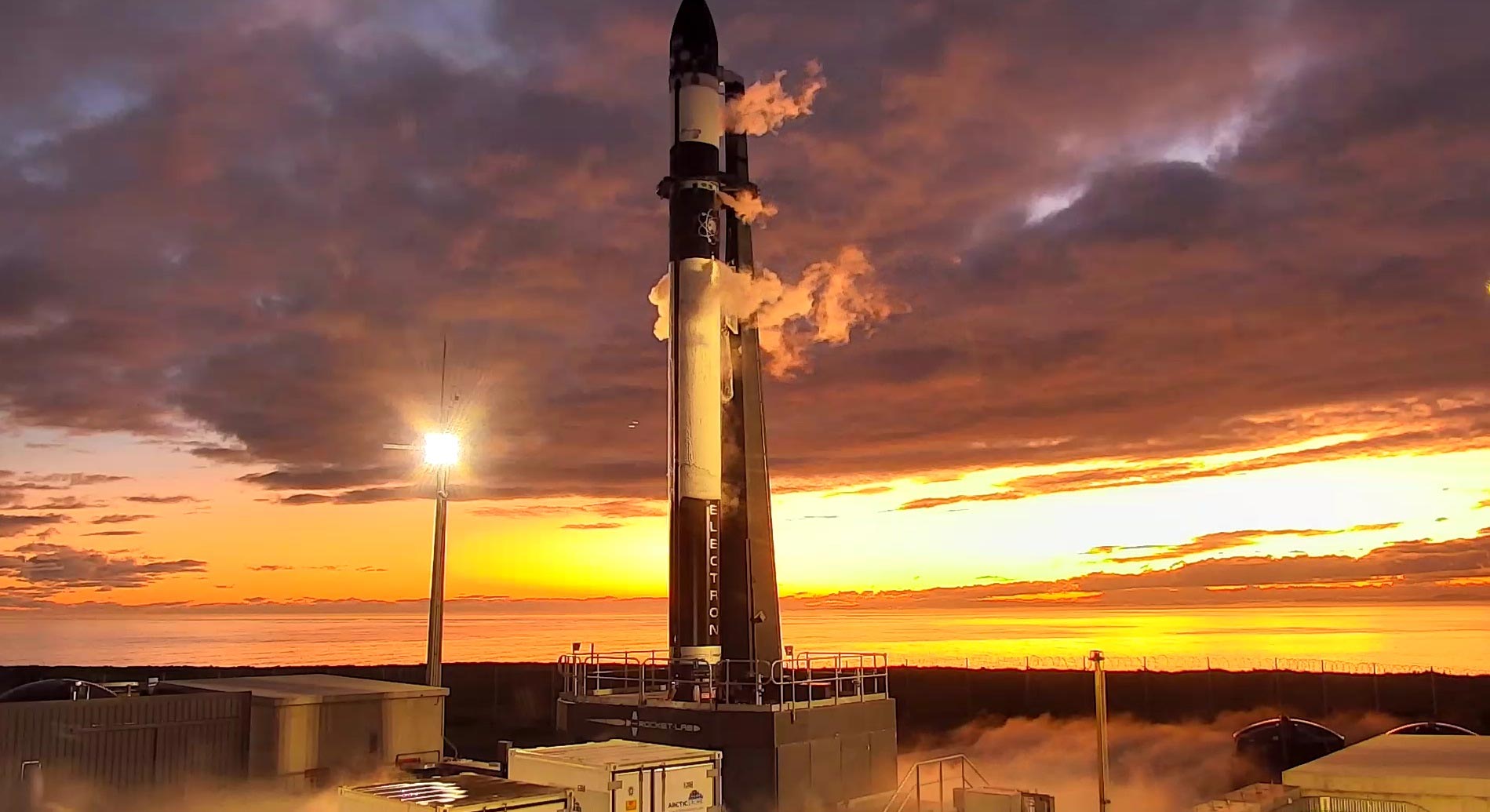
    Rocket Lab’s Electron Rocket
    Rocket Lab’s Electron rocket sits on the pad at the company’s Launch Complex 1 in New Zealand for wet dress rehearsal ahead of the CAPSTONE launch. Credit: Rocket Lab

    NASA, Rocket Lab, and Advanced Space are standing down from the June 27 launch attempt for the CAPSTONE mission to the Moon to allow Rocket Lab to perform final systems checks. The mission was slated to launch on Monday, June 27, aboard a Rocket Lab Electron rocket from the company’s Launch Complex 1 in Mahia, New Zealand.

    Teams are evaluating weather and other factors to determine the date of the next launch attempt. The next launch opportunity within the current period is on June 28. CAPSTONE’s trajectory design means that the spacecraft will arrive at its lunar orbit on November 13 regardless of launch date within the current period, which offers launch opportunities every day through July 27.
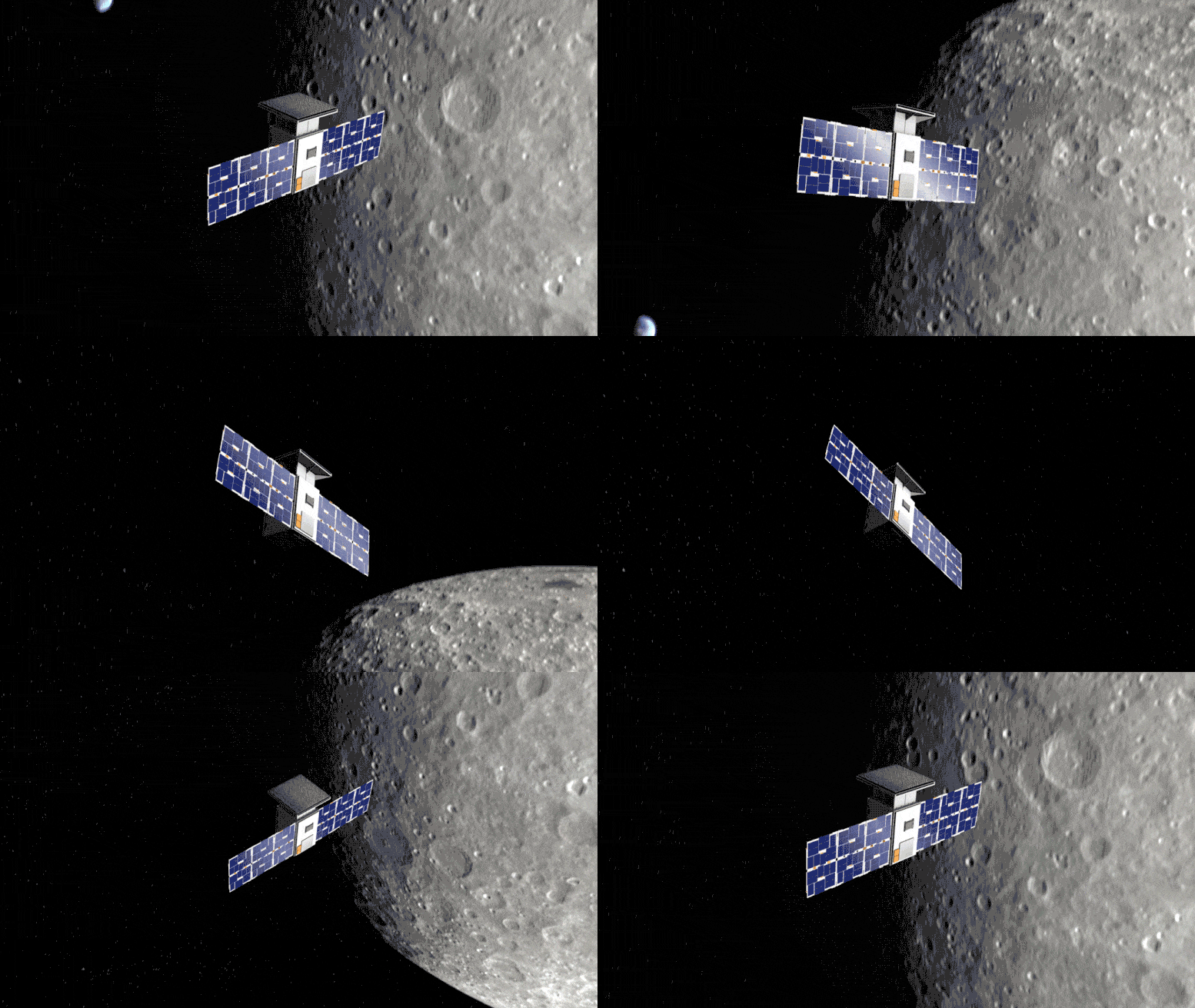
    NASA C.APSTONE Mission
    Rocket Lab’s Photon satellite bus will deliver CAPSTONE into a trajectory toward the Moon. Credit: Illustration by NASA/Daniel Rutter

    CAPSTONE, which stands for Cislunar Autonomous Positioning System Technology Operations and Navigation Experiment, will be the first spacecraft to fly a specific unique lunar orbit ahead of future missions with crew.

    The destination for this microwave oven-size CubeSat is a near rectilinear halo orbit (NRHO). That same orbit is planned for Gateway, a multipurpose outpost for long-term lunar missions as part of the agency’s Artemis program.
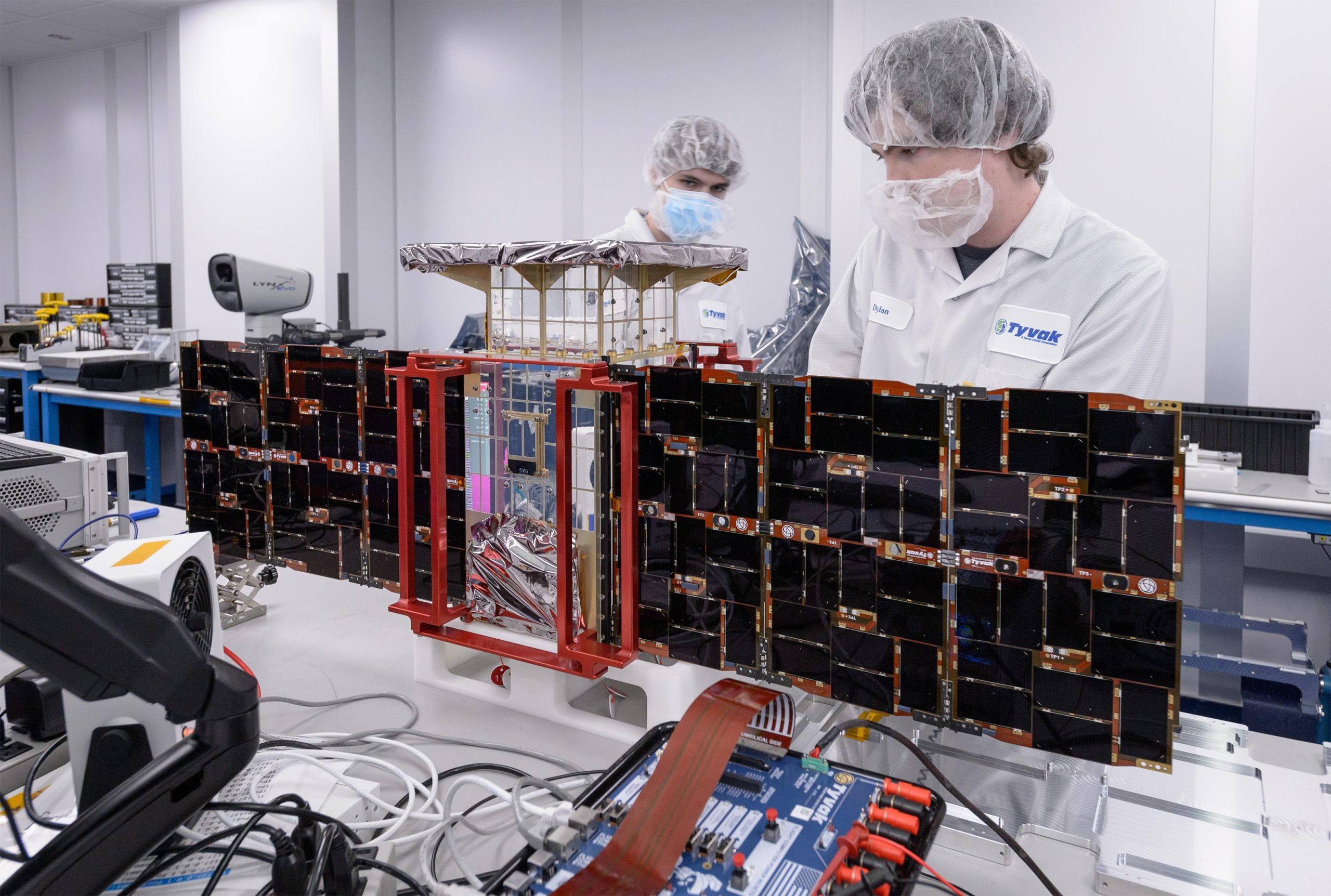
    Installing Solar Panels Onto CAPSTONE Spacecraft
    Team members install solar panels onto the CAPSTONE spacecraft – short for Cislunar Autonomous Positioning System Technology Operations and Navigation Experiment – at Tyvak Nano-Satellite Systems Inc., in Irvine, California. Credit: NASA/Dominic Hart

    Six days after launch, the Photon upper stage will release CAPSTONE into space for the first portion of the spacecraft’s solo flight. After a four-month journey to the Moon, CAPSTONE will test the dynamics of the NRHO for at least six months, helping reduce risk for future spacecraft. CAPSTONE will also demonstrate innovative spacecraft-to-spacecraft navigation technology and one-way ranging capabilities that could help future spacecraft fly near the Moon with reduced need for communication with Earth.

    CAPSTONE is commercially owned and operated by Advanced Space in Westminster, Colorado, on behalf of NASA. It represents an innovative collaboration between NASA and industry to provide rapid results and feedback to inform future exploration and science missions. Tyvak Nano-Satellite Systems, a Terran Orbital Corporation, of Irvine, California, built the spacecraft. The mission also includes contributions from Stellar Exploration Inc., Space Dynamics Lab, Tethers Unlimited Inc., and Orion Space Systems.

    Never miss a breakthrough: Join the SciTechDaily newsletter.
    Follow us on Google and Google News.

    Moon NASA NASA CAPSTONE Rocket Lab
    Share. Facebook Twitter Pinterest LinkedIn Email Reddit

    Related Articles

    NASA’s CAPSTONE Spacecraft Arrives to Orbit at the Moon

    Contact Lost With NASA’s CAPSTONE Spacecraft Flying a New Path to the Moon

    CAPSTONE Leaves Earth Orbit, Headed to the Moon

    Rocket Lab Launches NASA’s CAPSTONE Mission to the Moon

    NASA CAPSTONE Launches Successfully – Will Test New Lunar Orbit for Artemis Moon Missions

    NASA’s CAPSTONE Spacecraft Ships to Launch Site

    What is NASA’s CAPSTONE Mission?

    Exploring the Moon: CAPSTONE’s CubeSat Prepares for Lunar Flight

    Innovative Propulsion System Gets Ready to Study Moon Orbit for NASA’s Artemis Program

    Leave A Reply Cancel Reply

    • Facebook
    • Twitter
    • Pinterest
    • YouTube

    Don't Miss a Discovery

    Subscribe for the Latest in Science & Tech!

    Trending News

    Scientists May Have Discovered How To Heal Damaged Kidneys

    Interstellar Visitor 3I/ATLAS Is Bursting With an Unexpected Chemical

    Scientists Just Found All 5 Genetic “Letters” of DNA and RNA on an Asteroid

    The 4,000-Year-Old City That Defied History’s Rules on Wealth and Power

    The World’s Biggest Population Fear Has Flipped – and It Could Change Everything

    This “Fake” Pill Improved Memory and Physical Performance in Just 3 Weeks

    Scientists Say Frequent Ejaculation May Improve Sperm Quality and Fertility

    Scientists Have Found “The Heaven Sword” After Years of Looking

    Follow SciTechDaily
    • Facebook
    • Twitter
    • YouTube
    • Pinterest
    • Newsletter
    • RSS
    SciTech News
    • Biology News
    • Chemistry News
    • Earth News
    • Health News
    • Physics News
    • Science News
    • Space News
    • Technology News
    Recent Posts
    • Watch What Happened When a Lost Elephant Calf Returned to Her Family
    • 17,000 Brain Scans Reveal Surprising Ethnic Differences in Alzheimer’s Biology
    • New Autism Treatment Strategy Restores Key Brain Receptor Function
    • Younger Generations Are Aging Faster – and It May Be Fueling a Surge in Cancer
    • Scientists Turn Ordinary Sunlight Into UV Light in Major Energy Breakthrough
    Copyright © 1998 - 2026 SciTechDaily. All Rights Reserved.
    • Science News
    • About
    • Contact
    • Editorial Board
    • Privacy Policy
    • Terms of Use

    Type above and press Enter to search. Press Esc to cancel.