
Phase-change material research is behind the design of a temperature-regulating mug.
When Johnson Space Center wanted to upgrade the cooling system in astronaut space suits, it funded research into the best approach. A non-toxic material proposed as an alternative for balancing temperature extremes ultimately led Columbia, Missouri-based ThermAvant International LLC to develop a thermal mug to transform scalding-hot coffee into a drinkable beverage in seconds and keep it warm for hours.
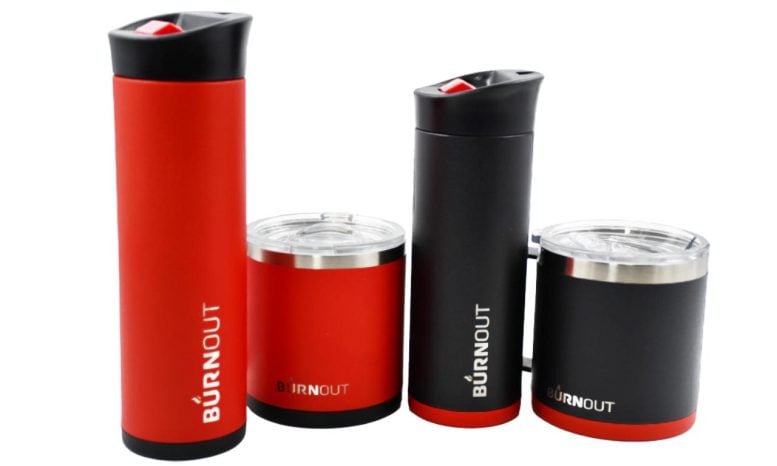
What does the blue freezer pack you throw into your cooler have in common with an astronaut spacesuit? Thermodynamics and phase-change materials (PCM). Just as astronauts need to stay cool when exposed to intense sunlight on a spacewalk, hot drinks need some help staying hot. One of the scientists crunching the PCM data for a NASA-funded research study at the University of Missouri, Dr. Hongbin Ma, kept forgetting about his coffee and was tired of drinking it cold. So his team used the same PCM research to build a mug with better thermal properties – the Burnout Mug – said Ma, CEO of ThermaVant Technologies LLC.
NASA’s Use of Phase-Change Materials in Space
When space shuttle astronauts worked in space for long hours, their suits weren’t able to maintain a consistent, comfortable temperature. The physics of thermodynamics – energy transfer and the effect it has on the physical properties of substances – gets tricky in the extreme temperatures of space. Because of that, a special heating and cooling system is required.
To test designs before fabricating a new suit, technologists use computer simulation. Choosing the right temperature formulas for that virtual test environment was one part of the research. Ma also tested and recommended a PCM that could be used in the suit-cooling system, a modified version of those used in spacecraft.
Thermal Control Systems and PCM in Spacecraft
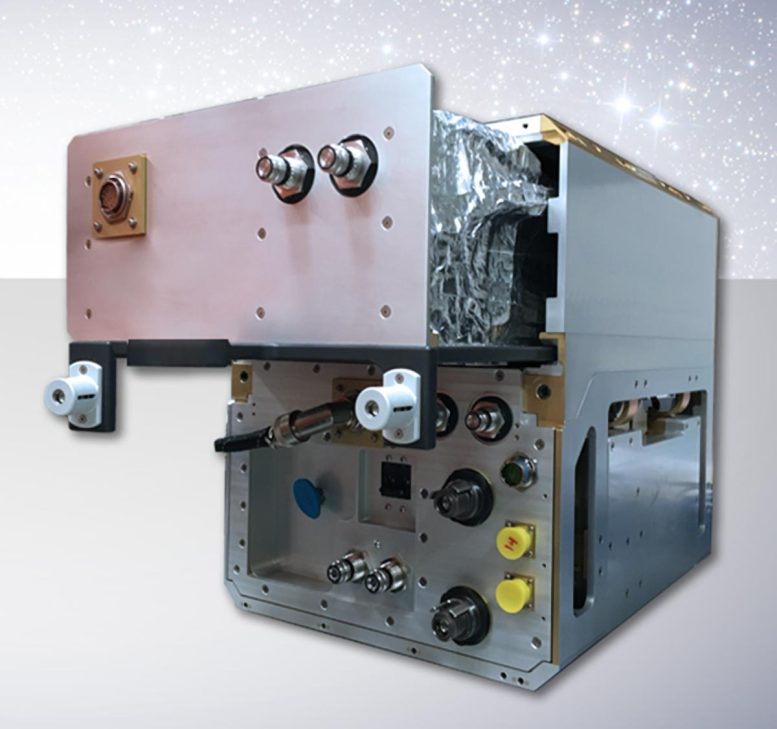
A thermal control system of a spacecraft maintains the vehicle at the right temperatures. It ensures the cabin environment and machinery are maintained at the best temperatures, according to Scott Hansen, thermal engineer at NASA’s Johnson Space Center in Houston. By including a PCM in that system, it’s possible to store excess heat and release it later when extreme cold temperatures can freeze the same technology.
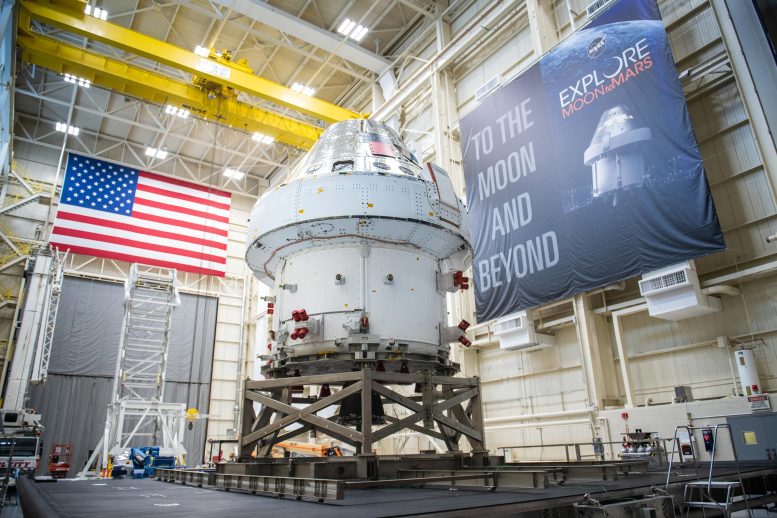
The Apollo lunar rover, space station, Orion capsule, and headlights on the newest spacesuit design all included a PCM.
“Phase change material heat exchangers are perfectly suited for maintaining a habitable environment and component temperatures in low lunar orbit. If we didn’t include this kind of system in Orion, the crew would get too hot and then too cold,” said Hansen.
Lots of materials can change from liquid to solid and back again, but they need to be safe while maintaining a designated temperature range. Water expands when it freezes and could cause a life-threatening rupture in space. Paraffin wax and refrigerants are effective but are toxic to humans, making a leak hazardous. The researchers ultimately recommended a bio-based option for spacesuits.
From Space to Coffee: The Burnout Mug
Michael Merwin, operations director for Columbia, Missouri-based ThermAvant said bio-based waxes proved to be the perfect solution for maintaining optimal temperature for coffee as well as astronauts. In this case, it was a beeswax-like soy substance.
Released in 2018, the Burnout Mug uses a vacuum seal for insulation with the wax called HeatZorb sealed between the inner and outer shells. The wax is formulated to maintain the ideal temperature for a hot drink (coffee or tea) over time. As soon as hot liquid goes in, the wax quickly absorbs excess heat and melts, resulting in a drinkable temperature in just a few moments. As the coffee starts to cool, that stored heat is released back into it.
The company is developing other products that can use the same technology to meet unique needs in the medical field. Two in development are a small insulin container and a donor organ transportation box – both of which require a perfect temperature.
Never miss a breakthrough: Join the SciTechDaily newsletter.
Follow us on Google and Google News.
1 Comment
My son gave me “Joulies” which are coffee bean shaped stainless steel filled with a phase change material. I’ve used these for a number of years to cool my hot drink to a drinkable temperature and keeping my drink warm longer.