
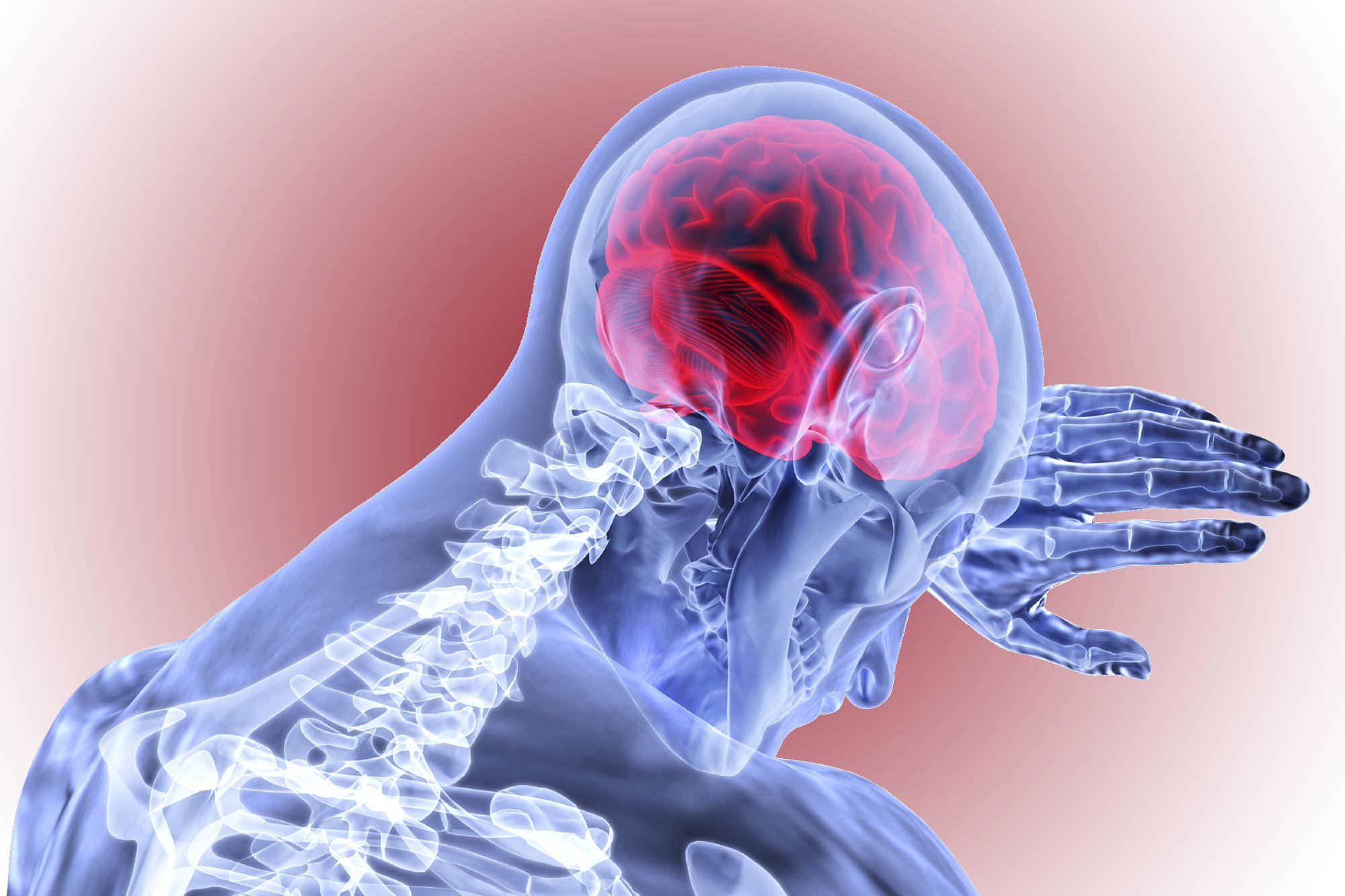
The discovery improves our understanding of cerebral microbleeds and may offer new therapeutic targets.
A groundbreaking study conducted by the University of California, Irvine has uncovered a novel factor contributing to the development of brain hemorrhages. Contrary to previous assumptions that linked hemorrhages solely to blood vessel injury, this research found that the interplay between older red blood cells and brain capillaries can cause cerebral microbleeds.
This discovery provides a deeper understanding of the mechanisms behind these bleeds and opens up new avenues for therapeutic interventions aimed at treating and preventing them.
Study Methodology and Observations
The findings, recently published in the Journal of Neuroinflammation, describe how the team was able to watch the process by which red blood cells stall in the brain capillaries and then observe how the hemorrhage happens. Cerebral microbleeds are associated with a variety of conditions that occur at higher rates in older adults, including hypertension, Alzheimer’s disease, and ischemic stroke.
“We have previously explored this issue in cell culture systems, but our current study is significant in expanding our understanding of the mechanism by which cerebral microbleeds develop,” said co-corresponding author Dr. Mark Fisher, professor of neurology in UCI’s School of Medicine. “Our findings may have profound clinical implications, as we identified a link between red blood cell damage and cerebral hemorrhages that occurs at the capillary level.”
Mechanism Behind Brain Hemorrhages
The team exposed red blood cells to a chemical called tert-butyl hydroperoxide that caused oxidative stress; the cells were then marked with a fluorescent label and injected into mice. Using two different methods, the researchers observed the red blood cells getting stuck in the brain capillaries and then being cleared out in a process called endothelial erythrophagocytosis. As they moved out of the capillaries, microglia inflammatory cells engulfed the red blood cells, which led to the formation of a brain hemorrhage.
Implications and Future Research Directions
“It has always been assumed that in order for cerebral hemorrhage to occur, blood vessels need to be injured or disrupted. We found that increased red blood cell interactions with the brain capillaries represent an alternative source of development,” said co-corresponding author Xiangmin Xu, UCI professor of anatomy & neurobiology and director of the campus’s Center for Neural Circuit Mapping. “We need to examine in detail the regulation of brain capillary clearance and also analyze how that process may be related to insufficient blood supply and ischemic stroke, which is the most common form of stroke, to help advance the development of targeted treatments.”
Reference: “Erythrocyte–brain endothelial interactions induce microglial responses and cerebral microhemorrhages in vivo” by Hai Zhang, Rachita K. Sumbria, Rudy Chang, Jiahong Sun, David H. Cribbs, Todd C. Holmes, Mark J. Fisher and Xiangmin Xu, 15 November 2023, Journal of Neuroinflammation.
DOI: 10.1186/s12974-023-02932-5
Leveraging the broad, collaborative infrastructure and robust resources of the Center for Neural Circuit Mapping, other team members were Rachita Sumbria, co-first author/co-corresponding author and associate professor in the Chapman University School of Pharmacy; Hai Zhang, co-first author and postdoctoral researcher in UCI’s Department of Anatomy & Neurobiology; Rudy Chang, co-first author and Chapman University School of Pharmacy graduate student; Jiahong Sun, postdoctoral researcher at Chapman University; David Cribbs, professor-in-residence at UCI’s Institute for Memory Impairments and Neurological Disorders; and Todd Holmes, UCI professor of physiology & biophysics.
This work was supported by the National Institute on Aging and by the National Institute of Neurological Disorders and Stroke.
Never miss a breakthrough: Join the SciTechDaily newsletter.
Follow us on Google and Google News.