
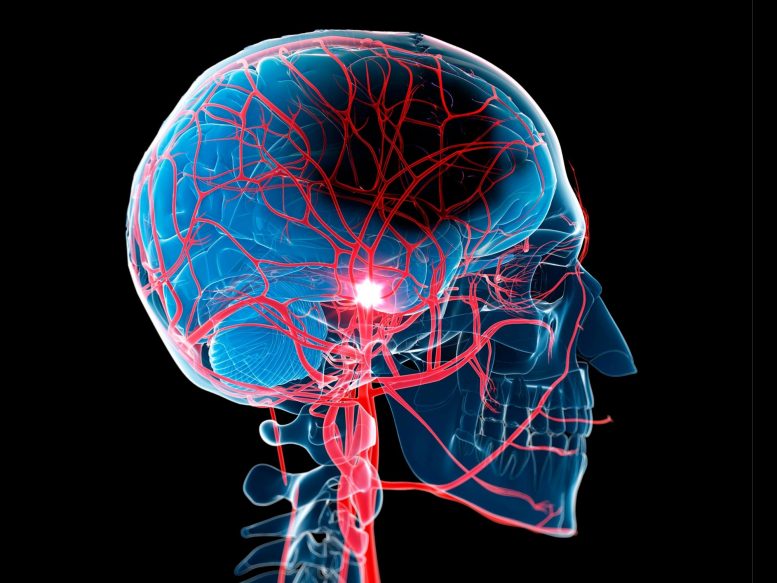
A study on Mexican American stroke survivors found that Spanish-only speakers had worse neurological outcomes than bilingual or English-speaking individuals, despite similar emergency care access. The results suggest potential healthcare barriers and the need for further investigation into language-related disparities in stroke rehabilitation.
Research indicates that Mexican Americans experience less favorable outcomes post-stroke compared to their non-Hispanic white American counterparts. A recent study delves into the potential correlation between the language spoken by Mexican Americans and their recovery trajectory following a stroke. The findings were recently published in Neurology, the medical journal of the American Academy of Neurology.
“Our study found that Mexican American people who spoke only Spanish had worse neurologic outcomes three months after having a stroke than Mexican American people who spoke only English or were bilingual,” said study author Lewis B. Morgenstern, MD, of the University of Michigan in Ann Arbor and a Fellow of the American Academy of Neurology. “More research is needed into what factors and barriers may influence these worse outcomes.”
The study involved 1,096 Mexican American people in Corpus Christi, Texas, who had a stroke over a 10-year period. Researchers looked at results three months after the stroke in three areas: neurologic, functional, and thinking and memory skills. Neurologic results cover areas such as muscle strength and coordination and problems with speech or vision. Functional results look at how well people can complete their daily activities such as showering and preparing meals.
The 170 people who spoke Spanish only were compared to the 926 people who spoke English only or were bilingual. Those who spoke Spanish only were older, had received less education, and had worse neurologic scores at the time of the stroke than those in the other group.
Worse Neurologic Outcomes for Spanish Speakers
Three months after the stroke, the Spanish-only speakers had average neurologic scores of seven, where scores of five to 14 indicate moderate effects from a stroke. The English-only and bilingual speakers had average scores of four, where scores of one to four indicate mild effects. The results remained after researchers adjusted for the differences between the two groups and other factors that could affect stroke risk, such as high blood pressure and diabetes.
The study found no difference between the two groups in how well they recovered their ability to complete their daily activities or in their thinking and memory skills.
“We conducted an earlier study in this same community finding that the language people spoke was not associated with any delay in their getting to the hospital or using emergency medical services after an ischemic stroke, so we definitely need more information to determine what is driving the differences in outcomes between these two groups,” Morgenstern said.
A limitation of the study was that there was a low number of Spanish-only speakers. Also, the majority of Mexican Americans in Corpus Christi are born in the United States, so these results may not be applicable to areas with a larger population of people born outside the United States.
Reference: “Stroke Outcomes Among English- and Spanish-Speaking Mexican Americans” by Alejandro Vargas, Guanghao Zhang, Xu Shi, Lynda D. Lisabeth and Lewis B. Morgenstern, 12 April 2023, Neurology.
DOI: 10.1212/WNL.0000000000207275
The study was supported by the National Institutes of Health and the TRANSCENDS (Training in Research for Academic Neurologists to Sustain Careers and Enhance the Numbers of Diverse Scholars) program funded by the National Institutes of Health.
Never miss a breakthrough: Join the SciTechDaily newsletter.
Follow us on Google and Google News.