
Close Menu
    Facebook X (Twitter) Instagram
    SciTechDaily
    • Biology
    • Chemistry
    • Earth
    • Health
    • Physics
    • Science
    • Space
    • Technology
    Facebook X (Twitter) Pinterest YouTube RSS
    SciTechDaily
    Home»Science»Unlocking Brain Secrets: Scientists Discover Link Between Pupil Size and Working Memory
    Science

    Unlocking Brain Secrets: Scientists Discover Link Between Pupil Size and Working Memory

    By University of Texas at ArlingtonApril 27, 2024No Comments3 Mins Read
    Facebook Twitter Pinterest Telegram LinkedIn WhatsApp Email Reddit
    Share
    Facebook Twitter LinkedIn Pinterest Telegram Email Reddit
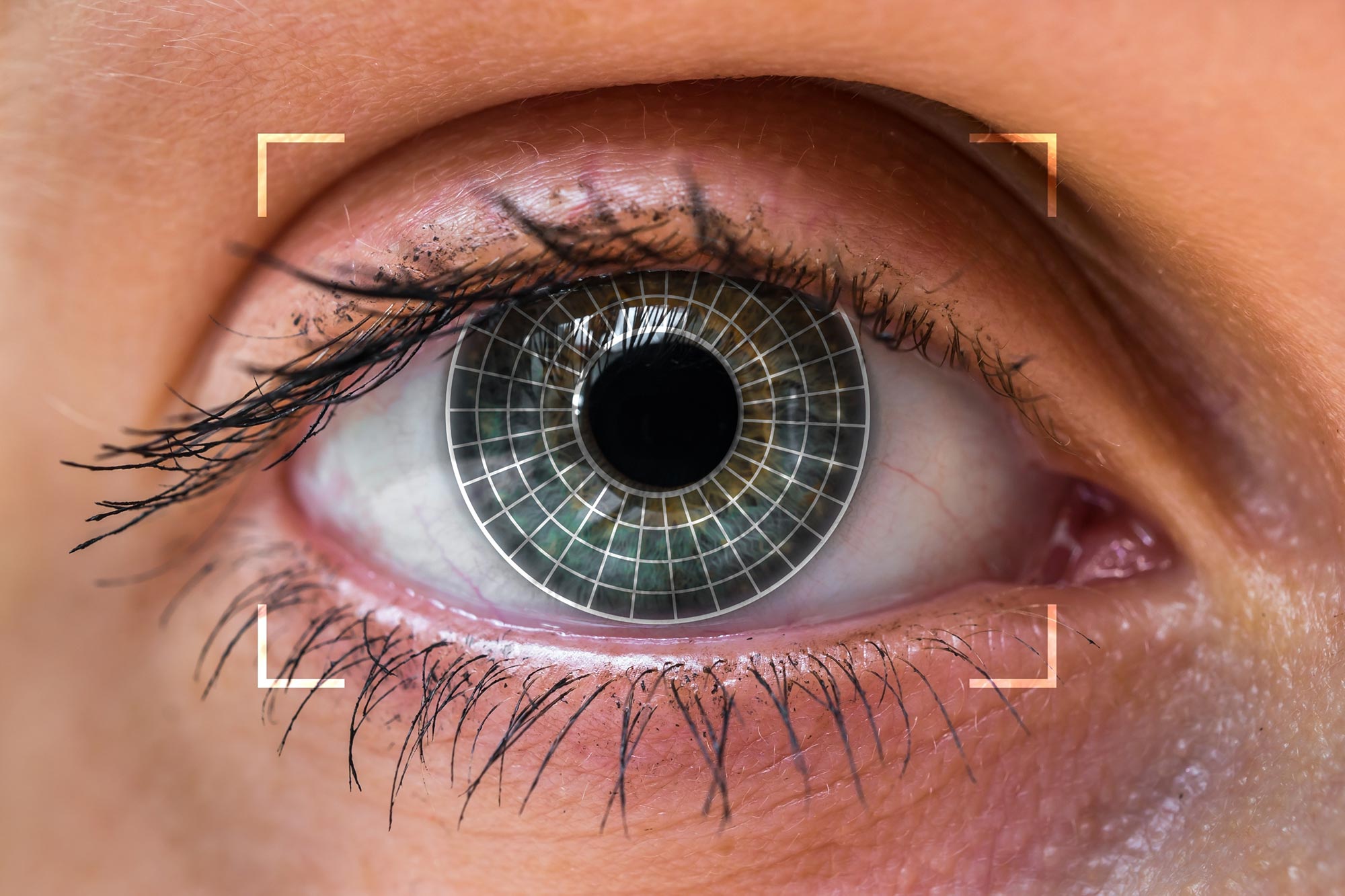
    Biometrics Eye Scan
    University of Texas at Arlington researchers have linked pupil dilation during concentration to improved working memory performance, providing new insights into cognitive function variations.

    Research from UT Arlington indicates a link between eye sensitivity and enhanced working memory.

    Working memory is a cognitive skill that functions as part of the brain’s executive capabilities, enabling people to manage and manipulate information while staying focused on their tasks.

    In the short term, working memory allows the brain to complete an immediate task, like loading the dishwasher. Long term, it helps the brain decide what to store for future use, such as whether more dishwasher soap will be needed.

    University of Texas at Arlington researchers know that working memory varies greatly among individuals, but they aren’t sure exactly why. To better understand, Matthew Robison, assistant professor of psychology, and doctoral student Lauren D. Garner conducted an experiment to see if studying a person’s pupils (the centers of their eyes) was a good indicator of working memory.
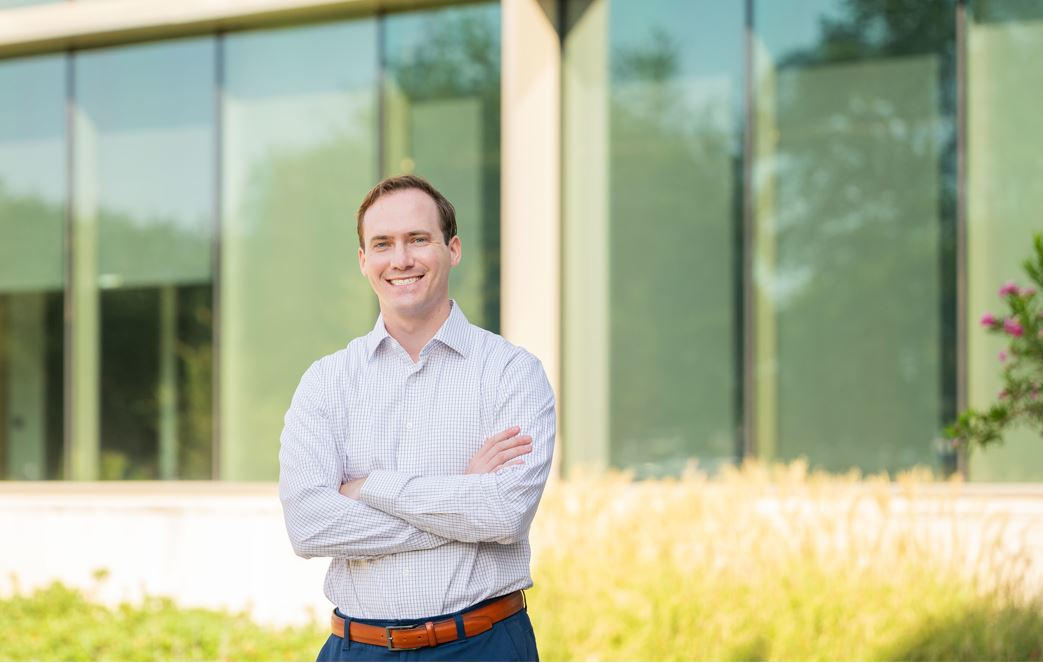
    Matthew Robison
    Matthew Robison. Credit: Photo courtesy UT Arlington

    Study Methodology and Findings

    Normally, a person’s pupils naturally widen (or dilate) in low-light environments to allow more light into the eye. However, in their new study published in the peer-reviewed journal Attention, Perception & Psychophysics, the researchers reported that a person’s pupils also dilate when they are concentrating on tasks. In particular, they found that the more a person’s eyes dilated during the task, the better they did on tests measuring their working memory.
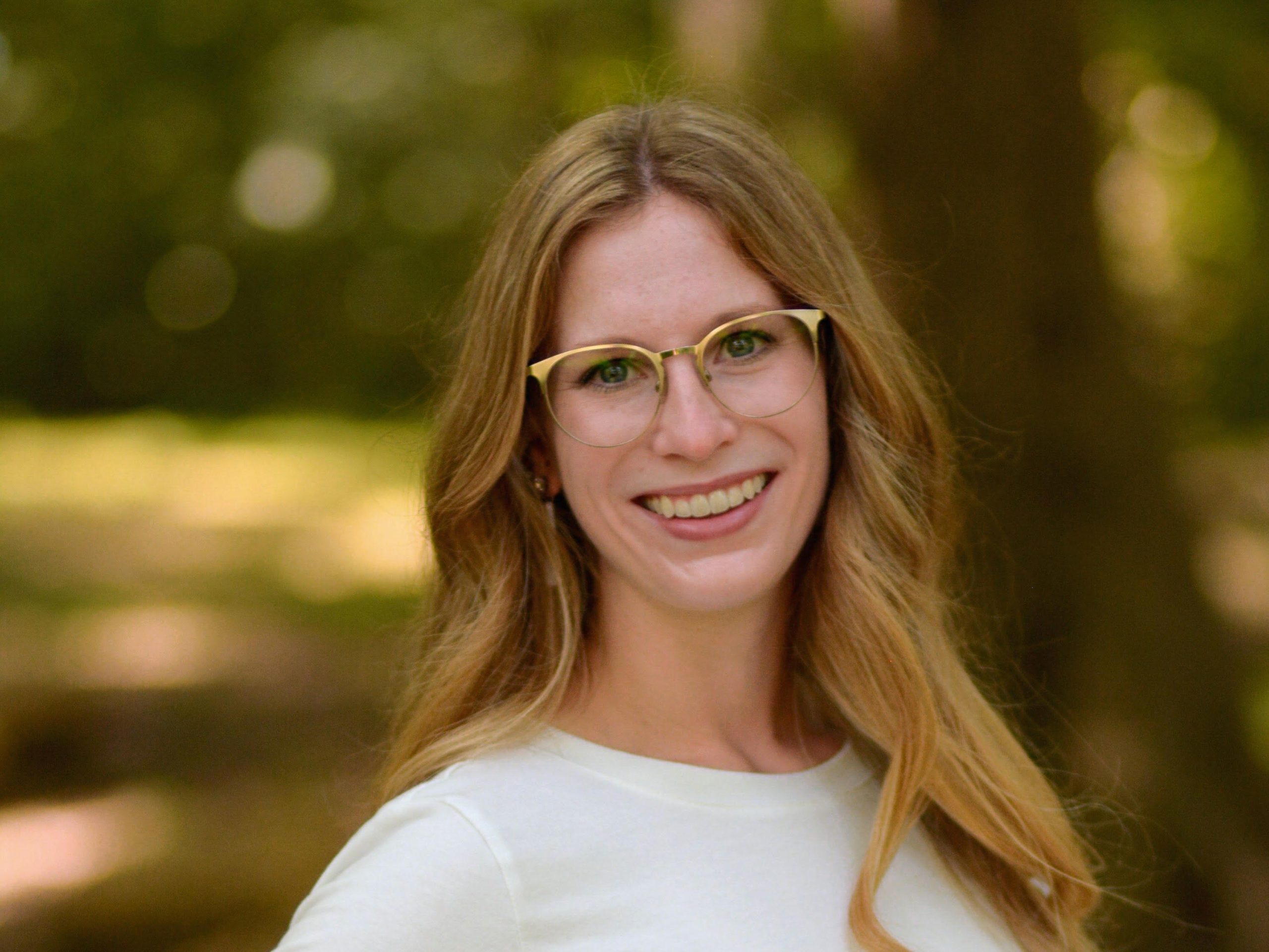
    Lauren Garner
    UT Arlington doctoral student and researcher Lauren Garner. Credit: Photo courtesy UT Arlington

    “What we found was that the lowest performers on the tasks showed less pupil dilation,” Robison said. “For the highest-performing participants, their pupil dilations were both larger overall and the individuals were more discerning about the information they were asked to recall.”

    Experimental Procedure and Results

    For the study, he and Garner recruited 179 undergraduate students at UT Arlington. Participants completed several working memory tasks where they were presented with information and then asked to remember it for a few seconds. During the tasks, participants had their pupils continuously measured using an eye-tracker, similar to what optometrists use during eye exams.

    “We found that people who more intensely and consistently paid attention, as measured by their pupils being dilated more, performed better on the memory tasks,” said Robison. “Importantly, we found high performers also showed more pupil sensitivity compared to low-performing participants. This is exciting research because it adds another valuable piece of the puzzle to our understanding of why working memory varies between individuals.”

    Reference: “Pupillary correlates of individual differences in n-back task performance” by Matthew K. Robison, and Lauren D. Garner, 7 February 2024, Attention, Perception, & Psychophysics.
    DOI: 10.3758/s13414-024-02853-2

    The study was funded by the U.S. Naval Research Laboratory and the U.S. Army Research Institute of Environmental Medicine.

    Never miss a breakthrough: Join the SciTechDaily newsletter.
    Follow us on Google and Google News.

    Cognition Eyes Memory Popular University of Texas at Arlington
    Share. Facebook Twitter Pinterest LinkedIn Email Reddit

    Related Articles

    Mental Time Travel: Scientists Explore the Mysteries of Autobiographical Hypermnesia

    Are Five Senses Holding Us Back? Scientists Say We Could Use Seven

    The Hidden Cost of Face Masks: Study Shows Negative Impact on Cognitive Performance

    What Is Your Earliest Memory? Can Start From the Age of Two-and-a-Half According to New Research

    Your Eyes Can Reveal if You’ve Suffered a Traumatic Experience in the Past

    An Effortless Trick to Improve Learning During Sleep

    To See the Invisible – Scientific Astonishment and Two-Photon Vision

    Fake News Can Lead to False Memories

    Will a New Drug that Boosts Mouse Memory be Alzheimer’s Cure?

    Leave A Reply Cancel Reply

    • Facebook
    • Twitter
    • Pinterest
    • YouTube

    Don't Miss a Discovery

    Subscribe for the Latest in Science & Tech!

    Trending News

    Massive Study Warns Marijuana Use in Teens Is Linked to Serious Mental Illness

    Scientists Discover a Completely Unexpected Way T Cells Kill Cancer

    Scientists Just Found the Solar System’s Original “Planet Factory”

    Study Warns Widely Used Food Preservatives Linked to High Blood Pressure and Heart Disease

    New Treatment Could Reverse Osteoarthritis Within Weeks

    Physicists Have Measured “Negative Time” in Bizarre Quantum Experiment

    The Deadly Tapeworm Spreading Across America Has Reached the Pacific Northwest

    Could Low Vitamin D Be Making Your Pain Worse?

    Follow SciTechDaily
    • Facebook
    • Twitter
    • YouTube
    • Pinterest
    • Newsletter
    • RSS
    SciTech News
    • Biology News
    • Chemistry News
    • Earth News
    • Health News
    • Physics News
    • Science News
    • Space News
    • Technology News
    Recent Posts
    • Scientists Discover Mysterious Creature Living in the Great Salt Lake – and It Exists Nowhere Else on Earth
    • It’s Alive? Surprising Discovery Changes What We Know About Fog
    • Simple Family Routines May Be the Secret to a Smoother Start at School
    • Brain Study Overturns Long-Held Beliefs About How Humans Learn Speech
    • Ancient Goose Fossil Challenges Long-Held Theories About New Zealand Birds
    Copyright © 1998 - 2026 SciTechDaily. All Rights Reserved.
    • Science News
    • About
    • Contact
    • Editorial Board
    • Privacy Policy
    • Terms of Use

    Type above and press Enter to search. Press Esc to cancel.