
The discovery of a new pāua species in Aotearoa showcases the importance of biodiversity research, emphasizing its role in conservation and innovation. Researchers hope it will inspire greater public awareness of marine biodiversity.
The discovery and naming of a new pāua species underscores the vital role of biodiversity research in Aotearoa.
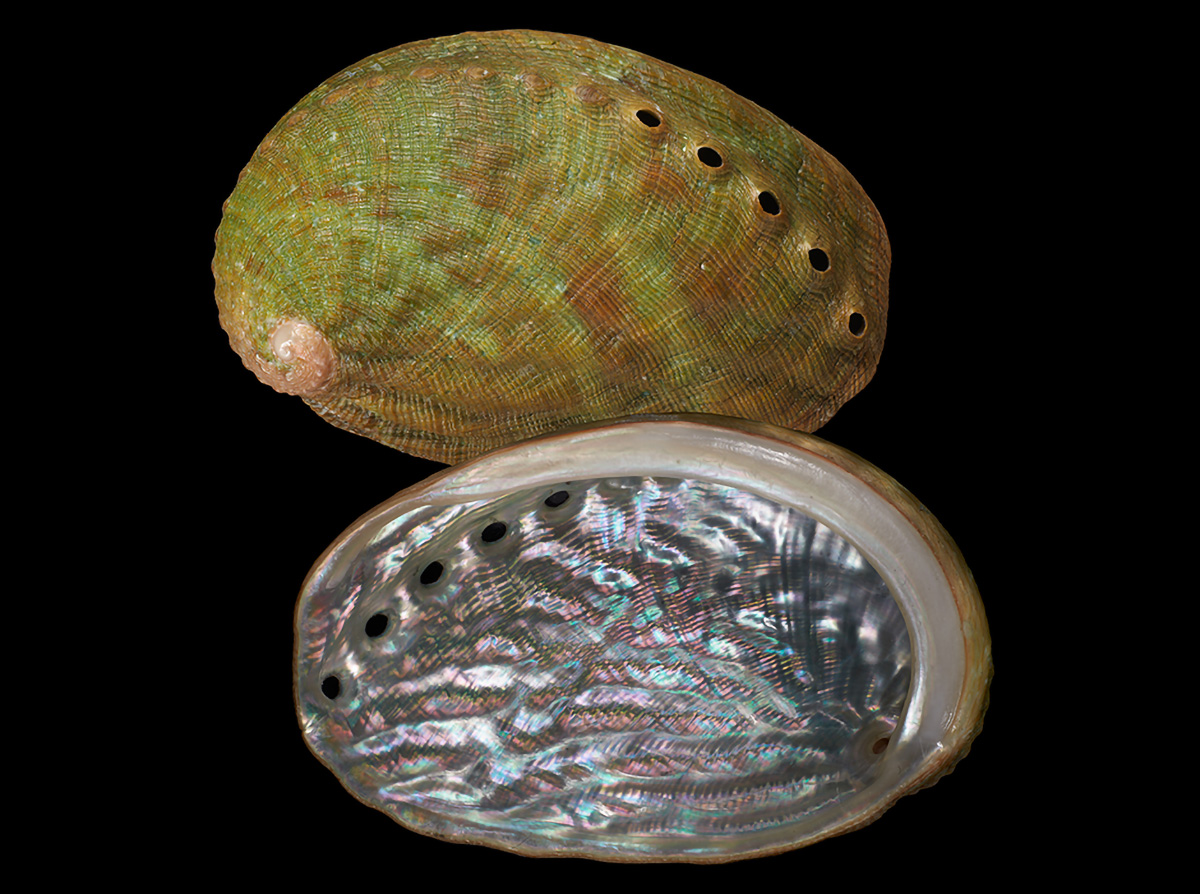
Described in a study led by the University of Otago – Ōtākou Whakaihu Waka and the Museum of New Zealand Te Papa Tongarewa, the species, Haliotis pirimoana, is only found at Manawatāwhi Three Kings Islands, off the northern North Island.
Lead author Kerry Walton, an invertebrate curator at Te Papa who is undertaking his PhD in the Department of Zoology, says this is one of many species that are only found on Manawatāwhi.
“We are facing a biodiversity crisis. Species around the world are going extinct faster than we can discover and describe them,” he says.
“The Manawatāwhi pāua may not be facing any short-term threats to its survival but it is another indicator of how unique and important that region of Aotearoa is.”
Haliotis pirimoana resembles other small pāua from the North Island but the shell has finer sculpture across its back and a subtly different shape.
Distinguishing Features of Haliotis Pirimoana
Published in the international peer-reviewed journal Molluscan Research, the study aimed to understand how many species of small pāua there are in the country.
To do this, the research team, including the Otago Department of Zoology’s Associate Professor Nic Rawlence and Professor Hamish Spencer, and Dr Bruce Marshall from Te Papa, applied new “ancient DNA” methods to shells from the collections at Te Papa and NIWA.
“These new methods allow short and damaged fragments of DNA to be extracted and sequenced with far greater efficiency than previous methods, unlocking the genetic secrets trapped in these precious specimens,” Associate Professor Rawlence says.
People can now more confidently discuss and interpret relationships between the different forms and populations of small pāua in Aotearoa, he says.
Professor Spencer says that biodiversity is critical, and effective resource and conservation management relies on having a robust underlying understanding of it.
“We need to know what species are restricted to a region and how they might respond to change. This allows decision-makers to identify vulnerabilities and best manage resourcing,” he says.
The Broader Importance of Biodiversity Research
Mr Walton says while most species will not yield commercial applications, such as the next big pharmaceutical, people depend on biodiversity for new materials and medicines.
“Research in these areas is underpinned by biodiversity research, and it is our responsibility to protect biodiversity for future generations.”
While there is a decent level of understanding of biodiversity in Aotearoa, new species are still being discovered and more than a third of our known marine mollusk species are yet to be named.
“With pāua being the cultural icon that they are, we hope this work will raise a few eyebrows and encourage people to look more closely the next time they are at the coast.”
Reference: “Haliotis virginea Gmelin, 1791 and a new abalone from Aotearoa New Zealand (Mollusca: Gastropoda: Haliotidae)” by Kerry Walton, Bruce A. Marshall, Nicolas J. Rawlence and Hamish G. Spencer, 30 August 2024, Molluscan Research.
DOI: 10.1080/13235818.2024.2390476
Never miss a breakthrough: Join the SciTechDaily newsletter.
Follow us on Google and Google News.
2 Comments
They’re not new at all I came across this pink paua/abalone over twenty years ago while scuba diving in the northern reaches of doubtless bay.
The glory goes to the person who first publishes a description in a journal.