
Close Menu
    Facebook X (Twitter) Instagram
    SciTechDaily
    • Biology
    • Chemistry
    • Earth
    • Health
    • Physics
    • Science
    • Space
    • Technology
    Facebook X (Twitter) Pinterest YouTube RSS
    SciTechDaily
    Home»Health»Scientists Discover Surprising Eye Benefit of Widely Used Diabetes Drug
    Health

    Scientists Discover Surprising Eye Benefit of Widely Used Diabetes Drug

    By University of LiverpoolMarch 17, 2026No Comments4 Mins Read
    Facebook Twitter Pinterest Telegram LinkedIn WhatsApp Email Reddit
    Share
    Facebook Twitter LinkedIn Pinterest Telegram Email Reddit
    Holding Metformin Pill
    A common diabetes medication may offer an unexpected clue in the fight against one of the world’s leading causes of blindness. Researchers studying thousands of retinal images found that people taking metformin were significantly less likely to develop intermediate age-related macular degeneration over several years. Credit: Shutterstock

    Metformin use in people with diabetes was linked to a significantly lower risk of developing intermediate age-related macular degeneration.

    Metformin, a medication widely prescribed to manage diabetes, may also be linked to the slower progression of age-related macular degeneration (AMD), the leading cause of blindness in Western countries.

    Among people with diabetes who were older than 55, those taking metformin had a 37% lower chance of developing intermediate AMD over a five-year period compared with individuals who were not using the medication.

    A major cause of vision loss

    AMD affects the central portion of the retina, known as the macula, located at the back of the eye. As the disease advances, it damages the light-sensitive tissue that allows the eye to detect fine detail. In some cases, this tissue gradually deteriorates (geographic atrophy, a form of ‘dry’ AMD).
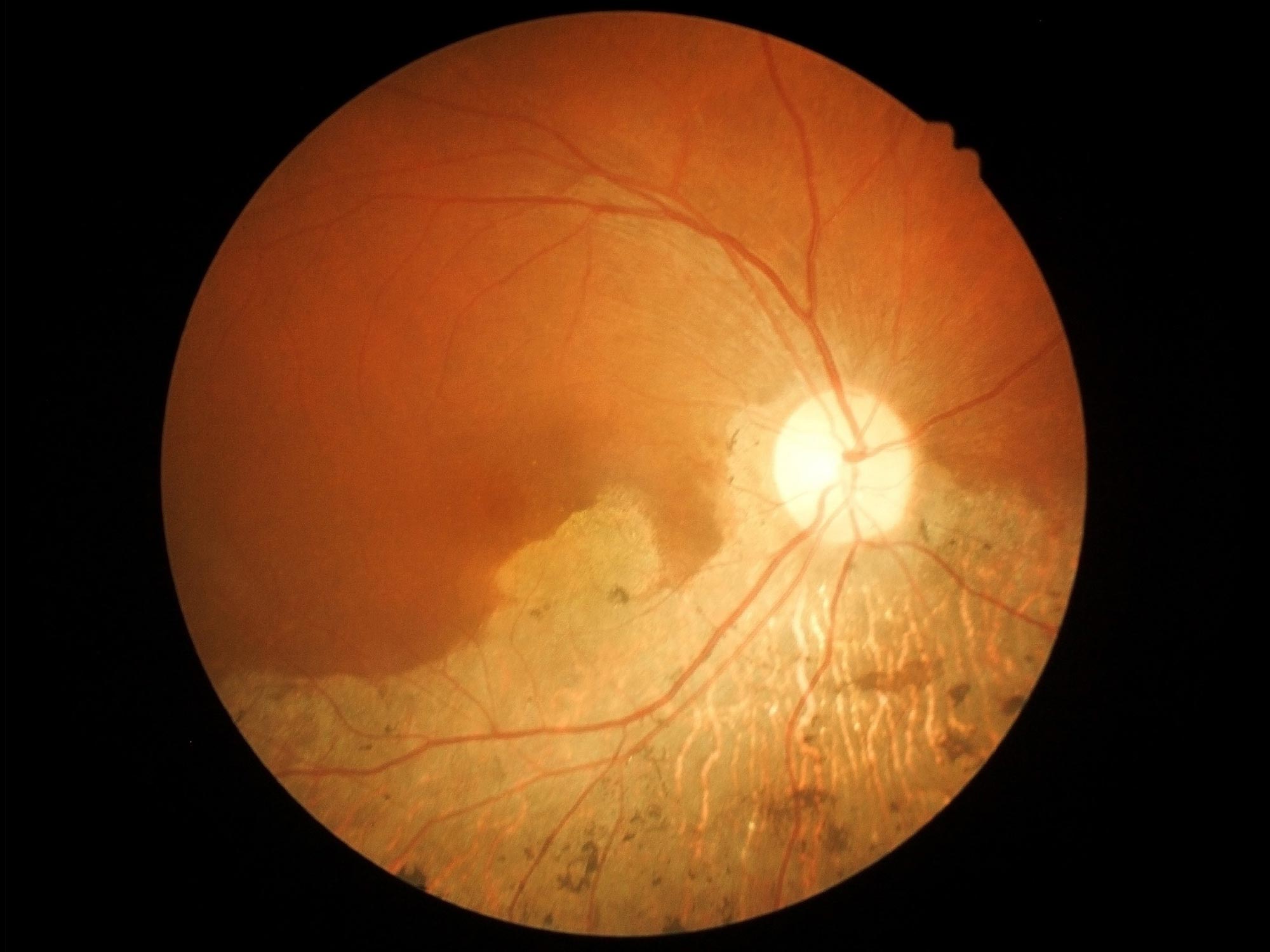
    Age Related Macular Degeneration
    Age-related macular degeneration (AMD) is a progressive eye disease that affects the macula, the central part of the retina responsible for sharp, detailed vision. It primarily occurs in adults over the age of 50 and is one of the leading causes of vision loss in high-income countries. Credit: Stock

    In other cases, abnormal blood vessels develop and damage the retina (‘wet’ AMD). Intermediate and advanced AMD occurs in about 10 to 15 percent of people over the age of 65 (1.1 to 1.8 million people in the UK), and it remains the most common cause of blindness in high-income countries.

    AMD also carries a substantial economic burden. In the UK alone, the condition is estimated to cost £11.1billion each year. Geographic atrophy currently has no approved treatments in the UK or Europe, and therapies available for wet AMD can be difficult for patients because they often require repeated injections directly into the eye.

    Eye screening data reveals protective link

    The University of Liverpool conducted the study using retinal photographs from about 2,000 people who participated in Liverpool’s routine diabetic eye disease screening program over a period of five years. The images were examined to determine whether AMD was present and to measure how advanced the disease had become. The analysis compared participants who were taking metformin with those who were not.

    The investigators also adjusted their analysis to account for factors that might influence the results, including age, sex, and how long a person had lived with diabetes. Over the five-year observation period, the likelihood of developing intermediate AMD in people taking metformin was 0.63 compared with those not taking the medication (95% confidence range 0.43 to 0.92).

    Scientists have previously suggested that metformin might have protective effects against AMD. However, earlier research relied on indirect indicators such as general practitioner diagnostic codes or insurance claim records in the United States. This study is the first to evaluate AMD severity directly by grading retinal photographs.

    Common diabetes drug may protect vision

    Dr Nick Beare, an eye doctor who led this research, says: “Most people who suffer from AMD have no treatment, so this is a great breakthrough in our search for new treatments. What we need to do now is test metformin as a treatment for AMD in a clinical trial. Metformin has the potential to save many people’s sight.”

    Reference: “Metformin and incidence of age-related macular degeneration in people with diabetes: a population-based 5-year case-control study” by Dewi Fathin Romdhoniyyah, Ayesh Alshukri, David G Parry, Simon Harding and Nicholas A V Beare, 2 February 2026, BMJ Open Ophthalmology.
    DOI: 10.1136/bmjophth-2025-002339

    Never miss a breakthrough: Join the SciTechDaily newsletter.
    Follow us on Google and Google News.

    Blind Diabetes Ophthalmology Popular University of Liverpool Vision
    Share. Facebook Twitter Pinterest LinkedIn Email Reddit

    Related Articles

    Global Myopia Crisis: 1 in 3 Kids Now Near-Sighted

    Vision 10,000 Times Better: Gene Therapy Delivers Life-Changing Results

    Effective Myopia Treatment: Eye Drops Slow Nearsightedness Progression in Kids

    Incredible Potential: A New Way To Prevent Common Causes of Vision Loss

    Research Confirms Benefit of Supplements for Slowing Vision Loss From AMD

    FDA-Approved Drug May Help Revive Vision in People With Progressive Blinding Disorders

    Unorthodox “Exercise in a Pill” Could Offer Simple Solution to Those Incapable of Physical Activity

    Significantly Improve Declining Eyesight in Just 3 Minutes a Week

    Increase in Childhood Short-Sightedness May Be Linked to COVID-19 Pandemic

    Leave A Reply Cancel Reply

    • Facebook
    • Twitter
    • Pinterest
    • YouTube

    Don't Miss a Discovery

    Subscribe for the Latest in Science & Tech!

    Trending News

    These Toads Are Surviving a Deadly Fungus – Scientists May Finally Know Why

    These Brain Cells May Explain Why We Eventually Have To Sleep

    Tomatoes Contain an Invisible Ingredient With Surprising Effects on Liver Health

    World’s First Heat-Powered Cooling System Turns Waste Heat Into Cold

    Antarctica Gained a Record 695 Billion Tons of Ice in Just Two Years

    Don’t Miss: A Brilliant Venus and Glowing Harvest Moon Light Up the Sky

    New Twist on the Einstein Problem Reveals Unexpected Physics

    JWST Captures Stunning Evidence of How Supermassive Black Holes Feed

    Follow SciTechDaily
    • Facebook
    • Twitter
    • YouTube
    • Pinterest
    • Newsletter
    • RSS
    SciTech News
    • Biology News
    • Chemistry News
    • Earth News
    • Health News
    • Physics News
    • Science News
    • Space News
    • Technology News
    Recent Posts
    • Cardiac Breakthrough Could Offer Lifesaving Treatment to More Patients
    • Scientists Uncover New Clues Behind the “Suicide Headache” Mystery
    • Depression in Later Life May Be an Early Warning Sign of Alzheimer’s
    • Physicists Find Useful Energy Hiding in Quantum “Waste Heat”
    • Largest-Ever Physics Survey Raises New Doubts About Our Model of the Universe
    Copyright © 1998 - 2026 SciTechDaily. All Rights Reserved.
    • Science News
    • About
    • Contact
    • Editorial Board
    • Privacy Policy
    • Terms of Use

    Type above and press Enter to search. Press Esc to cancel.