

Scientists found a concerning Alzheimer’s link involving glucosamine, a joint supplement used by millions.
A widely used supplement marketed for joint pain relief may be linked to faster progression of Alzheimer’s disease, according to new research from University of Florida scientists.
The study found that people with mild cognitive impairment (MCI) who reported taking glucosamine were more likely to develop dementia than those who did not use the supplement. The findings come from a large analysis of patient records, along with brain imaging studies in both human tissue and mouse models of Alzheimer’s disease.
Although the research does not prove that glucosamine causes dementia and still needs to be confirmed in clinical trials, the results add to growing evidence that disruptions in metabolism may play an important role in neurodegenerative diseases. The study was published June 9 in Nature Metabolism.
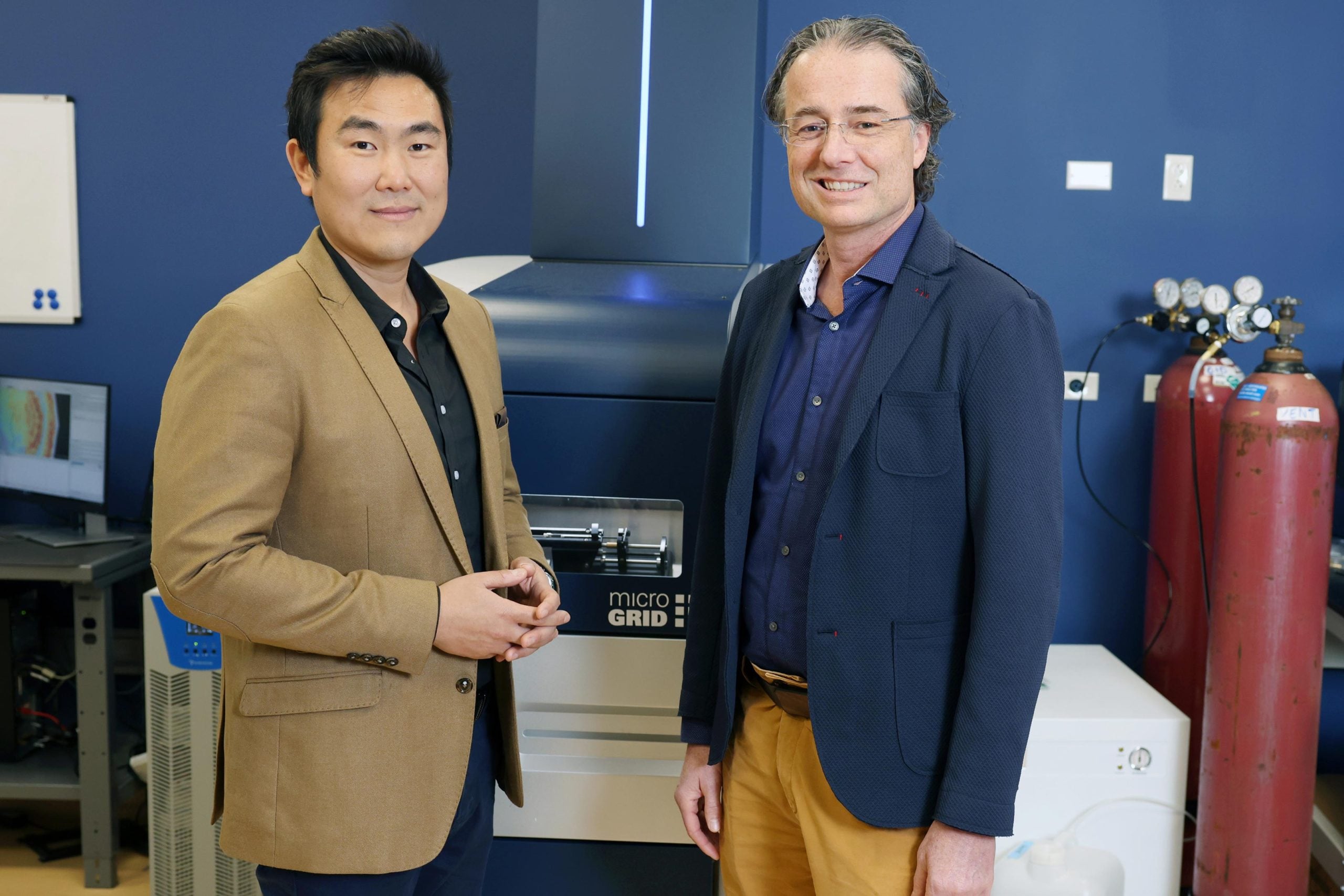
“In the United States, there are about 7 million people living with Alzheimer’s and millions more with related dementias such as Lewy body or frontotemporal dementia,” said senior author Ramon Sun, Ph.D., director of the Center for Advanced Spatial Biomolecule Research and associate director for innovation of UF’s McKnight Brain Institute. “A lot of these people actively take an over-the-counter supplement that could be making their disease progression worse.”
Glucosamine and Dementia Risk
Because glucosamine is widely available and frequently used by older adults to support joint health, researchers wanted to determine whether it might influence Alzheimer’s disease and related dementias (ADRD).
Working with collaborators Yi Guo, Ph.D., and Jiang Bian, Ph.D., the team used artificial intelligence to analyze deidentified UF Health medical records collected between 2012 and 2024. They focused on patients diagnosed with either ADRD or mild cognitive impairment.
The review showed that glucosamine use was common among both groups. Nearly 1,900 patients with ADRD and 2,750 patients with MCI reported taking the supplement, representing about 8% of each group.
After accounting for factors such as age, sex, and demographic differences, the researchers found that glucosamine use was associated with a 25% greater likelihood of progressing from mild cognitive impairment to dementia.
The analysis also revealed that among patients already diagnosed with ADRD, glucosamine use was associated with a 25% increase in mortality risk, meaning a higher likelihood of death within a given period. No similar increase was observed in the MCI group, suggesting the supplement’s effects may be more pronounced once dementia is established.
A Metabolic Pathway in the Alzheimer’s Brain
Beyond the patient data, the researchers identified a metabolic process that may help explain the findings. Their work points to an overactive pathway involved in attaching sugar molecules to proteins, a process that appears heightened in Alzheimer’s disease.
According to Sun, this pathway could become a promising target for future treatments.
“Our results suggest that altered metabolism is a significant contributor to Alzheimer’s progression and, in addition, addressing the metabolic defect could be an important complement to approaches focused on Alzheimer’s plaques and tangles,” Sun said.
The discovery was made possible through advanced spatial analysis technology developed in Sun’s laboratory.
“This technology allows us to examine thousands and thousands of molecules created when the body breaks down food or drugs and to uncover intricate pathways that otherwise would stay hidden,” Sun said.
How Glucosamine May Affect the Brain
Researchers took a closer look at glucosamine because it is a naturally occurring sugar-related molecule capable of crossing the blood-brain barrier. Once in the brain, it can contribute to biological pathways that build complex sugar structures on proteins. Commercial glucosamine supplements are commonly produced from sources such as shellfish shells or corn.
The findings suggest that glucosamine may not affect everyone in the same way. Instead, its impact may depend on the underlying biological environment, with the Alzheimer’s brain appearing especially vulnerable.
“The electronic health record data are very provocative,” said Matt Gentry, Ph.D., chair of UF’s Department of Biochemistry and Molecular Biology and a study co-author. “While it’s an association and not proof of causality, it does raise an important clinical question that now deserves much more attention.”
Mouse and Human Brain Studies Support the Findings
To further investigate the mechanism, the researchers conducted experiments in genetically modified mice. They found that glucosamine significantly increased the attachment of sugar residues to proteins inside cells.
Mice receiving glucosamine also experienced worsening deficits in social memory, which refers to the ability to recognize familiar individuals. When scientists chemically reduced the sugar-attachment process, memory performance improved.
The team then partnered with Stefan Prokop, M.D., to analyze brain samples from the UF Neuromedicine Brain and Tissue Bank. Compared with healthy control samples, Alzheimer’s brain tissue showed substantially higher levels of the same sugar-attachment activity.
Taken together, the findings suggest that this metabolic abnormality may be more than just a byproduct of Alzheimer’s disease. Instead, it could be actively contributing to the progression of the disorder.
“Proteins are the cell’s molecular machines, and many of them need sugar tags added in just the right way to fold correctly, travel to the right place and do their jobs,” Gentry said. “What we found in Alzheimer’s is that this sugar-tagging system appears to be overactive. The Alzheimer’s brain is adding too many of these sugar structures, and this seems to contribute to the disease rather than protect against it.”
Reference: “Hyperglycosylation is a metabolic driver of Alzheimer’s disease” by Tara R. Hawkinson, Zizhen Liu, Roberto A. Ribas, Terrymar Medina, Rikke S. Nielsen, Harrison A. Clarke, Xin Ma, Angela C. Mueller, Adrielle F. Plasencia, Alexander L. Sheer, Samantha T. Simpson, Charles M. Soto, Jessica Sudderth, Feng Cai, Alex R. Cantrell, Matthieu G. Colpaert, Cameron J. Shedlock, Lei Wu, Lyndsay E. A. Young, Damon D. Kooser, Li Chen, Alison M. Ryan, Sadi Quinones, Jihye Son, Parastoo Azadi, Ralph J. Deberardinis, Stefan Prokop, Derek Allison, Shuang Yang, Hongyu Chen, Yu Huang, Xing He, Kimberly M. Alonge, Jingchuan Guo, Yi Guo, Jiang Bian, Craig W. Vander Kooi, Matthew S. Gentry and Ramon C. Sun, 9 June 2026, Nature Metabolism.
DOI: 10.1038/s42255-026-01538-4
Never miss a breakthrough: Join the SciTechDaily newsletter.
Follow us on Google and Google News.