
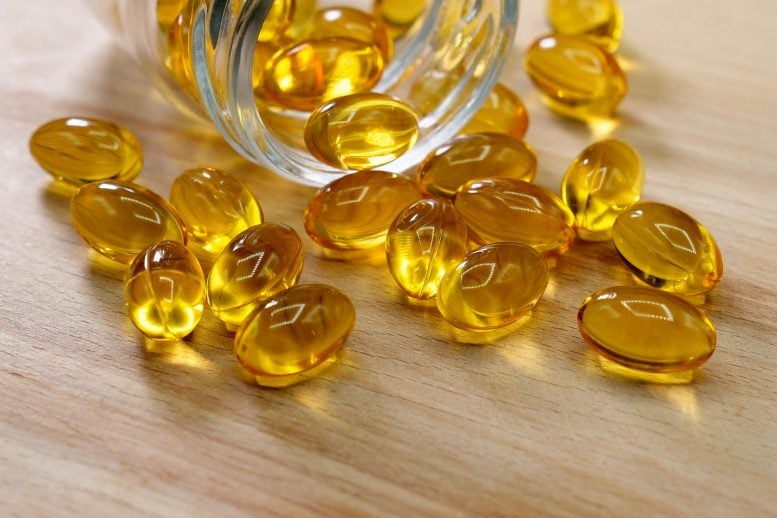
Study indicates that EPA and DHA supplementation reduces multiple types of cardiovascular risk, according to Mayo Clinic Proceedings.
A new study published in Mayo Clinic Proceedings provides the most comprehensive analysis of the role of omega-3 dosage on cardiovascular prevention to date. The meta-analysis, which is an in-depth review of 40 clinical trials, provides authoritative evidence for consuming more EPA (eicosapentaenoic acid) and DHA (docosahexaenoic acid) omega-3 fats.
The research concludes that EPA and DHA omega-3 intake is associated with a reduced risk of coronary heart disease (CHD) events, the cause of 7.4 million deaths globally each year, and reduced risk of myocardial infarction (heart attack), including fatal heart attack.
Specifically, the study found that EPA+DHA supplementation is associated with a statistically significant reduced risk of:
- Fatal myocardial infarction (35 percent)
- Myocardial infarction (13 percent)
- CHD events (10 percent)
- CHD mortality (9 percent)
“The study supports the notion that EPA and DHA intake contributes to cardioprotection, and that whatever patients are getting through the diet, they likely need more,” said Carl “Chip” Lavie, MD, a cardiologist at Ochsner Health in New Orleans, LA, USA, and one of the study authors.
Cardiovascular benefits appear to increase with dosage. The researchers found that adding an extra 1000 mg of EPA and DHA per day decreased the risk of cardiovascular disease and heart attack even more: risk of cardiovascular disease events decreased by 5.8 percent and risk for heart attack decreased by 9.0 percent. The study looked at dosages of up to 5500 mg/day.
This research corroborates the results of an earlier meta-analysis from Harvard School of Public Health, published in the fall 2019, that looked at EPA and DHA dosage using the 13 largest clinical studies. This new paper encompasses more than triple the number of studies, which represents the totality of the evidence to date and includes more than 135,000 study participants.
“When separate analyses arrive at similar results, that’s not only validating; it also underscores the science base needed to inform future intake recommendations,” said co-author Aldo Bernasconi, Ph.D., Vice President of Data Science for the Global Organization for EPA and DHA Omega-3s (GOED), Salt Lake City, UT, USA, which commissioned this study. “Because this paper included more studies and all dosages, the estimates for a dose-response are more precise and the conclusions stronger.”
EPA and DHA omega-3s are long-chain, marine-based fatty acids. Eating fish, particularly fatty fish such as salmon, anchovies and sardines, is the optimal way to get EPA and DHA omega-3s, since fish also provides other beneficial nutrients. However, most people around the world eat much less than the amount of fish recommended, so supplementing with omega-3s helps close the gap.
“People should consider the benefits of omega-3 supplements, at doses of 1000 to 2000 mg per day – far higher than what is typical, even among people who regularly eat fish,” added Dr. Lavie. “Given the safety and diminished potential for interaction with other medications, the positive results of this study strongly suggest omega-3 supplements are a relatively low-cost, high impact way to improve heart health with few associated risks and should be considered as part of a standard preventive treatment for most patients with cardiovascular diseases and those recovering from myocardial infarction.”
Reference: “Effect of Omega-3 Dosage on Cardiovascular Outcomes: An Updated Meta-Analysis and Meta-Regression of Interventional Trials” by Aldo A. Bernasconi, Ph.D.; Michelle M. Wiest, Ph.D.; Carl J. Lavie, MD; Richard V. Milani, MD; and Jari A. Laukkanen, MD, Ph.D., 17 September 2020, Mayo Clinic Proceedings.
DOI: 10.1016/j.mayocp.2020.08.034
Never miss a breakthrough: Join the SciTechDaily newsletter.
Follow us on Google and Google News.
3 Comments
That’s the good news. The bad news is that studies have shown a potential link between Omega 3 and the chances of developing aggressive prostate cancer
Michael, two recent studies have debunked the ones showing a possible link between Omega 3s and prostate cancer. While I think more studies and a meta-analysis are warranted, considering all of the benefits of Omega 3s, I wouldn’t worry about the mixed data on prostate cancer unless one is already battling it and/or at an especially high risk.
https://swdcmi.com/news/cancer/prostate-cancer/study-confirms-omega-3s-have-no-effect-on-prostate-cancer-risk/
The REDUCE-IT clinical trial showed that EPA alone works; while the STRENGTH clinical trial showed that EPA + DHA does NOT work!! VASCEPA is the EPA only drug that works!!