

According to new research published in the Journal of the American Heart Association, about 3 grams of omega-3 fatty acids per day appears to be the optimal dose for reducing blood pressure. This level can be attained through either consumption of dietary supplements or food.
- While scientific evidence exists that consuming omega-3 fatty acids in food or dietary supplements may reduce the risk of high blood pressure, the optimal amount to consume for this benefit was unclear.
- A review of dozens of studies suggests that about 3 grams daily is likely the optimal amount of omega-3 fatty acids to consume to lower blood pressure.
- Consuming higher amounts of omega-3 fatty acids may be beneficial for people at high risk for developing cardiovascular disease, although more research is needed.

Optimal Omega-3 Dosage for Blood Pressure Control
Approximately 3 grams daily of omega-3 fatty acids, consumed in foods or supplements, appears to be the optimal daily dose to help lower blood pressure, according to a research review published today (June 1, 2022) in the Journal of the American Heart Association, an open access, peer-reviewed journal of the American Heart Association.
Omega-3 fatty acids docosahexaenoic acid (DHA) and eicosapentaenoic acid (EPA) are typically found in fatty fish, such as salmon, sardines, tuna, trout, herring, and oysters. Some people also take combined DHA and EPA in dietary supplements. While some studies suggest that consumption of omega-3 fatty acids may lower blood pressure, the optimal dosage needed to lower blood pressure has not been clear. The National Institutes of Health has established an adequate intake of omega-3 fatty acids for healthy people at 1.1- 1.6 grams daily, depending on age and sex.
“According to our research, the average adult may have a modest blood pressure reduction from consuming about 3 grams a day of these fatty acids,” said study author Xinzhi Li, M.D., Ph.D., assistant professor and program director of the School of Pharmacy at Macau University of Science and Technology in Macau, China.
Researchers analyzed the results of 71 clinical trials from around the world published from 1987 to 2020. The studies examined the relationship between blood pressure and the omega-3 fatty acids DHA and EPA (either individually or combined) in people aged 18 and older with or without high blood pressure or cholesterol disorders. There were nearly 5,000 participants combined, ranging in age from 22 to 86 years. Participants took dietary and/or prescription supplement sources of fatty acids for an average of 10 weeks.
The analysis found:
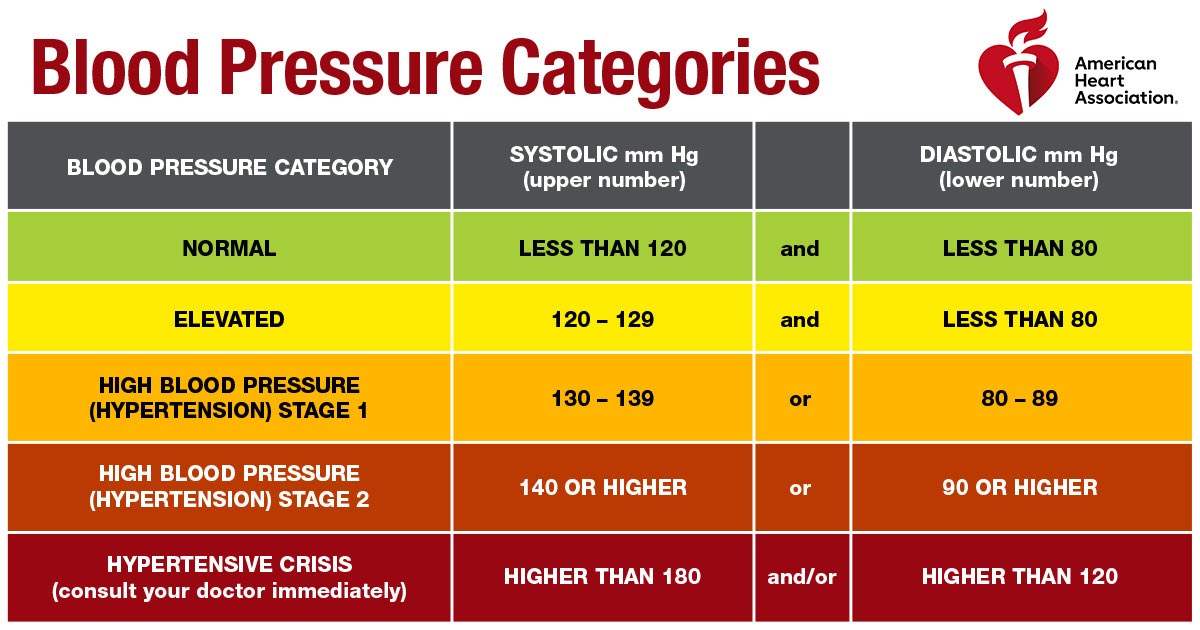
- Compared to adults who did not consume EPA and DHA, those who consumed between 2 and 3 grams daily of combined DHA and EPA omega-3 fatty acids (in supplements, food or both) had reduced systolic (top number) and diastolic (bottom number) blood pressure by an average 2 mm Hg.
- Consuming more than 3 grams of omega-3 fatty acids daily may have added blood pressure-lowering benefit for adults with high blood pressure or high blood lipids:
- At 3 grams a day of omega-3s, systolic blood pressure (SBP) decreased an average of 4.5 mm Hg for those with hypertension, and about 2 mm Hg on average for those without.
- At 5 grams a day of omega-3s, SBP declined an average of nearly 4 mm Hg for those with hypertension and less than 1 mm Hg on average for those without.
- Similar differences were seen in people with high blood lipids and among those older than age 45.
About 4-5 ounces of Atlantic salmon provide 3 grams of omega-3 fatty acids. A typical fish oil supplement contains about 300 mg of omega-3s per pill, but doses vary widely.
“Most of the studies reported on fish oil supplements rather than on EPA and DHA omega-3s consumed in food, which suggests supplements may be an alternative for those who cannot eat fatty fish such as salmon regularly,” Li said. “Algae supplements with EPA and DHA fatty acids are also an option for people who do not consume fish or other animal products.”
FDA Guidance and Study Limitations
The U.S. Food and Drug Administration (FDA) announced in June 2019 that it did not object to the use of certain health claims that consuming EPA and DHA omega-3 fatty acids in food or dietary supplements may reduce the risk of hypertension and coronary heart disease. However, they noted that the evidence was inconclusive and highly inconsistent.
“Our study supports the FDA guidance that EPA and DHA omega-3 fatty acids may reduce the risk of coronary heart disease by lowering high blood pressure, especially among people already diagnosed with hypertension,” he said. “However, while our study may add a layer of credible evidence, it does not meet the threshold to make an authorized health claim for omega-3 fatty acids in compliance with FDA regulations.”
Limitations of the review include differences in how blood pressure was measured, and whether the studies examined omega-3 intake from supplements or diet, which may affect the strength of the conclusions.
The American Heart Association recommends eating two servings (3-4 ounces cooked) of fish per week (particularly fatty fish such as salmon) as part of a heart-healthy diet.
Reference: “Omega-3 Polyunsaturated Fatty Acids Intake and Blood Pressure: A Dose-Response Meta-Analysis of Randomized Controlled Trials” by Xin Zhang, Jennifer A. Ritonja, Na Zhou, Bingshu E. Chen and Xinzhi Li, 1 June 2022, Journal of the American Heart Association.
DOI: 10.1161/JAHA.121.025071
Co-authors are Xin Zhang, Ph.D.; Jennifer A. Ritonja, Ph.D.; Na Zhou, Ph.D.; and Bingshu E. Chen, Ph.D. Authors’ disclosures are listed in the manuscript.
The study was funded by the Macau Science and Technology Development Fund and Faculty Research Grants of Macau University of Science and Technology.
Never miss a breakthrough: Join the SciTechDaily newsletter.
Follow us on Google and Google News.
1 Comment
Sacha inchi seeds have 4800 mg omega 3 per ounce. Very good source.