
Lower vitamin C levels were linked to reduced brain volume and weaker neural connectivity in older adults, suggesting a potential connection between nutrition and brain health.
Could a common vitamin help preserve the brain as we age?
A new study of more than 2,000 older adults in Japan found that people with lower levels of vitamin C in their blood tended to have less gray matter and weaker connectivity within a key brain network linked to memory and attention. The findings, published in PLOS One by researchers led by Haruka Nagaya of Hirosaki University, add to growing evidence that nutrition may be tied to brain health in later life.
Vitamin C is best known for supporting immune function, but it also acts as a powerful antioxidant and plays important roles in protecting nerve cells from oxidative stress. Previous studies have suggested that diets rich in vitamin C are associated with a lower risk of cognitive impairment in older adults. However, few studies have directly examined whether vitamin C levels circulating in the blood are related to measurable differences in brain structure and communication between brain regions.
To investigate, the researchers analyzed magnetic resonance imaging (MRI) scans and blood plasma samples from 2,044 Japanese adults aged 64 and older. They measured the volume of gray and white matter throughout the brain while accounting for differences in overall brain size.
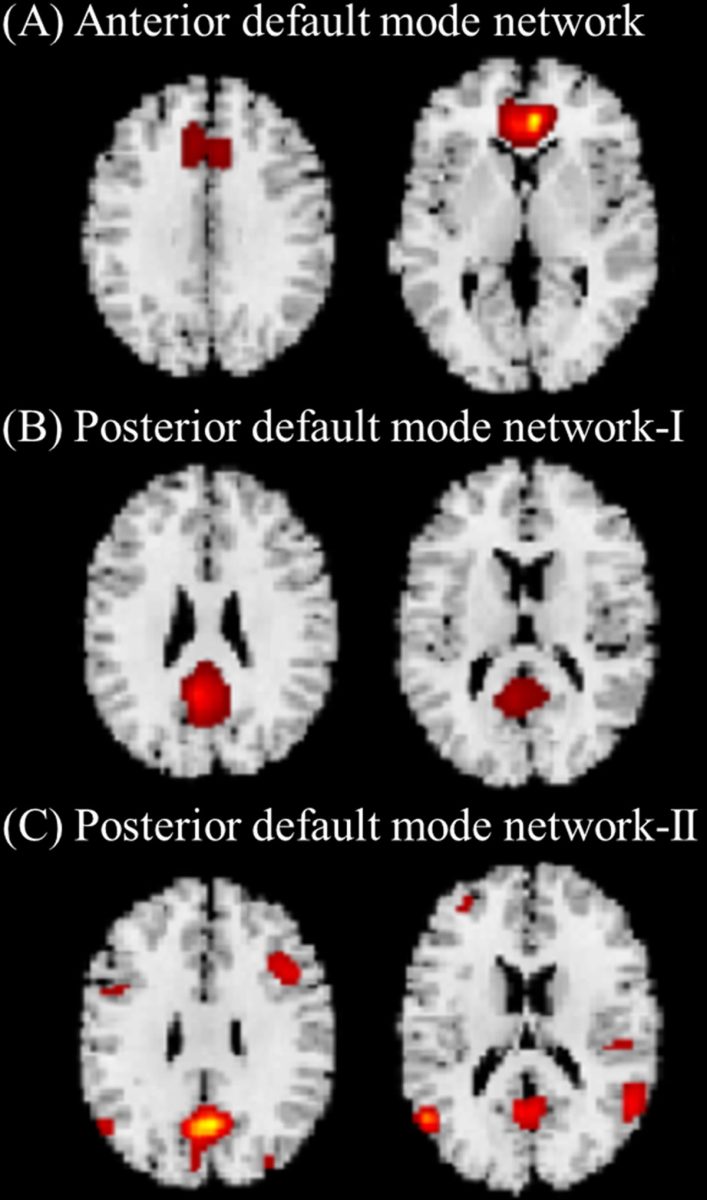
The team also examined connectivity within the default mode network, a collection of interconnected brain regions that remains active during internally focused thought and is involved in functions such as memory, self-reflection, and attention.
Lower Vitamin C Associated With Reduced Gray Matter and DMN Connectivity
After adjusting for factors that can influence brain health, including age, physical activity, and education level, the researchers found that participants with lower plasma vitamin C levels generally had less gray matter and weaker connectivity within the default mode network.
The results raise the possibility that maintaining healthy vitamin C levels could help support cognitive function and reduce age-related cognitive decline. However, the study does not establish a cause-and-effect relationship between vitamin C and brain health. Additional research will be needed to clarify the biological processes behind these associations.
The researchers also suggest future studies should track vitamin C levels over longer periods, consider a broader range of lifestyle and dietary factors, and include participants from more diverse ethnic and socioeconomic backgrounds.
Default Mode Network Findings and Cognitive Health Implications
Tomohiro Shintaku adds, “Our study demonstrates that higher plasma vitamin C levels are associated with better preserved structural connectivity of the default mode network (DMN), a key brain network involved in cognitive function. This finding generates the exciting hypothesis that a diet rich in vitamin C might play a supportive role in maintaining brain health and mitigating age-related cognitive decline in older adults.”
“What I found most fascinating about this research is that we were able to detect these subtle but significant associations between a single nutritional factor and large-scale brain networks by utilizing a robust, community-based cohort of over 2,000 older adults. It truly highlights the potential impact of our everyday dietary habits on our brain structures.”
Reference: “Plasma vitamin C levels are associated with brain structural networks on MRI: A large cohort study” by Haruka Nagaya, Keita Watanabe, Tomohiro Shintaku, Miho Sasaki, Jusei Kudo, Sera Kasai, Yuka Ishimoto, Kana Saito, Shuichi Matsuhashi, Taiki Koshiishi, Mizuki Imura, Amo Ozawa, Saaya Mori, Daisuke Watanabe, Shin Shukunobe, Tatsuro Sasaki, Soichiro Tatsuo, Shinya Kakehata, Tatsuya Mikami, Daichi Kokubu, Yusuke Ushida and Shingo Kakeda, 10 June 2026, PLOS ONE.
DOI: 10.1371/journal.pone.0348504
The funder (KAGOME CO., LTD.) provided support in the form of salaries for authors D.K. and Y.U., but did not have any additional role in the study design, data collection and analysis, decision to publish, or preparation of the manuscript. Additionally, this research was supported by the Japan Agency for Medical Research and Development (AMED) under Grant Numbers JP16dk0207025 and JP21dk0207053.
Never miss a breakthrough: Join the SciTechDaily newsletter.
Follow us on Google and Google News.
2 Comments
Linus Pauling!
More importantly, ascorbic acid (vitamin C) supports capillary function. The symptoms of scurvy, which is caused by vitamin C deficiency, are primarily due to failing capillary function. Capillaries are where nutrients and oxygen from blood vessels supplying tissues are exchanged for waste and carbon dioxide from cellular metabolism. When capillaries malfunction, tissues don’t receive nutrients and oxygen, and waste accumulates. The only experimental treatment to date that showed success at treating dementia and even reversed it in mice experiments targeted capillary function in the brain, though it wasn’t vitamin C.