
Close Menu
    Facebook X (Twitter) Instagram
    SciTechDaily
    • Biology
    • Chemistry
    • Earth
    • Health
    • Physics
    • Science
    • Space
    • Technology
    Facebook X (Twitter) Pinterest YouTube RSS
    SciTechDaily
    Home»Health»mRNA Vaccine Shrinks Deadly Childhood Cancer Tumors by 70%
    Health

    mRNA Vaccine Shrinks Deadly Childhood Cancer Tumors by 70%

    By Royal College of Surgeons in IrelandJune 28, 2026No Comments3 Mins Read
    Facebook Twitter Pinterest Telegram LinkedIn WhatsApp Email Reddit
    Share
    Facebook Twitter LinkedIn Pinterest Telegram Email Reddit
    Brain Cancer Cells Neurons
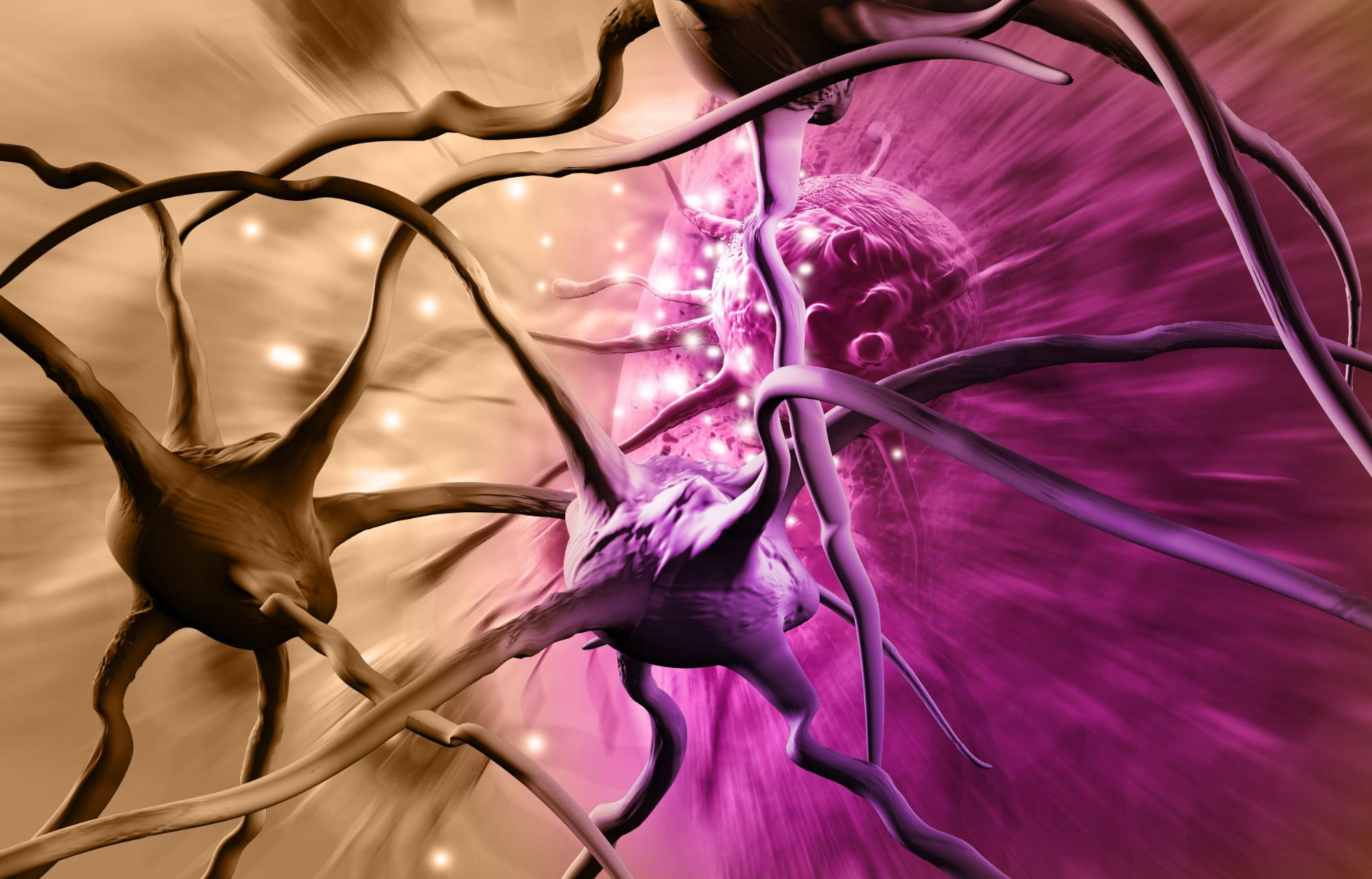
    A new preclinical study suggests an experimental mRNA vaccine could help the immune system fight neuroblastoma, one of the deadliest childhood cancers. Credit: Stock

    An experimental mRNA vaccine delayed neuroblastoma growth and sharply reduced tumor size in preclinical models.

    The success of mRNA vaccines during the COVID-19 pandemic sparked interest in whether the same technology could be harnessed to fight cancer. Researchers at RCSI University of Medicine and Health Sciences have taken an early step toward that goal, reporting the first preclinical evidence that an mRNA vaccine can target neuroblastoma, the deadliest childhood cancer.

    Led by Dr. Olga Piskareva, Senior Lecturer in the RCSI Department of Anatomy and Regenerative Medicine, the team tested an mRNA vaccine delivered using peptide carriers. In preclinical models, the vaccine trained the immune system to recognize and attack neuroblastoma, delaying tumor development by 10 to 11 days and shrinking tumors by 70%.

    Neuroblastoma is an aggressive cancer that develops from immature nerve cells and primarily affects infants and young children. Although treatments have improved over the years, high-risk and recurrent cases remain especially difficult to treat, and the disease is responsible for about 15% of all childhood cancer deaths. In Ireland, five to ten children are diagnosed each year, with roughly 80% of patients failing to respond meaningfully to current therapies.

    Dr. Piskareva commented on the findings: “The mRNA vaccine technology is like LEGO bricks. By combining different bricks, we can tailor the vaccine to the individual needs with high precision. This pilot study indicates promising potential in the development of anticancer vaccines for neuroblastoma, offering new hope for children and families suffering from the disease. We are at the beginning of the mRNA vaccine development road, but the first milestone has been successfully completed”.

    Nanoparticles target cancer cells

    The vaccine was built using a new strategy based on tiny self-assembling particles called peptide nanoparticles. These particles are designed to target Glypican 2 (GPC2), a protein found on the surface of neuroblastoma cells.

    Since GPC2 is also present in several other cancers, the same approach could potentially be adapted for a wider range of tumors, making it a notable step for future cancer immunotherapies.

    Relapse remains the hardest barrier

    When neuroblastoma returns after initial treatment, it is especially difficult to cure because the cancer often becomes resistant to existing therapies. Continued research into new treatment strategies, including the approach shown in this study, could help address that problem and may lead to better outcomes for people affected by neuroblastoma in the future.

    Reference: “mRNA vaccination using peptide nanoparticles triggers a strong immune response against endogenous GPC2 in a murine neuroblastoma model” by Ellen King, Chayanika Saha, Rabia Saleem, Binyumeng Jiang, Eve O’Donoghue, Federica Cottone, Helen O. McCarthy and Olga Piskareva, 18 June 2026, Molecular Therapy Oncology.
    DOI: 10.1016/j.omton.2026.201244

    Never miss a breakthrough: Join the SciTechDaily newsletter.
    Follow us on Google and Google News.

    Cancer MRNA Nanotechnology RCSI Vaccine
    Share. Facebook Twitter Pinterest LinkedIn Email Reddit

    Related Articles

    New Immune Pathway Could Supercharge mRNA Cancer Vaccines

    Scientists Close In on a Universal Cancer Vaccine

    They Changed One Molecule – And Transformed the Future of Vaccines

    Revolutionary mRNA Cancer Vaccine Shows Immense Promise in First-Ever Human Clinical Trial

    New Breast Cancer Treatments Inspired by mRNA COVID-19 Vaccine Innovation

    Bioadhesive Nanoparticles Help Protect Your Skin From the Sun

    Gold Nanoparticles Intensify Cancer-Killing Radiation

    RNA Delivering Nanoparticles Shrink Tumors in Mice

    Custom Tailored Brain Cancer Vaccine Proves Effective

    Leave A Reply Cancel Reply

    • Facebook
    • Twitter
    • Pinterest
    • YouTube

    Don't Miss a Discovery

    Subscribe for the Latest in Science & Tech!

    Trending News

    Nanoscale “Defects” Unlock a Major Heat Transfer Breakthrough

    Adults Taking More Vitamin D Scored 13% Higher on a Cognitive Test

    A 35,000-Year-Old Neanderthal Pelvis May Explain Why Men and Women Walk Differently

    Dual Stem Cell Treatment Restores Vision in First Human Trial

    Your Waist Size May Reveal More About Your Health Than You Think

    Scientists Turn Red Strawberries White With a Single Gene Edit

    A SpaceX Falcon 9 Rocket Hit the Moon and Blasted Open a 60-Foot Crater

    Study Reveals Your Organs May Be Aging at Very Different Speeds

    Follow SciTechDaily
    • Facebook
    • Twitter
    • YouTube
    • Pinterest
    • Newsletter
    • RSS
    SciTech News
    • Biology News
    • Chemistry News
    • Earth News
    • Health News
    • Physics News
    • Science News
    • Space News
    • Technology News
    Recent Posts
    • Quantum Simulators Put a 40-Year-Old Physics Theory to the Test
    • 125-Million-Year-Old Crocodile Fossil Reveals Astonishing New Secrets
    • Scientists Discover an “Impossible” Way Muscle Filaments Can Grow
    • Scientists Discover a Mysterious New Snake Species Hiding in New Guinea
    • Bats Have a Secret Immune System Scientists Have Never Seen in Any Other Mammal
    Copyright © 1998 - 2026 SciTechDaily. All Rights Reserved.
    • Science News
    • About
    • Contact
    • Editorial Board
    • Privacy Policy
    • Terms of Use

    Type above and press Enter to search. Press Esc to cancel.