

For millions of people, caffeine is the chemical switch that starts the day. Yet the dose and the source may determine whether it is largely harmless or risky for the heart.
A new American Heart Association scientific statement concludes that most adults can safely consume up to 400 mg of caffeine a day, roughly the amount in as many as five 8-ounce cups of caffeinated coffee. Moderate coffee consumption may even be associated with a lower risk of several cardiovascular conditions.
That reassurance does not apply equally to every caffeinated product. Energy drinks and energy shots can deliver large, concentrated doses that may sharply raise blood pressure or disturb the heart’s rhythm, according to the statement, “Caffeine and Cardiovascular Disease,” published in the Association’s peer-reviewed journal Circulation.

“Caffeine consumed in coffee is a key part of daily life for millions of people, and in our review of the most recent research, for most adults, intake of up to 400 mg of caffeine/day, the equivalent of up to 5 cups of caffeinated coffee per day without added sugars or fillers, is safe and does not increase cardiovascular risk,” said Gregory M. Marcus, M.D., M.A.S., FAHA, chair of the scientific statement’s volunteer writing group.
“However, high doses of caffeine, such as those found in energy drinks including energy shots, may have harmful effects on the heart and should be avoided.”
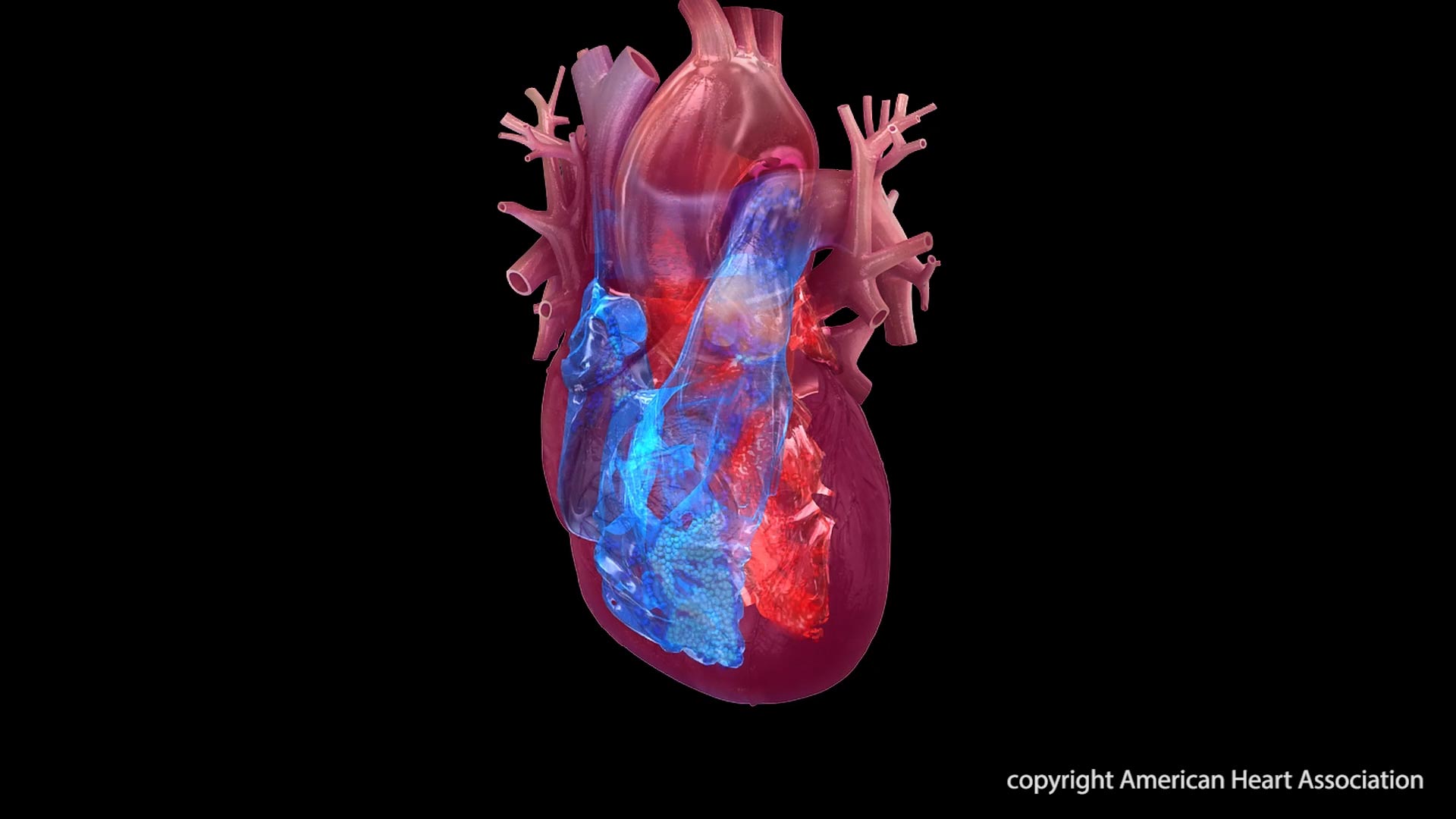
Coffee Is More Than Caffeine
The findings reveal an important complication in caffeine research: most studies are actually studies of coffee. Coffee contains hundreds of chemical compounds, so researchers cannot always determine whether an observed benefit comes from caffeine itself or from other ingredients naturally present in the drink.
Some of those compounds may have antioxidant and anti-inflammatory effects. They could help explain why black coffee is often linked to better cardiovascular and metabolic outcomes even though caffeine can temporarily increase blood pressure, blood sugar, and heart rate.
What people add to coffee creates another layer of uncertainty. Sugar, cream, milk, and flavored syrups can change the drink’s nutritional profile and may offset some of its potential benefits. Most available studies are also observational, which means they can identify patterns but cannot prove that coffee directly caused a particular health outcome.
Hidden Sources of Daily Caffeine
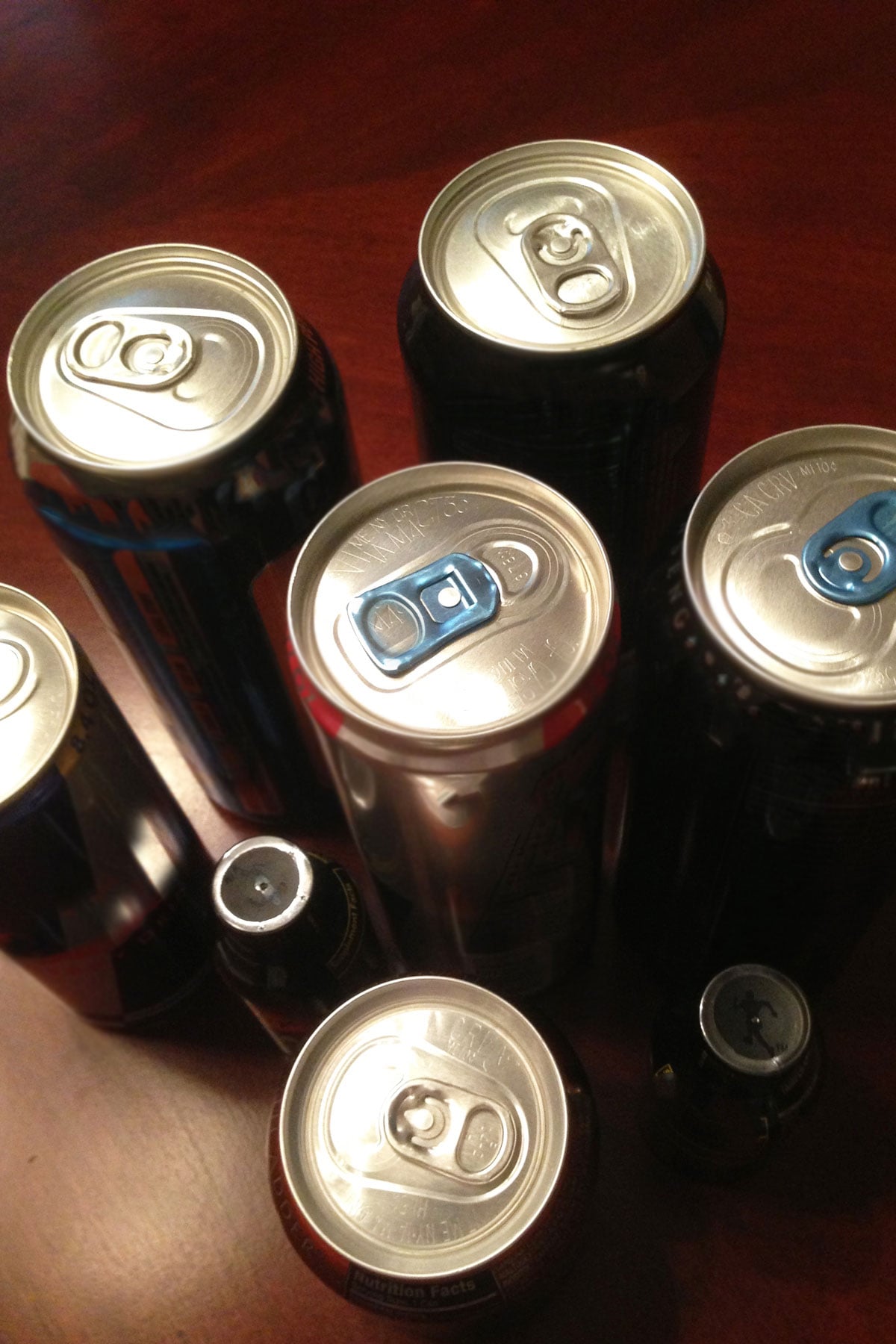
Caffeine also comes from far more than coffee. Tea, chocolate, soda, energy drinks, supplements, and certain over-the-counter and prescription medications can all contribute to a person’s total daily intake. The amount can vary widely between products, and consumers may not always realize how quickly multiple sources add up.
The new statement primarily evaluates caffeinated coffee and its possible relationship with high blood pressure, cholesterol, Type 2 diabetes, coronary heart disease, stroke, heart failure, atrial fibrillation, and other abnormal heart rhythms.
Caffeine and Cardiovascular Health: Key Findings
- For most adults, consuming up to 400 mg of caffeine per day is considered safe. That is approximately the amount in 3 to 5 8-ounce cups of regular black caffeinated coffee (without sugars, sweeteners, flavors, or added fillers). A typical brewed, non-specialty coffee contains about 9.4-20.6 mg of caffeine per fluid ounce.
- Regular consumption of caffeinated coffee without added sugars, cream, or flavorings was associated with a lower risk of type 2 diabetes, heart disease, stroke, heart failure, and certain abnormal heart rhythms.
- Randomized trials, which provide stronger evidence than observational research, found that caffeinated coffee was associated with a lower risk of atrial fibrillation. However, it was also linked to more premature ventricular contractions, which are early beats that begin in the heart’s lower chambers.
- Sugar, flavored syrups, milk, and/or cream may weaken coffee’s potential health advantages. Researchers still need better studies to determine how these additions influence cardiovascular outcomes.
- High caffeine exposure, particularly from energy drinks and energy shots, was associated with cardiovascular harm, including elevated blood pressure and irregular heart rhythms. Energy shots may contain 40-69 mg of caffeine per fluid ounce, roughly 3-4 times the concentration found in regular caffeinated coffee.
Why Caffeine Affects Everyone Differently
Once consumed, caffeine is processed mainly by the liver and typically reaches its highest concentration in the blood within about an hour. Its effects can last much longer, however, depending on how quickly an individual’s body breaks it down.
Genetics, age, metabolism, medications, and habitual caffeine use can all affect that process. Frequent consumers may develop some tolerance, while people who rarely use caffeine may experience pronounced effects from a relatively modest amount.
Short-term responses can include greater alertness and temporary increases in blood pressure, heart rate, and blood sugar. Some people may also experience anxiety, heart palpitations, or difficulty sleeping.

Specific Health Effects of Caffeine
- Effects on blood pressure: Caffeinated coffee may affect blood pressure differently depending on how much a person drinks. Among people who began with optimal blood pressure, consuming 1–3 cups per day was associated with a higher risk of developing high blood pressure, while drinking more than 3 cups was associated with a lower risk. Large caffeine doses (such as those delivered by energy drinks or energy shots) can substantially raise blood pressure, especially in people who already have high blood pressure.
- Effects on Type 2 diabetes: Caffeine may briefly reduce insulin sensitivity, making it harder for the body to respond efficiently to insulin soon after consumption. Over time, however, regularly drinking black, caffeinated coffee (no additives, flavors, or sweeteners) was associated with a lower risk of developing Type 2 diabetes. Compounds other than caffeine may be responsible for some or all of that benefit. More research is needed to distinguish the effects of caffeine from those of coffee’s other components.
- Effects on cholesterol: Randomized clinical trials have linked cafestol, a naturally occurring substance in both caffeinated and decaffeinated coffee, to higher levels of low-density lipoprotein (also known as “bad” cholesterol). Preparation method appears to matter. Cafestol is present in unfiltered coffee (such as espresso, French press, Turkish coffee, or boiled coffee), while paper filters remove much of it. It is also generally absent from instant coffee. Researchers still need to determine which products contain the most cafestol and how strongly regular consumption affects cholesterol.
- Effects on heart rhythm: Recent studies combining health measurements with participants’ self-reported coffee intake found that drinking 1-3 cups of caffeinated coffee per day was not associated with a higher risk of atrial fibrillation or other abnormal rhythms. At the same time, that level of consumption may increase premature ventricular contractions (or PVCs). These extra beats are often harmless, but frequent PVCs can be important in some people. Very high caffeine doses (such as those in caffeinated energy drinks or energy shots) have been linked to abnormal rhythms even among people normally considered at low cardiovascular risk, including healthy adults younger than age 30.
- Effects on heart disease and stroke: Consuming 2-4 cups of caffeinated coffee per day was associated with a lower risk of heart disease, heart failure, and stroke. The apparent benefit did not continue indefinitely, however. Drinking more than 4 cups per day may increase the risk of heart failure.
Why the Source of Caffeine Matters
The researchers cautioned that findings about coffee should not automatically be applied to every caffeine source. Tea, soda, energy drinks, energy shots, supplements, and caffeinated foods contain different ingredients and can deliver caffeine at very different speeds and concentrations.
Tea has been studied less extensively than coffee, but current evidence has linked it to a lower risk of atrial fibrillation, heart failure, and stroke. As with coffee, those associations may involve plant compounds other than caffeine.
Energy drinks, bars, gels, and caffeine-based supplements present a different concern. They often combine caffeine with other stimulants or ingredients that may speed its absorption, intensify its effects, raise blood pressure, or increase cardiovascular risk. Some products can also be consumed rapidly, unlike coffee, which is usually sipped over a longer period.
Why Caffeine Guidelines Remain Uncertain
The writing group called for more randomized controlled trials involving coffee and other caffeinated products. Researchers particularly need to understand why people respond so differently, how caffeine interacts with health conditions and medications, and whether certain products are more dangerous than their caffeine content alone would suggest.
More rigorous research is also needed on energy drinks and other increasingly popular high-caffeine products. Because the available evidence remains insufficient to establish detailed recommendations, caffeine was not included in the Association’s 2026 Dietary Guidance to Improve Cardiovascular Health.
“Although research suggests that caffeine consumption may be associated with certain cardiovascular benefits for some people, it’s important to remember that there is no ‘one-size-fits-all’ strategy for safe caffeine consumption. People can respond very differently to caffeine based on various factors, such as age, medications, underlying health conditions, genetics, and how quickly their bodies metabolize it. What may be a reasonable amount for one person could cause unwanted effects, such as heart palpitations, anxiety, or sleep disruption, in another. That’s why it’s important to pay attention to how your body responds to caffeine and talk with your healthcare team about what is right for you,” Marcus said.
Reference: “Caffeine and Cardiovascular Disease: A Scientific Statement From the American Heart Association” by Gregory M. Marcus, Frank B. Hu, Rob M. van Dam, Marilyn C. Cornelis, Thomas A. Dewland, JungHee Kang, Susanna C. Larsson, Robert L. Page II, Niyati Parekh and on behalf of the American Heart Association Council on Lifestyle and Cardiometabolic Health; Council on Clinical Cardiology; and Stroke Council, 20 July 2026, Circulation.
DOI: 10.1161/CIR.0000000000001454
Never miss a breakthrough: Join the SciTechDaily newsletter.
Follow us on Google and Google News.